Glutathione Peroxidase

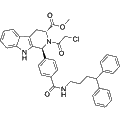
Glutathione peroxidase (GPX) inhibitors and degraders act on selenoenzymes that reduce peroxides. These enzymes use glutathione as the electron donor for peroxide reduction. In 1973 two groups showed that glutathione peroxidase contains selenium, which linked the trace element to antioxidant defense. GPX4 reduces phospholipid hydroperoxides in membranes, and a 2014 study identified it as a central regulator of ferroptotic cell death. ML162 and ML-210 inhibit GPX4, and ML-210 was characterized in 2020 as a masked nitrile oxide that forms a covalent adduct after conversion in cells. NC-R17 and PROTAC GPX4 degrader-1 instead remove the protein by targeted degradation. The list also holds myeloperoxidase inhibitors such as verdiperstat, which act on a different peroxidase.

7 Items

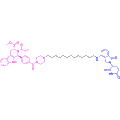
  • PROTAC GPX4 degrader-1
    Cat. No.
    A24726

    PROTAC GPX4 degrader-1

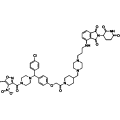
    PROTAC GPX4 degrader-1 functions as a targeted protein degradation agent specifically for GPX4. It exhibits a DC50 of 0.03 μM in HT1080 cells, demonstrating potent activity in promoting the degradation of GPX4. This compound is applicable in research exploring the role of GPX4 in various cellular processes and the therapeutic potentials of targeting antioxidant defenses in disease models.

    1 mg
    $680.00
    5 mg
    $1,750.00
    All 3 sizes
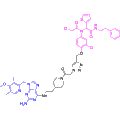
  • NC-R17
    Cat. No.
    A26849

    NC-R17

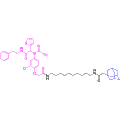
    NC-R17 is a non-covalent degrader targeting Glutathione Peroxidase 4 (GPX4) through the PROTAC mechanism, designed to induce ferroptosis in cancer cells. Exhibiting significant antitumor activity, NC-R17 facilitates the targeted degradation of GPX4, contributing to research in cancer biology and therapeutic strategies. The compound combines a Demethyl-RSL3 ligand for GPX4 with an E3 ubiquitin ligase ligand derived from Lenalidomide, connected by a specific PROTAC linker to enhance its biological activity.

    Out of stock

    All 3 sizes
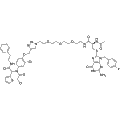
  • GDCNF-11
    Cat. No.
    A26863

    GDCNF-11

    GDCNF-11 is a potent HIM-PROTAC degrader targeting GPX4, utilizing the chaperone protein HSP90 to facilitate degradation. This compound promotes the ubiquitination of GPX4, leading to reduced expression levels, which in turn induces ferroptosis in HT-1080 cells. GDCNF-11 has a DC50 value of 0.08 μM, making it a valuable tool for studying ferroptosis and GPX4-related pathways in various biological research applications.

    Out of stock

    All 3 sizes
  • GPX4-AUTAC
    Cat. No.
    A26869

    GPX4-AUTAC

    GPX4-AUTAC is a GPX4-targeting autophagy-mediated degrader designed to selectively induce degradation of GPX4 through autophagy. By promoting the ubiquitination of GPX4 via E3 ligase TRAF6, it enhances the interaction with p62, facilitating the autophagy-dependent degradation process. GPX4-AUTAC has been shown to significantly induce ferroptosis and exhibit notable anti-cancer activity in breast cancer cells, breast cancer-derived organoids, and in the MDA-MB-231 tumor xenograft model. Additionally, it demonstrates potent synergistic effects when used in combination with drugs such as Sulfasalazine or traditional chemotherapy agents like Paclitaxel or Cisplatin.

    Out of stock

    All 3 sizes
  • GPX4 degrader-1
    Cat. No.
    A26938

    GPX4 degrader-1

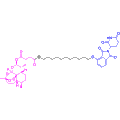
    GPX4 degrader-1 (Compound RS-1) is a hydrophobic tagging (HyT)-mediated degrader specifically targeting GPX4, exhibiting a DC50 value of 8.9 nM in HT1080 cells. This compound effectively induces GPX4 degradation, promoting ferroptosis through the accumulation of lipid reactive oxygen species (ROS). Additionally, GPX4 degrader-1 has shown significant antitumor efficacy in preclinical murine mammary carcinoma models, making it a valuable tool for cancer research and therapeutic study.

    Out of stock

    All 3 sizes
  • PROTAC GPX4 degrader-4
    Cat. No.
    A26947

    PROTAC GPX4 degrader-4

    PROTAC GPX4 degrader-4 selectively targets GPX4, functioning as a PROTAC degrader with a DC50 of 5.32 nM. This compound effectively inhibits the proliferation of RT4, T24, and J82 bladder cancer cell lines, exhibiting IC50 values of 0.09, 2.97, and 7.58 μM, respectively. PROTAC GPX4 degrader-4 promotes the accumulation of lipid reactive oxygen species (ROS) and triggers ferroptosis in T24 and RT4 cells. Additionally, it demonstrates significant antitumor efficacy in a T24 tumor-bearing BALB/c nude mouse model, making it a valuable tool for bladder cancer research.

    Out of stock

    All 3 sizes
  • PROTAC GPX4 degrader-5
    Cat. No.
    A39075

    PROTAC GPX4 degrader-5

    PROTAC GPX4 degrader-5 is a selective degrader targeting GPX4, with a DC50 of 28 nM. This compound effectively induces ferroptosis and enhances reactive oxygen species (ROS) levels while exhibiting low toxicity to normal cells. PROTAC GPX4 degrader-5 demonstrates significant anti-proliferative effects in various tumor cell lines, making it a valuable tool for cancer research.

    Out of stock

    All 3 sizes

7 Items

Added to your cart

View Cart Checkout

    Loading...