
- Cat. No.
- A12469
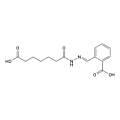
IDE1
IDE1 is a potent cell-permeable definitive endoderm formation inducer (EC50 = 125 nM, ESC) similar to IDE 2.
In stock
View Details
Search by product name, CAS, target or catalog number. Press Down Arrow to reach product suggestions, Tab to move between links, and Escape to close suggestions.
Stem cell reprogramming and differentiation reagents are small molecules that steer cell identity in culture. Chemical cocktails can replace or support transcription factors when somatic cells are reprogrammed into induced pluripotent stem cells (iPSCs). Frequent components include the histone deacetylase (HDAC) inhibitor valproic acid and the lysine-specific demethylase 1 (LSD1) inhibitor tranylcypromine. RepSox blocks the transforming growth factor beta (TGF-β) type I receptor and can replace the transcription factor Sox2. Inhibition of glycogen synthase kinase 3 (GSK-3) with CHIR-99021 and of MAP kinase kinase (MEK) with PD0325901 keeps mouse embryonic stem cells in the ground state. Differentiation protocols use retinoic acid, the Hedgehog pathway agonists SAG and purmorphamine, and IDE1 for definitive endoderm.
IDE1 is a potent cell-permeable definitive endoderm formation inducer (EC50 = 125 nM, ESC) similar to IDE 2.
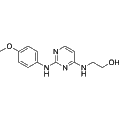
Cardiogenol C is a potent and cell permeable inducer of embryonic stem cell differentiation in cardiomyocytes displaying an Ec50 of 100nm.
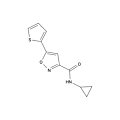
Synonyms: Isoxazole 9
ISX-9 is a small molecule inducer of adult neural stem cell differentiation.
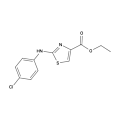
O4I2 is a potent inducers of Oct3/4. O4I2 showed high activity in enforcing Oct3/4 expression. O4I2 is a new class of small molecules suitable for iPSC generation.
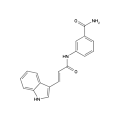
RSC133 is a dual epigenetic modulator that inhibits both histone deacetylases (HDACs) and DNA methyltransferases (DNMTs). It effectively enhances the reprogramming of human somatic cells into induced pluripotent stem cells (iPSCs) and supports the maintenance of pluripotency by promoting an undifferentiated state. RSC133 is a valuable tool for stem cell research and epigenetic reprogramming studies.
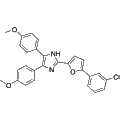
Neurodazine is a neurogenesis inducer that promotes the differentiation of pluripotent cells into neuronal lineages. This compound activates the Wnt and Shh signaling pathways, facilitating neural development and potentially improving neuroregeneration applications. Neurodazine is suitable for research in developmental biology, neuroscience, and regenerative medicine.
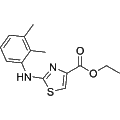
Oct4 inducer-2 is a compound that promotes the expression of endogenous OCT4, facilitating the maintenance and proliferation of human induced pluripotent stem cells (hiPSCs). This inducer is valuable for research applications focused on stem cell biology, regenerative medicine, and anti-aging studies. By enhancing OCT4 levels, Oct4 inducer-2 supports the maintenance of pluripotency, making it an essential tool for scientists investigating cellular reprogramming and differentiation.
Out of stock
All 3 sizes