c-Myc

c-Myc inhibitors act on the MYC transcription factor, a central regulator of cell growth and proliferation. The MYC proto-oncogene protein binds DNA only as a heterodimer with MYC-associated factor X (MAX), a partnership described in 1991. MYC-MAX dimers recognize E-box sequences and regulate genes for ribosome biogenesis, metabolism and cell cycle progression. Amplification, chromosomal translocation or upstream signaling deregulates MYC in many tumor types. Because MYC has no defined ligand-binding pocket, compounds approach it in different ways. 10058-F4, 10074-G5 and MYCi975 are small molecules that interfere with MYC-MAX dimerization. IZCZ-3 is described as a MYC transcription inhibitor that binds a G-quadruplex in the MYC promoter, and related ligands are listed under G-quadruplex.

2 Items

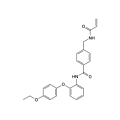
  • EN4
    Cat. No.
    A22421

    EN4

    Synonyms: EN 4,EN-4

    EN4 is a covalent ligand that targets cysteine 171 (C171) of MYC. EN4 is selective for c-MYC over N-MYC and L-MYC. EN4 inhibits MYC transcriptional activity, downregulates MYC targets, and impairs tumorigenesis.

    1 mg
    $25.00
    5 mg
    $65.00
    All 7 sizes
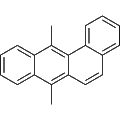
  • DMBA
    Cat. No.
    A53674

    DMBA

    Synonyms: 7,12-DMBA; 7,12-Dimethylbenzanthracene

    DMBA (7,12-Dimethylbenz(a)anthracene) is a potent c-Myc inducer known for its role as a carcinogen due to its polycyclic aromatic hydrocarbon structure. This compound is widely utilized in experimental research to induce tumor formation in rodent models, enabling the study of cancer biology, tumorigenesis, and potential therapeutic interventions. Its application is critical in understanding the mechanisms of cancer development and the role of oncogenes.

    25 mg
    $25.00
    50 mg
    $35.00
    All 5 sizes

2 Items

Added to your cart

View Cart Checkout

    Loading...