NAMPT

NAMPT inhibitors and activators act on nicotinamide phosphoribosyltransferase in the NAD+ salvage pathway. NAMPT converts nicotinamide to nicotinamide mononucleotide, the rate-limiting step in recycling nicotinamide adenine dinucleotide (NAD+). A 2004 study showed that this salvage pathway sustains NAD+ levels and regulates sirtuin deacetylase activity in mammalian cells. FK866, described in 2003 as a noncompetitive NAMPT inhibitor, depletes NAD+ and triggers apoptosis in tumor cell lines. CHS-828, GNE-617 and STF 118804 are further inhibitors, and KPT 9274 inhibits both NAMPT and p21-activated kinase 4 (PAK4). P7C3, P7C3-A20 and SBI-797812 act in the opposite direction, and P7C3 compounds were shown in 2014 to activate NAMPT in studies of neuroprotection.

3 Items

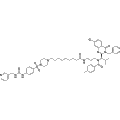
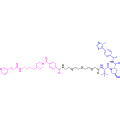
  • Nampt degrader-2
    Cat. No.
    A24662

    Nampt degrader-2

    Nampt degrader-2 is a potent PROTAC designed to target and degrade nicotinamide adenine dinucleotide (NAD+) precursor NAMPT with an IC50 of 41.9 nM. By forming a ternary complex with NAMPT and VHL, it effectively induces degradation through the ubiquitin-proteasome system. This compound significantly reduces NAD+ levels and demonstrates remarkable antitumor activity, making it a valuable tool for cancer research and therapeutic exploration.

    5 mg
    $490.00
    10 mg
    $805.00
    All 4 sizes
  • NAMPT degrader-1
    Cat. No.
    A39703

    NAMPT degrader-1

    NAMPT degrader-1 is an autophagosome-tethering compound (ATTEC) that targets nicotinamide phosphoribosyltransferase (NAMPT) with an IC50 of 0.023 μM. This compound effectively induces the degradation of NAMPT via the autophagy-lysosomal pathway, demonstrating significant antitumor activity in cellular models. NAMPT degrader-1 is valuable for research focused on cancer biology and the regulation of metabolic pathways involving NAD+ synthesis.

    Out of stock

    All 3 sizes
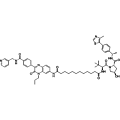
  • LYP-8
    Cat. No.
    A76934

    LYP-8

    LYP-8 is a highly potent NAMPT degrader that achieves up to 97% degradation of NAMPT at a concentration of 0.5 μM in SKOV-3 cells. Its mechanism of action involves selective targeting for degradation, leading to significant anti-cancer effects both in vitro and in vivo. This compound is valuable for research applications focused on the modulation of NAD+ metabolism and the exploration of therapeutic strategies in cancer treatment.

    5 mg
    $655.00
    10 mg
    $1,075.00
    All 3 sizes

3 Items

Added to your cart

View Cart Checkout

    Loading...