HDAC

Histone deacetylase (HDAC) inhibitors block enzymes that remove acetyl groups from histones and other proteins. Deacetylation compacts chromatin and generally represses transcription, so HDAC inhibitors are widely used to study gene regulation. Trichostatin A was characterized in 1990 as a specific inhibitor of mammalian histone deacetylase. The first mammalian HDAC was cloned in 1996 and found to be related to the yeast transcriptional regulator Rpd3p. Isoform-selective tools include entinostat for HDAC1 and HDAC3, and Tubastatin A HCl for HDAC6, a microtubule-associated deacetylase. Broad-spectrum hydroxamates such as vorinostat and panobinostat, together with the cyclic depsipeptide romidepsin, complete the range.

2 Items

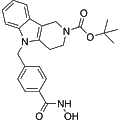
  • HDAC-IN-90
    Cat. No.
    A26413

    HDAC-IN-90

    HDAC-IN-90 is a potent ligand for histone deacetylases HDAC6 and HDAC10. This compound exhibits selective inhibition, making it a valuable tool in the study of epigenetic regulation and cellular signaling pathways. It is particularly useful for the synthesis of PROTAC HDAC degrader-2, facilitating targeted degradation of HDAC proteins for research applications related to cancer and neurodegenerative diseases.

    Out of stock

    All 3 sizes
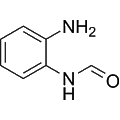
  • HDAC ligand-1
    Cat. No.
    A26544

    HDAC ligand-1

    HDAC Ligand-1 is a selective histone deacetylase (HDAC) ligand that serves as a valuable building block for the synthesis of PROTAC HDAC degraders. This compound can facilitate the development of innovative therapeutic agents targeting HDAC enzymes, enhancing the understanding of their role in various biological processes. Its applications extend to cancer research and epigenetic studies, providing insights into the modulation of gene expression and cellular behavior.

    25 mg
    $1,275.00
    50 mg
    $1,625.00
    All 3 sizes

2 Items

Added to your cart

View Cart Checkout

    Loading...