MHC

Major histocompatibility complex (MHC) research products include peptide antigens that MHC molecules present to T cells. Class I molecules display peptides from cytosolic proteins to cytotoxic T cells, whereas class II molecules present to helper T cells. In 1974 virus-specific T cell killing was shown to require a shared MHC haplotype, known as MHC restriction. The 1987 crystal structure of human leukocyte antigen A2 (HLA-A2) revealed a peptide-binding groove between two α-helices. The chicken ovalbumin (OVA) epitope SIINFEKL is offered as OVA Peptide(257-264) TFA, a trifluoroacetate salt. It binds the mouse class I molecule H-2Kb and is used to stimulate ovalbumin-specific cytotoxic T cells. OVA (55-62) is a second ovalbumin peptide presented by H-2Kb in mouse T cell studies.

3 Items

  • MOG (35-55), human
    Cat. No.
    A65020

    MOG (35-55), human

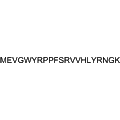
    MOG (35-55), human is a peptide derived from myelin oligodendrocyte glycoprotein, primarily functioning as an EAE inducer. This peptide possesses unique immunogenic properties as it binds to H-2b class II MHC and is recognized by T cells, facilitating the study of autoimmune responses in the central nervous system. Although it is associated with minimal clinical signs of experimental autoimmune encephalomyelitis compared to its rodent counterpart, mMOG (35-55), it is crucial for understanding the mechanisms of demyelination and neuroinflammation. Research applications include model development for multiple sclerosis and the exploration of T cell activation in autoimmune diseases.

    1 mg
    $95.00
    5 mg
    $245.00
    All 3 sizes
  • Immunoproteasome activator 1
    Cat. No.
    A77318

    Immunoproteasome activator 1

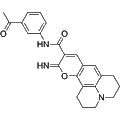
    Immunoproteasome Activator 1 is a selective activator of the immunoproteasome that enhances the presentation of MHC-I-bound peptides by over 100-fold. This compound functions by binding to the proteasome structural subunit PSMA1, facilitating the association of the proteasome activator PA28α/β (PSME1/PSME2) with immunoproteasomes. Its significant biological activity makes it valuable for research focused on immune response modulation and antigen processing.

    1 mg
    $265.00
    All 1 sizes
  • Glatiramer acetate
    Cat. No.
    B18104

    Glatiramer acetate

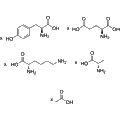
    Glatiramer acetate is a synthetic analogue of myelin basic protein that functions primarily as an immune modulator for the treatment of multiple sclerosis. Its mechanism involves inhibiting experimental autoimmune encephalomyelitis (EAE) by competing with myelin antigens for binding to MHC molecules, which subsequently modulates T cell response. Additionally, glatiramer acetate promotes the induction of T helper 2 (Th2) cells, which migrate to the central nervous system and facilitate localized immunosuppression. This compound serves as a valuable tool for research into autoimmune disorders and therapeutics for multiple sclerosis.

    2 mg
    $30.00
    5 mg
    $50.00
    All 6 sizes

3 Items

Added to your cart

View Cart Checkout

    Loading...