Nitric Oxide Signaling (NOS)

Nitric oxide synthase (NOS) inhibitors and related tools act on the enzymes that make nitric oxide from L-arginine. NOS was first isolated from rat brain in 1990 and shown to require calmodulin for its activity. Three isoforms exist, neuronal, endothelial and inducible NOS (iNOS), the last expressed mainly in activated immune cells. 1400W dihydrochloride, described in 1997 as a slow, tight-binding iNOS inhibitor, and GW274150 are used for isoform-selective studies. L-NIO dihydrochloride is an arginine analog that inhibits several isoforms. Asymmetric dimethylarginine is an endogenous NOS inhibitor that accumulates in chronic renal failure. 2,4-Diamino-6-hydroxypyrimidine blocks GTP cyclohydrolase I, which limits synthesis of the NOS cofactor tetrahydrobiopterin.

5 Items

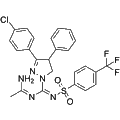
  • (Rac)-Zevaquenabant
    Cat. No.
    A59302

    (Rac)-Zevaquenabant

    Synonyms: (Rac)-MRI-1867

    (Rac)-Zevaquenabant is a potent cannabinoid receptor type 1 (CB1R) and iNOS antagonist, exhibiting a Ki value of 5.7 nM for CB1R. This compound is primarily utilized in studies related to liver fibrosis, providing valuable insights into its pathophysiology and potential therapeutic interventions. Its selective inhibition of CB1R and iNOS pathways makes it a significant tool for investigating cannabinoid signaling and its implications in fibrotic diseases.

    5 mg
    $245.00
    10 mg
    $410.00
    All 5 sizes
  • 7,8-Dihydro-L-biopterin
    Cat. No.
    A65070

    7,8-Dihydro-L-biopterin

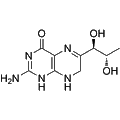
    7,8-Dihydro-L-biopterin serves as a nitric oxide synthase (NOS) uncoupling inducer and is capable of crossing the blood-brain barrier. As a reduced, non-conjugated pteridine and the primary metabolite of 4-amino-tetrahydro-L-biopterin, it promotes the conversion of NOS to a superoxide-producing form, elevating oxidative stress levels, particularly in the renal outer medulla, and triggering apoptosis. This compound's sensitivity to superoxide dismutase (SOD) inhibition makes it valuable for research into salt-sensitive hypertension, traumatic brain injury, and neurodegenerative diseases.

    2 mg
    $25.00
    5 mg
    $35.00
    All 6 sizes
  • L-NMMA
    Cat. No.
    A65094

    L-NMMA

    Synonyms: Tilarginine; Methylarginine

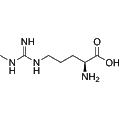
    L-NMMA (N-methyl-L-arginine) is a competitive antagonist of L-arginine that effectively inhibits the production of nitric oxide (NO) by targeting nitric oxide synthase. This compound is employed in various experimental studies to investigate the physiological and pathological roles of NO and its signaling pathways. Its application extends to cardiovascular research, neurobiology, and studies involving vascular function.

    1 mg
    $20.00
    5 mg
    $40.00
    All 6 sizes
  • L-NMMA citrate
    Cat. No.
    A65166

    L-NMMA citrate

    Synonyms: Methylarginine citrate; Tilarginine citrate

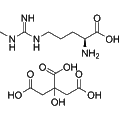
    L-NMMA citrate is a competitive antagonist of L-arginine and effectively inhibits nitric oxide (NO) production by targeting nitric oxide synthase. This reagent is commonly used in research to study the role of NO in various physiological processes and to explore potential therapeutic interventions in conditions associated with dysregulated NO signaling.

    25 mg
    $1,275.00
    50 mg
    $1,625.00
    All 3 sizes
  • L-NMMA hydrochloride
    Cat. No.
    A65340

    L-NMMA hydrochloride

    Synonyms: Tilarginine hydrochloride; Methylarginine hydrochloride

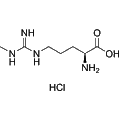
    L-NMMA hydrochloride is a competitive antagonist of L-arginine, effectively inhibiting nitric oxide (NO) production by targeting nitric oxide synthase. This compound is widely used in research to study the role of nitric oxide in various physiological and pathological processes, such as vascular regulation and immune response modulation. Its application extends to exploring potential therapeutic interventions in conditions associated with dysregulated NO signaling.

    25 mg
    $1,275.00
    50 mg
    $1,625.00
    All 3 sizes

5 Items

Added to your cart

View Cart Checkout

    Loading...