Reactive Oxygen Species (ROS)

Reactive oxygen species (ROS) modulators are antioxidants, scavengers and enzyme inhibitors for oxidative stress work. Superoxide, hydrogen peroxide and hydroxyl radicals arise mainly from the mitochondrial respiratory chain and from oxidase enzymes. Cells remove superoxide with superoxide dismutase, an enzyme activity first described in 1969. Acetylcysteine supplies cysteine for glutathione synthesis, and Mito-TEMPO is a superoxide scavenger targeted to mitochondria. Allopurinol inhibits xanthine oxidase, one enzymatic source of superoxide in tissues. Zinc protoporphyrin blocks heme oxygenase 1 (HO-1), whose induction forms part of the cellular defense against oxidative stress. Temoporfin works the other way, as a photosensitizer that generates ROS under light. Inhibitors of the superoxide-producing enzymes are listed under NADPH Oxidase.

2 Items

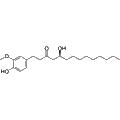
  • 10-Gingerol
    Cat. No.
    A14475

    10-Gingerol

    10-Gingerol is an AMPK agonist derived from ginger oleoresin, exhibiting notable anti-inflammatory, antioxidant, and anti-proliferative properties. It effectively suppresses neointimal hyperplasia and inhibits the proliferation of vascular smooth muscle cells. Demonstrating significant radical scavenging activities, 10-Gingerol has IC50 values of 10.47 μM against DPPH, 1.68 μM against superoxide, and 1.35 μM against hydroxyl radicals. This compound also inhibits MDA-MB-231 tumor cell line proliferation with an IC50 of 12.1 μM, while targeting the PI3K/Akt signaling pathway to suppress proliferation, migration, invasion, and promote apoptosis. It holds potential for research applications in ulcerative colitis.

    5 mg
    $70.00
    10 mg
    $130.00
    All 6 sizes

2 Items

Added to your cart

View Cart Checkout

    Loading...