Pesticide Metabolites

Pesticide metabolites are the breakdown products of insecticides, herbicides and fungicides. Crops, animals, soil microbes, sunlight and water convert active ingredients into them by oxidation, hydrolysis, dealkylation or conjugation. Some metabolites persist longer than the parent compound or remain biologically active, so residue definitions often include them. They serve as analytical standards in residue testing, environmental fate studies and human exposure biomonitoring. Oxychlordane is a persistent oxidation product of the organochlorine insecticide chlordane. Permethric acid forms when the ester bond of permethrin is hydrolyzed. Terbuthylazine-desethyl arises when the triazine herbicide terbuthylazine loses an ethyl group by dealkylation. N-acetylglyphosate is an acetylated glyphosate metabolite, and clethodim sulfoxide is an oxidized form of the herbicide clethodim.

1 Item

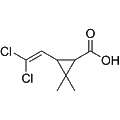
  • Permethric acid
    Cat. No.
    A70860

    Permethric acid

    Permethric acid, a primary metabolite of the insecticide permethrin, exhibits biological activity through the inhibition of insect sodium channels. This compound plays a critical role in the study of insect physiology and toxicology, aiding in the understanding of the metabolic pathways and environmental impact of pyrethroid insecticides. Researchers utilize permethric acid to evaluate its effects on insect resistance and develop more effective pest management strategies.

    100 mg
    $80.00
    250 mg
    $155.00
    All 4 sizes

1 Item

Added to your cart

View Cart Checkout

    Loading...