PSMA

PSMA ligands bind prostate-specific membrane antigen (PSMA), a cell-surface glutamate carboxypeptidase. A complementary DNA encoding PSMA was cloned in 1993 from a human prostate carcinoma cell line. In 1996 the protein was shown to act as a hydrolase with the substrate and inhibitor profile of a neuropeptidase that cleaves N-acetylaspartylglutamate. The enzyme is also known as glutamate carboxypeptidase II and folate hydrolase 1 (FOLH1). Many compounds here carry a urea-linked glutamate motif that fits the active site, coupled to a chelator or labeling group. PSMA-11 carries a chelator for gallium-68, while PSMA-1007 and piflufolastat are fluorinated ligands. tert-Butyl-DCL is a protected inhibitor intermediate, and PSMA-ALB-56 adds an albumin-binding group.

2 Items

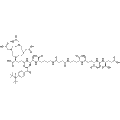
  • Flotufolastat
    Cat. No.
    A65430

    Flotufolastat

    Flotufolastat is a prostate-specific membrane antigen (PSMA) modulator that serves as a radiodiagnostic agent for imaging prostate cancer. This compound is instrumental in enhancing the detection and characterization of prostate cancer lesions. Flotufolastat is valuable for research applications focused on prostate cancer and other malignancies associated with PSMA expression.

    Out of stock

    All 3 sizes
  • Prostate Specific Antigen Substrate
    Cat. No.
    A65437

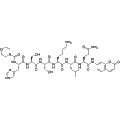
    Prostate Specific Antigen Substrate

    Prostate Specific Antigen Substrate is a fluorescent substrate utilized for the detection of enzymatic activity associated with prostate specific antigen (PSA). This reagent enables researchers to effectively measure PSA activity, aiding in the study of prostate cancer and other related conditions. Its application in various assays facilitates enhanced understanding of PSA's role in oncology research.

    1 mg
    $145.00
    5 mg
    $370.00
    All 3 sizes

2 Items

Added to your cart

View Cart Checkout

    Loading...