Apoptosis Inducers

Apoptosis inducers are compounds that trigger programmed cell death through mitochondrial, caspase or stress pathways. Apoptosis is a regulated form of cell death marked by caspase activation, chromatin condensation and cell shrinkage. Inducers serve to study how cells commit to death and as positive controls in cell death assays. Tasisulam, an acylsulfonamide, is described as acting through the intrinsic mitochondrial pathway with caspase activation. Homoharringtonine, a Cephalotaxus alkaloid, inhibits protein synthesis and lowers signal transducer and activator of transcription 3 (STAT3) signaling. Episilvestrol, a rocaglate from Aglaia plants, targets eukaryotic initiation factor 4A (eIF4A). Compounds acting on one defined apoptosis regulator are listed in sibling categories such as Bcl-2 Family and Caspase.

10 Items

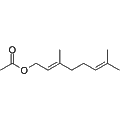
  • Geranyl acetate
    Cat. No.
    A17522

    Geranyl acetate

    Geranyl acetate, an acyclic monoterpene ester derived from geraniol, functions as an apoptosis activator. It has been shown to induce programmed cell death in various cell types, making it a valuable reagent for apoptosis research. This compound is utilized in studies investigating cell cycle regulation and the mechanisms of cell death in cancer and other diseases.

    10 g
    $20.00
    25 g
    $25.00
    All 4 sizes
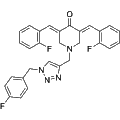
  • Anticancer agent 253
    Cat. No.
    A25618

    Anticancer agent 253

    Anticancer agent 253 is an apoptosis activator that exhibits potent anti-cancer activity against breast cancer cell lines, demonstrating IC50 values of 6 μM in MCF-7 cells, 10 μM in MDA-MB-231 cells, and 6.4 μM in 4T1 cells. This compound effectively induces mitochondria-mediated apoptosis and arrests the cell cycle in cancer cells. Additionally, anticancer agent 253 inhibits Akt phosphorylation in both human breast and prostate cancer models, making it a valuable tool for studying apoptosis pathways and potential therapeutic interventions in oncology research.

    1 mg
    $95.00
    5 mg
    $215.00
    All 6 sizes
  • Autophagy inducer 7
    Cat. No.
    A25876

    Autophagy inducer 7

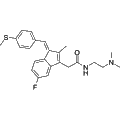
    Autophagy Inducer 7 is an effective modulator of autophagy and apoptosis, primarily targeting the Akt/mTOR signaling pathway. This compound promotes autophagy by inhibiting pathway activity and downregulating associated proteins, leading to a reduction in DNA synthesis and inducing G0-G1 cell cycle arrest. Additionally, Autophagy Inducer 7 has demonstrated the ability to inhibit tumor cell proliferation, making it a valuable tool for research in cancer biology and therapeutic strategies involving autophagy.

    1 mg
    $70.00
    5 mg
    $140.00
    All 6 sizes
  • 4-Methyldaphnetin
    Cat. No.
    A30847

    4-Methyldaphnetin

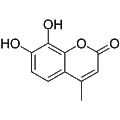
    4-Methyldaphnetin functions as an apoptosis activator, demonstrating potent and selective anti-proliferative effects across various cancer cell lines. This compound induces apoptosis and exhibits significant radical scavenging activity, effectively inhibiting membrane lipid peroxidation. Its unique properties make it a valuable reagent for research in cancer biology and therapeutic development.

    50 mg
    $20.00
    100 mg
    $25.00
    All 2 sizes
  • Waltonitone
    Cat. No.
    A31889

    Waltonitone

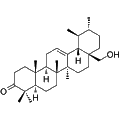
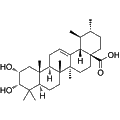
    Waltonitone is a ursane-type pentacyclic triterpene that functions as an apoptosis activator. It demonstrates potent inhibition of hepatocellular carcinoma cell growth while effectively inducing apoptosis both in vitro and in vivo. This compound is valuable for research into cancer therapeutics and the mechanistic pathways of apoptosis.

    2 mg
    $105.00
    5 mg
    $205.00
    All 3 sizes
  • Pygenic acid A
    Cat. No.
    A32062

    Pygenic acid A

    Pygenic acid A is an apoptosis activator derived from Prunella vulgaris. It has demonstrated the ability to induce apoptosis in metastatic breast cancer cells, making it a valuable tool for cancer research. Additionally, Pygenic acid A is relevant for studies investigating diabetes and inflammatory diseases, providing a multifaceted approach to understanding these conditions.

    1 mg
    $315.00
    5 mg
    $810.00
    All 2 sizes
  • Hydrolyzed Fumonisin B1
    Cat. No.
    A32160

    Hydrolyzed Fumonisin B1

    Synonyms: Aminopentol

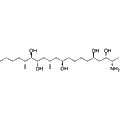
    Hydrolyzed Fumonisin B1, also known as Aminopentol, acts as an apoptosis activator by inhibiting ceramide synthase, albeit at low efficacy. As a principal hydrolysis product of the mycotoxin Fumonisin B1, it is employed in research focused on understanding cellular apoptosis mechanisms. This reagent is valuable for studies investigating the effects of ceramide metabolism on cell survival and death pathways.

    0.1 mg
    $255.00
    1 mg
    $1,120.00
    All 3 sizes
  • Eriosematin
    Cat. No.
    A32303

    Eriosematin

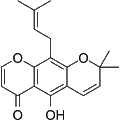
    Eriosematin is an apoptosis activator derived from the roots of Flemingia philippinensis. This compound exhibits significant antiproliferative activity, making it useful in research focused on cancer biology and cell death mechanisms. Eriosematin's ability to induce apoptosis highlights its potential applications in therapeutic development for cancer treatment and studies involving programmed cell death.

    1 mg
    $215.00
    5 mg
    $660.00
    All 2 sizes
  • (+)-Nortrachelogenin
    Cat. No.
    A32505

    (+)-Nortrachelogenin (Wikstromol)

    Synonyms: Wikstromol

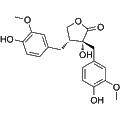
    (+)-Nortrachelogenin is a potent apoptosis activator derived from Wikstroemia indica. This compound exhibits notable antileukemic activity, making it valuable for research focused on cancer therapeutics. Its mechanism suggests efficacy in inducing programmed cell death, providing insights into apoptosis pathways and potential treatment strategies for leukemia.

    1 mg
    $105.00
    5 mg
    $265.00
    All 5 sizes
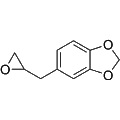
  • Safrole oxide
    Cat. No.
    A53889

    Safrole oxide

    Safrole oxide is a p53 modulator that enhances the expression of the p53 tumor suppressor protein, facilitating cell cycle arrest and promoting apoptosis. This compound effectively induces apoptosis in lung cancer cells while avoiding necrotic cell death. Safrole oxide is valuable for research focused on lung cancer mechanisms and therapeutic strategies.

    1 mg
    $235.00
    5 mg
    $590.00
    All 6 sizes

10 Items

Added to your cart

View Cart Checkout

    Loading...