Apoptosis Inducers

Apoptosis inducers are compounds that trigger programmed cell death through mitochondrial, caspase or stress pathways. Apoptosis is a regulated form of cell death marked by caspase activation, chromatin condensation and cell shrinkage. Inducers serve to study how cells commit to death and as positive controls in cell death assays. Tasisulam, an acylsulfonamide, is described as acting through the intrinsic mitochondrial pathway with caspase activation. Homoharringtonine, a Cephalotaxus alkaloid, inhibits protein synthesis and lowers signal transducer and activator of transcription 3 (STAT3) signaling. Episilvestrol, a rocaglate from Aglaia plants, targets eukaryotic initiation factor 4A (eIF4A). Compounds acting on one defined apoptosis regulator are listed in sibling categories such as Bcl-2 Family and Caspase.

1 Item

  • Taccalonolide A
    Cat. No.
    A30817

    Taccalonolide A

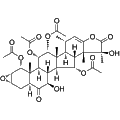
    Taccalonolide A is a microtubule stabilizer derived from the plant Tacca chantrieri, known for its ability to induce apoptosis. This compound demonstrates significant cytotoxic effects, particularly in cancer cell lines, including those that overexpress P-glycoprotein (Pgp) and multidrug resistance protein 7 (MRP7). Taccalonolide A initiates apoptosis through mechanisms such as G2-M phase cell cycle accumulation and Bcl-2 phosphorylation, exhibiting an IC50 of 622 nM against SK-OV-3 cells. Its distinct properties make it a valuable tool for research in cancer biology and drug resistance.

    1 mg
    $40.00
    5 mg
    $90.00
    All 3 sizes

1 Item

Added to your cart

View Cart Checkout

    Loading...