Apoptosis Inducers

Apoptosis inducers are compounds that trigger programmed cell death through mitochondrial, caspase or stress pathways. Apoptosis is a regulated form of cell death marked by caspase activation, chromatin condensation and cell shrinkage. Inducers serve to study how cells commit to death and as positive controls in cell death assays. Tasisulam, an acylsulfonamide, is described as acting through the intrinsic mitochondrial pathway with caspase activation. Homoharringtonine, a Cephalotaxus alkaloid, inhibits protein synthesis and lowers signal transducer and activator of transcription 3 (STAT3) signaling. Episilvestrol, a rocaglate from Aglaia plants, targets eukaryotic initiation factor 4A (eIF4A). Compounds acting on one defined apoptosis regulator are listed in sibling categories such as Bcl-2 Family and Caspase.

1 Item

  • EV206
    Cat. No.
    A37545

    EV206

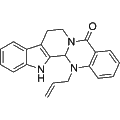
    EV206 is a selective binder to the N-terminal domain of Hsp70, functioning as an apoptosis inducer. It promotes the degradation of Hsp70 through the ubiquitin-proteasome pathway, leading to reduced protein stability and inhibition of cellular growth. EV206 effectively induces apoptotic cell death in non-small cell lung cancer cells, suppresses colony formation, and downregulates markers associated with cancer stem cells. Additionally, it demonstrates anti-tumor activity in H460 xenograft models. This compound serves as a valuable tool for research in non-small cell lung cancer.

    5 mg
    $170.00
    10 mg
    $275.00
    All 5 sizes

1 Item

Added to your cart

View Cart Checkout

    Loading...