- Cat. No.
- A12267
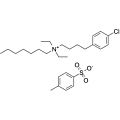
Clofilium tosylate
Clofilium tosylate, a potassium channel blocker, induces apoptosis of human promyelocytic leukemia (HL-60) cells via Bcl-2-insensitive activation of caspase-3. Antiarrhythmic agent.
Search by product name, CAS, target or catalog number. Press Down Arrow to reach product suggestions, Tab to move between links, and Escape to close suggestions.
Caspase inhibitors and activators act on cysteine proteases that cleave their substrates after aspartate residues. Initiator caspases such as caspase-8 and caspase-9 activate executioner caspases, including caspase-3, to dismantle the cell during apoptosis. Caspase-1, the first family member, was identified in 1992 as the protease that processes interleukin-1β (IL-1β). Peptide fluoromethyl ketones (FMKs) are the classic inhibitor type, led by the pan-caspase inhibitor Z-VAD-FMK. Z-DEVD-FMK, Z-IETD-FMK and Z-LEHD-FMK prefer caspase-3, caspase-8 and caspase-9, respectively. Q-VD-OPh is a broad caspase inhibitor, and belnacasan inhibits the inflammatory caspases 1 and 4. PAC-1 works in the opposite direction, as a small molecule that activates procaspase-3.
Clofilium tosylate, a potassium channel blocker, induces apoptosis of human promyelocytic leukemia (HL-60) cells via Bcl-2-insensitive activation of caspase-3. Antiarrhythmic agent.
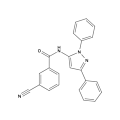
CDPPB is a selective, orally active allosteric modulator of the metabotropic glutamate receptor 5 (mGluR5). It enhances AKT and ERK1/2 signaling and upregulates BDNF mRNA expression. CDPPB also inhibits caspase-3 activation and mitigates mitochondrial dysfunction, demonstrating therapeutic potential in improving cognitive impairment, depression, and Huntington’s disease.