PERK

PERK (Protein Kinase R-like Endoplasmic Reticulum Kinase) signaling is a critical pathway within the unfolded protein response (UPR), which is a cellular stress response related to the endoplasmic reticulum (ER). The ER is an essential organelle in cells, responsible for folding, modifying, and transporting proteins. When the ER becomes stressed due to the accumulation of unfolded or misfolded proteins, it activates the UPR to restore normal function.

  • Components of PERK Signaling
    PERK (EIF2AK3): A transmembrane protein kinase located in the ER. Under normal conditions, PERK is inactive and bound to the ER chaperone BiP/GRP78. Upon ER stress, PERK is released from BiP/GRP78 and undergoes dimerization and autophosphorylation, becoming active.
    eIF2α (Eukaryotic Initiation Factor 2 Alpha): Once activated, PERK phosphorylates eIF2α. Phosphorylated eIF2α leads to a general reduction in protein synthesis, which helps alleviate the burden of unfolded proteins in the ER.
    ATF4 (Activating Transcription Factor 4): Although general protein synthesis is reduced, specific mRNAs, like ATF4, are preferentially translated. ATF4 is a transcription factor that induces the expression of genes involved in amino acid metabolism, redox reaction, and stress response.
    CHOP (C/EBP Homologous Protein): ATF4 can induce the expression of CHOP, a transcription factor that promotes apoptosis under conditions of prolonged ER stress.
  • Functions of PERK Signaling
    Restoration of ER Homeostasis: By reducing general protein synthesis and promoting the expression of genes that aid in protein folding and degradation, PERK signaling helps to restore ER homeostasis.
    Cell Survival and Apoptosis: Initially, PERK signaling aims to protect the cell by reducing the load of unfolded proteins. However, if ER stress persists, PERK signaling can lead to apoptosis, thus eliminating cells that are unable to restore ER function, which could otherwise lead to disease.
  • Role in Diseases
    Aberrations in PERK signaling have been implicated in various diseases, including neurodegenerative diseases (such as Alzheimer's and Parkinson's), diabetes (particularly in the context of pancreatic β-cell dysfunction), and cancer. In cancer, PERK signaling can have a dual role, contributing to both the survival of cancer cells under stress conditions and to cell death, making it a target of interest for therapeutic intervention.
  • Therapeutic Implications
    Due to its central role in managing ER stress, the PERK signaling pathway is a potential target for therapeutic intervention in diseases characterized by ER stress. Modulators of PERK signaling are being explored for their therapeutic potential in treating diseases such as neurodegeneration, diabetes, and cancer. However, the dual role of PERK in cell survival and death complicates its targeting, highlighting the need for nuanced therapeutic strategies that can modulate the pathway in disease-specific contexts.

4 Items

  • Azoramide
    Cat. No.
    A16075

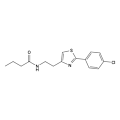
    Azoramide

    Azoramide is a small-molecule modulator of the unfolded protein response with antidiabetic activity.
    5 mg
    $20.00
    10 mg
    $30.00
    All 7 sizes
  • CCT020312
    Cat. No.
    A19137

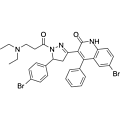
    CCT020312

    CCT020312 is a selective EIF2AK3/PERK activator. CCT020312 elicits EIF2A phosphorylation in cells.
    1 mg
    $50.00
    5 mg
    $135.00
    All 8 sizes
  • VUBI1
    Cat. No.
    A24569

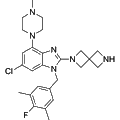
    VUBI1 (SOS1 activator 1)

    Synonyms: SOS1 activator 1

    VUBI1 (SOS1 Activator 1) is a benzimidazole-derived small molecule that acts as a potent activator of the guanine nucleotide exchange factor SOS1, with a dissociation constant (Kᴅ) of 44 nM. It promotes RAS activation by enhancing RAS-GTP formation and modulates downstream ERK phosphorylation, thereby influencing RAS–MAPK signaling. In addition, VUBI1 serves as a functional ligand for the development of PROTAC-based degraders, such as PROTAC SOS1 Degrader-1, to induce targeted SOS1 degradation. VUBI1 is a valuable compound for studying RAS pathway regulation and its role in cancer biology.
    1 mg
    $315.00
    5 mg
    $945.00
    All 4 sizes
  • MK-28
    Cat. No.
    A56860

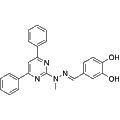
    MK-28

    MK-28 is a potent and selective activator of the protein kinase PERK (PKR-like ER kinase). This compound demonstrates significant pharmacokinetic properties, with a notable ability to penetrate the blood-brain barrier in murine models. MK-28 is primarily used in research related to ER stress response and unfolded protein response pathways, providing valuable insights into cellular homeostasis and neurodegenerative diseases.

    1 mg
    $80.00
    5 mg
    $205.00
    All 7 sizes

4 Items

Added to your cart

View Cart Checkout

    Loading...