TNF-α

Tumor necrosis factor alpha (TNF-α) inhibitors reduce the production or signaling of a central inflammatory cytokine. In 1975 an endotoxin-induced serum factor that causes necrosis of tumors was described and named tumor necrosis factor. Cloning of human TNF in 1984 revealed a precursor related to lymphotoxin. Through its two receptors, TNF-α activates nuclear factor kappa B (NF-κB) and cell death pathways. Etanercept is a soluble receptor fusion protein that binds the cytokine, and C 87 is a small-molecule TNF-α inhibitor. In 1991 thalidomide was shown to inhibit TNF-α production by stimulated human monocytes, and its analogs lenalidomide and pomalidomide are also listed. Pathway compounds include the NF-κB inhibitor QNZ and necrostatin-1, an inhibitor of receptor-interacting protein kinase 1 (RIPK1).

1 Item

  • AR420626
    Cat. No.
    A23991

    AR420626

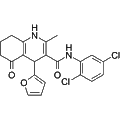
    AR420626 is a selective agonist of free fatty acid receptor 3 (FFAR3, also known as GPR41), with an IC₅₀ of 117 nM. It demonstrates anti-inflammatory, antitumor, and antidiabetic activities. AR420626 improves neurogenic diarrhea by modulating neural pathways mediated by nicotinic acetylcholine receptors (nAChRs). In cancer models, it suppresses the growth of HepG2 xenografts and inhibits hepatoma cell proliferation through apoptosis induction. Additionally, AR420626 mitigates allergic asthma and eczema and enhances glucose uptake by activating FFAR3-mediated Ca²⁺ signaling, offering potential therapeutic benefits in metabolic disorders such as diabetes.

    5 mg
    $77.00
    10 mg
    $132.00
    All 4 sizes

1 Item

Added to your cart

View Cart Checkout

    Loading...