CDK

CDK inhibitors block cyclin-dependent kinases (CDKs), the serine/threonine kinases that drive the cell cycle. Each CDK becomes active only when bound to a cyclin partner, and successive cyclin-CDK complexes order DNA replication and mitosis. CDK4 and CDK6 pair with D-type cyclins to control progression through G1, while CDK1 governs entry into mitosis. Palbociclib and abemaciclib are selective CDK4/6 inhibitors used to study G1 arrest and retinoblastoma protein phosphorylation. Dinaciclib and seliciclib act on several family members, including CDK2, CDK5 and CDK9, which also links them to transcription research. Ro 3306 inhibits CDK1 and is used to hold cells reversibly at the G2/M boundary for synchronization experiments.

2 Items

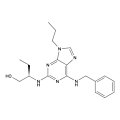
  • Ca2+ channel agonist 1
    Cat. No.
    A12186

    Ca2+ channel agonist 1

    Ca2+ channel agonist 1 is an agonist of N-type Ca2+ channel and an inhibitor of Cdk2, with EC50s of 14.23 μM and 3.34 μM, respectively, and is used as a potential treatment for motor nerve terminal dysfunction.

    1 mg
    $90.00
    5 mg
    $190.00
    All 8 sizes
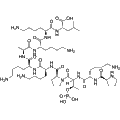
  • [pThr3]-CDK5 Substrate
    Cat. No.
    A54326

    [pThr3]-CDK5 Substrate

    [pThr3]-CDK5 Substrate is a specific substrate for cyclin-dependent kinase 5 (CDK5), functioning primarily through phosphorylation at threonine 3. This substrate is based on the histone H1 peptide sequence, which effectively binds within the active site of CDK5. It is phosphorylated by CDK5 with a Km value of 6 µM, making it useful for studies examining CDK5 activity and regulation in various biological contexts.

    Out of stock

    All 3 sizes

2 Items

Added to your cart

View Cart Checkout

    Loading...