Endogenous Metabolite

Endogenous metabolites are small molecules made by the body's own metabolism, such as amino acids and steroids. They are used as metabolomics standards, as enzyme substrates and as tools to probe how metabolic pathways are regulated. L-Citrulline, an intermediate of the urea cycle, is also formed when nitric oxide synthase produces nitric oxide. 17-Hydroxyprogesterone is a steroid intermediate on the route to cortisol. Prostaglandin E1 represents the eicosanoids, a group of lipid mediators derived from fatty acids. Nicotinamide riboside chloride is a precursor of nicotinamide adenine dinucleotide (NAD+), the cofactor used by sirtuins.

1 Item

  • Cilobradine
    Cat. No.
    A73752

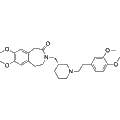
    Cilobradine

    Synonyms: Cilo

    Cilobradine is an HCN channel blocker primarily targeting the hyperpolarization-activated cyclic nucleotide-gated channels HCN1, HCN2, HCN3, and HCN4. It exhibits significant biological activity by decreasing heart rate, effectively reducing endogenous If current in mouse sinoatrial node cells with an IC50 of 0.62 μM. Cilobradine can lower heart rates from 600 bpm to 200 bpm in a dose-dependent manner, with an ED50 of 1.2 mg/kg. However, at doses exceeding 5 mg/kg, Cilobradine may induce arrhythmias characterized by periodic fluctuations between T waves and P waves, making it a valuable tool for cardiovascular research.

    25 mg
    $1,275.00
    50 mg
    $1,625.00
    All 3 sizes

1 Item

Added to your cart

View Cart Checkout

    Loading...