Endogenous Metabolite

Endogenous metabolites are small molecules made by the body's own metabolism, such as amino acids and steroids. They are used as metabolomics standards, as enzyme substrates and as tools to probe how metabolic pathways are regulated. L-Citrulline, an intermediate of the urea cycle, is also formed when nitric oxide synthase produces nitric oxide. 17-Hydroxyprogesterone is a steroid intermediate on the route to cortisol. Prostaglandin E1 represents the eicosanoids, a group of lipid mediators derived from fatty acids. Nicotinamide riboside chloride is a precursor of nicotinamide adenine dinucleotide (NAD+), the cofactor used by sirtuins.

2 Items

  • Tomatidine hydrochloride
    Cat. No.
    A22284

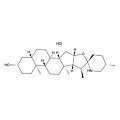
    Tomatidine hydrochloride

    Tomatidine hydrochloride acts as an anti-inflammatory agent by blocking NF-κB and JNK signaling. Tomatidine hydrochloride activates autophagy either in mammal cells or C elegans.

    5 mg
    $35.00
    10 mg
    $65.00
    All 5 sizes
  • Promothiocin A
    Cat. No.
    A73485

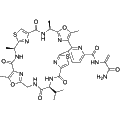
    Promothiocin A

    Promothiocin A is a thiopeptide that acts as an inducer of the tipA promoter. This compound is derived from the bacterium Streptomyces sp. SF2741 and functions as an endogenous metabolite, playing a pivotal role in gene regulation. Its ability to modulate bacterial gene expression makes Promothiocin A a valuable reagent for research applications in microbiology and molecular biology, particularly in studies focused on transcriptional control mechanisms.

    25 mg
    $1,275.00
    All 1 sizes

2 Items

Added to your cart

View Cart Checkout

    Loading...