Endogenous Metabolite

Endogenous metabolites are small molecules made by the body's own metabolism, such as amino acids and steroids. They are used as metabolomics standards, as enzyme substrates and as tools to probe how metabolic pathways are regulated. L-Citrulline, an intermediate of the urea cycle, is also formed when nitric oxide synthase produces nitric oxide. 17-Hydroxyprogesterone is a steroid intermediate on the route to cortisol. Prostaglandin E1 represents the eicosanoids, a group of lipid mediators derived from fatty acids. Nicotinamide riboside chloride is a precursor of nicotinamide adenine dinucleotide (NAD+), the cofactor used by sirtuins.

1 Item

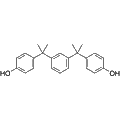
  • Bisphenol M
    Cat. No.
    A72853

    Bisphenol M

    Bisphenol M is an endogenous metabolite recognized for its antioxidant properties. It is utilized in various industrial applications, particularly in the production of plastics and resins, where it serves as a stabilizer and preservative. Additionally, Bisphenol M is employed in certain food packaging materials to enhance product durability and safety, making it relevant for research in material science and food safety studies.

    1 g
    $20.00
    5 g
    $40.00
    All 3 sizes

1 Item

Added to your cart

View Cart Checkout

    Loading...