
- Cat. No.
- A17030
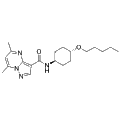
LTI-291
LTI-291 is a glucocerebrosidase (Gcase) activator for treatment of Parkinson's disease (PD).
In stock
View Details
Search by product name, CAS, target or catalog number. Press Down Arrow to reach product suggestions, Tab to move between links, and Escape to close suggestions.
Glucosidase inhibitors block enzymes that cleave glucose units from oligosaccharides, disaccharides and glycoproteins. Intestinal α-glucosidases break down dietary carbohydrates, so their inhibitors are used to study postprandial glucose uptake. Acarbose, a pseudo-oligosaccharide, and miglitol, an iminosugar, are standard inhibitors of these enzymes. In the endoplasmic reticulum, glucosidases I and II trim glucose residues from newly attached N-linked glycans. Trimming and later reglucosylation control glycoprotein binding to the chaperone calnexin, as reported in 1995. Deoxynojirimycin and celgosivir inhibit these processing glucosidases and are used in glycoprotein folding and virology research. Miglustat hydrochloride, an N-alkylated iminosugar, also inhibits glucosylceramide synthase in glycosphingolipid research.
LTI-291 is a glucocerebrosidase (Gcase) activator for treatment of Parkinson's disease (PD).
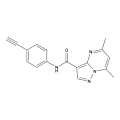
ML198 is a novel activator and non-inhibitory chaperone of glucocerebrosidase.
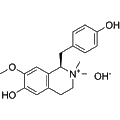
Lotusine hydroxide is an alkaloid that functions as a signaling pathway modulator and enzyme inhibitor. It exhibits notable inhibitory activity against α-amylase and α-glucosidase, with IC50 values of 30.60 μg/mL and 36.15 μg/mL, respectively. Lotusine hydroxide effectively inhibits the EGFR-Akt-ERK signaling pathway by decreasing phosphorylated levels of EGFR, Akt, and ERK, leading to apoptosis, G0/G1 cell cycle arrest, and reduced cancer cell proliferation. Additionally, it enhances antioxidant enzyme activities and is relevant for research on non-small cell lung cancer, type 2 diabetes, and autism spectrum disorder.
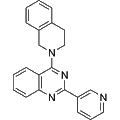
GCase modulator-1 is a Quinazoline derivative targeting GCase (Glucosidase) with an AC50 of 2.23 μM. This compound serves as a potent modulator, influencing GCase activity and its associated metabolic pathways. It is primarily utilized in research focused on lysosomal storage disorders and potential therapeutic strategies for related conditions.
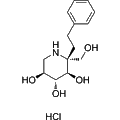
5-C-phenethyl-DNJ hydrochloride is a potent activator of acid α-glucosidase (GAA). It enhances GAA activity across multiple tissues, notably in the diaphragm, making it a valuable tool for research into metabolic disorders, including Pompe disease. This compound provides insights into therapeutic strategies aimed at modulating GAA activity for the treatment of glycemic imbalances.
Out of stock
All 3 sizes