Herbicide

Herbicides are compounds that stop plant growth by blocking photosynthesis, amino acid synthesis or cell division. They are studied in plant biochemistry, weed resistance research and environmental analysis. Sulfonylureas such as nicosulfuron, and the triazolopyrimidine penoxsulam, inhibit acetolactate synthase (ALS), the first enzyme of branched-chain amino acid synthesis. Amicarbazone blocks electron transport at photosystem II, whereas diquat dibromide accepts electrons at photosystem I and generates reactive oxygen species. Propyzamide, a benzamide, disrupts microtubule assembly during plant cell division. Nitisinone inhibits 4-hydroxyphenylpyruvate dioxygenase (HPPD), the enzyme targeted by triketone herbicides, and is also used to study tyrosine metabolism.

1 Item

  • Thiencarbazone-methyl
    Cat. No.
    A75470

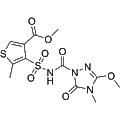
    Thiencarbazone-methyl

    Thiencarbazone-methyl is a triazole herbicide that targets the inhibition of photosynthesis in plants. It exhibits potent herbicidal activity, effectively controlling a range of weeds in crops such as corn and wheat, as well as in lawns and ornamental plants. This compound is also a substrate for microbial degradation, which allows for specific fungal strains to metabolize it, influencing its environmental impact. Research applications include studies on herbicide resistance and the ecological effects of agrochemicals.

    Out of stock

    All 3 sizes

1 Item

Added to your cart

View Cart Checkout

    Loading...