PCSK9

PCSK9 inhibitors and degraders target a secreted protein that limits cholesterol uptake by the liver. Proprotein convertase subtilisin/kexin type 9 (PCSK9) was described in 2003 as neural apoptosis-regulated convertase 1 (NARC-1), a convertase expressed in liver and brain. In the same year, mutations in its gene were linked to autosomal dominant hypercholesterolemia. Secreted PCSK9 binds low-density lipoprotein (LDL) receptors and routes them to lysosomal degradation. SBC-115076 and laroprovstat are small-molecule PCSK9 inhibitors, while PF-06446846 hydrochloride selectively stalls ribosomes during PCSK9 translation. Inclisiran is a small interfering RNA (siRNA), and PCSK9 autophagic degrader 2 removes the protein through autophagy.

3 Items

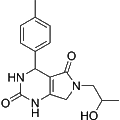
  • SBC-115076
    Cat. No.
    A15769

    SBC-115076

    SBC-115076 is an anti-proprotein convertase subtilisin kexin type 9 (anti-PCSK9) compounds, for the treatment and/or prevention of cardiovascular diseases.

    1 mg
    $25.00
    2 mg
    $40.00
    All 9 sizes
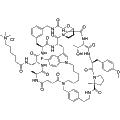
  • Enlicitide chloride
    Cat. No.
    A77029

    Enlicitide chloride

    Synonyms: MK-0616 chloride

    Enlicitide chloride is a potent orally active antagonist of PCSK9, inhibiting the interaction between the lipoprotein lipase (LPL) receptor and PCSK9 with an IC50 of 2.5 nM. This compound is invaluable for investigating cardiovascular diseases, including atherosclerosis, hypercholesterolemia, coronary heart disease, metabolic syndrome, and acute coronary syndrome, as well as other related cardiometabolic disorders. Researchers may utilize Enlicitide chloride to explore therapeutic strategies targeting lipid metabolism and cardiovascular health.

    0.5 mg
    $650.00
    1 mg
    $1,040.00
    All 4 sizes
  • E28362
    Cat. No.
    A77039

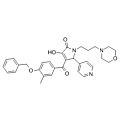
    E28362

    E28362 is a selective PCSK9 antagonist that functions as an orally active lipid-lowering agent. By inhibiting the interaction between PCSK9 and the LDL receptor (LDLR), E28362 promotes the degradation of PCSK9 through the ubiquitin-proteasome pathway, leading to increased cell surface and total levels of LDLR. This mechanism enhances low-density lipoprotein uptake, resulting in significant reductions in plasma lipids, hepatic cholesterol, and triglyceride levels. E28362 also demonstrates minimal cytotoxicity at high concentrations and has been shown to substantially reduce atherosclerotic lesions in animal models, making it a valuable tool in studies of hyperlipidemia and atherosclerosis.

    5 mg
    $220.00
    10 mg
    $360.00
    All 5 sizes

3 Items

Added to your cart

View Cart Checkout

    Loading...