PPAR

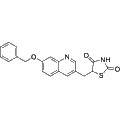
PPAR agonists and antagonists target peroxisome proliferator-activated receptors (PPARs), a nuclear receptor family. The first PPAR was identified in 1990 as a member of the steroid hormone receptor superfamily activated by peroxisome proliferators. The three subtypes, PPARα, PPARδ and PPARγ, act as ligand-activated transcription factors in tissues such as liver, muscle and fat. PPARγ promotes adipocyte differentiation, and thiazolidinediones were shown in 1995 to bind it with high affinity. Examples include rosiglitazone and troglitazone for PPARγ, fenofibrate for PPARα and GW 501516 for PPARδ. Elafibranor acts on PPARα and PPARδ, while T0070907 is a PPARγ antagonist for blocking studies.

Items 1-25 of 31

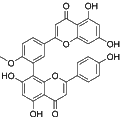
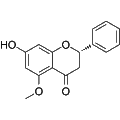
  • Alpinetin
    Cat. No.
    A15651

    Alpinetin

    Alpinetin is a flavonoid that acts as a PPAR-γ activator, demonstrating significant anti-inflammatory and hepatoprotective properties. It effectively inhibits lipopolysaccharide (LPS)-induced inflammation and protects against LPS-induced renal injury by modulating TLR4 expression and activating the Nrf2 pathway. Its diverse biological activities make Alpinetin a valuable reagent for research into tumor biology, cardiovascular health, and neuroprotection.

    5 mg
    $30.00
    10 mg
    $50.00
    All 4 sizes
  • Bilobetin
    Cat. No.
    A15680

    Bilobetin

    Bilobetin acts as a PPARα activator, enhancing lipid metabolism and insulin sensitivity. It effectively reduces blood lipid levels by promoting hepatic lipid uptake and oxidation, while decreasing triglyceride secretion and accumulation in tissues. Additionally, Bilobetin stimulates the phosphorylation and nuclear translocation of PPARα, resulting in increased cAMP levels and PKA activity. This compound is significant for research in metabolic disorders, particularly those related to insulin resistance and lipid regulation.

    1 mg
    $30.00
    2 mg
    $50.00
    All 7 sizes
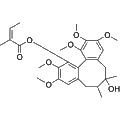
  • Angeloylgomisin H
    Cat. No.
    A15707

    Angeloylgomisin H

    Angeloylgomisin H is a PPAR-γ activator derived from the lignin extract of Schisandra rubriflora. This compound has demonstrated the ability to enhance insulin-stimulated glucose uptake, making it a valuable candidate for research in metabolic disorders and diabetes. Its mechanism of action may provide insights into therapeutic strategies aimed at improving insulin sensitivity and glucose metabolism.

    1 mg
    $40.00
    5 mg
    $100.00
    All 6 sizes
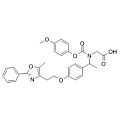
  • Peliglitazar racemate
    Cat. No.
    A21411

    Peliglitazar racemate

    Synonyms: BMS 426707-01 racemate; BMS-426707-01

    Peliglitazar racemate is the racemate of Peliglitazar. Peliglitazar is a novel dual α/γ PPAR activator.

    1 mg
    $695.00
    5 mg
    $1,795.00
    All 4 sizes
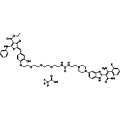
  • Dovitinib-RIBOTAC TFA
    Cat. No.
    A24842

    Dovitinib-RIBOTAC TFA

    Dovitinib-RIBOTAC TFA is a targeted RNA RIBOTAC degrader that specifically binds to and degrades pre-miR-21. This compound demonstrates significant anti-tumor activity and effectively inhibits breast cancer metastasis. It serves as a valuable tool for research involving RNA-targeted degradation and its implications in cancer biology.

    1 mg
    $320.00
    5 mg
    $1,050.00
    All 4 sizes
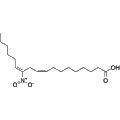
  • 12-Nitrolinoleate
    Cat. No.
    A26090

    12-Nitrolinoleate

    Synonyms: 12-Nitro-9-cis,12-cis-octadecadienoic acid

    12-Nitrolinoleate is a potent peroxisome proliferator-activated receptor γ (PPARγ) activator derived from linoleic acid through nitration. It effectively induces PPARγ-dependent gene expression in MCF-7 cells, demonstrating an EC50 of 0.045 μM. Additionally, 12-Nitrolinoleate exhibits anti-inflammatory properties by inhibiting NF-κB transcription in RAW 264.7 cells, along with reducing levels of pro-inflammatory cytokines such as IL-6, TNF-α, and CCL2 in response to LPS stimulation. This compound is valuable for research applications focused on metabolic regulation and inflammation.

    Out of stock

    All 3 sizes
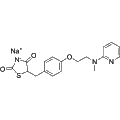
  • Rosiglitazone sodium
    Cat. No.
    A39730

    Rosiglitazone sodium

    Synonyms: BRL 49653 sodium

    Rosiglitazone sodium is a potent and selective activator of the peroxisome proliferator-activated receptor gamma (PPARγ), exhibiting EC50 values of 30 nM, 100 nM, and 60 nM for PPARγ1, PPARγ2, and PPARγ, respectively, with a Kd of approximately 40 nM. In addition to its role as a PPARγ activator, Rosiglitazone sodium functions as a modulator of transient receptor potential (TRP) channels, specifically inhibiting TRP melastatin 2 (TRPM2) and TRPM3, while activating TRP canonical 5 (TRPC5). This compound is utilized in research related to metabolic disorders, obesity, and other conditions linked to PPARγ signaling.

    Out of stock

    All 3 sizes
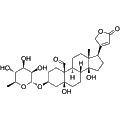
  • Convallatoxin
    Cat. No.
    A39915

    Convallatoxin

    Convallatoxin is a PPARγ activator derived from the plant Adonis amurensis. It exhibits significant anti-inflammatory effects by mitigating colitic inflammation through the activation of PPARγ and the suppression of NF-κB signaling pathways. Additionally, Convallatoxin serves as a substrate for P-glycoprotein, identifying Val982 as a critical amino acid for its transport. This compound also enhances ligand-induced micro-opioid receptor (MOR) endocytosis, demonstrating high potency and efficacy, making it valuable for research in inflammation and cellular signaling.

    1 mg
    $60.00
    5 mg
    $150.00
    All 3 sizes
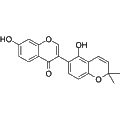
  • Glabrone
    Cat. No.
    A39916

    Glabrone

    Glabrone, a PPAR-γ activator derived from the roots of Glycyrrhiza glabra, demonstrates notable ligand binding activity to this nuclear receptor. In addition to its role as a specific probe substrate for UGT1A9, Glabrone's metabolites inhibit neuraminidase, thus preventing influenza virus release. This compound is suitable for research applications focused on herb-drug interactions and the evaluation of anti-influenza viral activity.

    1 mg
    $95.00
    5 mg
    $245.00
    All 6 sizes
  • (S)-Coriolic acid
    Cat. No.
    A39918

    (S)-Coriolic acid

    Synonyms: 13(S)-HODE

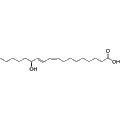
    (S)-Coriolic acid is a potent PPARγ activator formed through the metabolism of linoleic acid by 15-lipoxygenase (15-LOX). This compound serves as a crucial intracellular signaling agent, influencing cell proliferation and differentiation across diverse biological systems. Additionally, (S)-Coriolic acid is known to induce mitochondrial dysfunction and contribute to airway epithelial injury, making it relevant for studies investigating cellular stress responses and respiratory health.

    Out of stock

    All 3 sizes
  • SDPC
    Cat. No.
    A39920

    SDPC

    Synonyms: PC(18:0/22:6); DHA-PC; 1-Stearoyl-2-docosahexaenoyl-sn-glyerco-3-phosphocholine

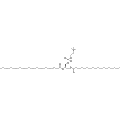
    SDPC (DHA-PC) is a PPARγ activator that demonstrates significant anti-angiogenic properties. This phospholipid, featuring an ester bond with docosahexaenoic acid (DHA) at the sn-2 position, effectively inhibits the proliferation, migration, and tube formation of human umbilical vein endothelial cells. SDPC holds potential for applications in anti-tumor angiogenesis research, making it a valuable tool for studying tumor progression and vascular growth inhibition.

    1 mg
    $85.00
    5 mg
    $190.00
    All 6 sizes
  • (10E,12Z)-Octadeca-10,12-dienoic acid
    Cat. No.
    A39935

    (10E,12Z)-Octadeca-10,12-dienoic acid

    Synonyms: trans-10,cis-12 CLA2

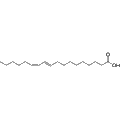
    (10E,12Z)-Octadeca-10,12-dienoic acid is a potent PPARα activator that plays a critical role in regulating lipid metabolism and adipocyte differentiation. This compound has demonstrated various biological activities, including antioxidant and antitumor effects, alongside the induction of proinflammatory cytokines and chemokines, which may contribute to decreased adipogenesis and insulin resistance. (10E,12Z)-Octadeca-10,12-dienoic acid also influences milk fat synthesis by reducing the expression of lipogenic enzymes and inhibiting fatty acid desaturation. Additionally, it has been shown to modulate lipoprotein lipase activity in cultured adipocytes and alter hepatic stearoyl-CoA desaturase expression in vivo.

    25 mg
    $400.00
    All 1 sizes
  • 2-(Tetradecylthio)acetic acid
    Cat. No.
    A39955

    2-(Tetradecylthio)acetic acid

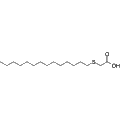
    2-(Tetradecylthio)acetic acid is a pan-peroxisome proliferator-activated receptor (pan-PPAR) activator. This compound is known to induce hypolipidemia by reducing plasma lipid levels and enhancing hepatic fatty acid oxidation in rodent models. Additionally, it increases the expression of genes associated with fatty acid uptake, activation, accumulation, and oxidation, making it a valuable tool for research on lipid metabolism and related disorders.

    5 mg
    $30.00
    10 mg
    $55.00
    All 7 sizes
  • 8(S)-HETE
    Cat. No.
    A39964

    8(S)-HETE

    Synonyms: 8(S)-Hydroxyeicosatetraenoic acid

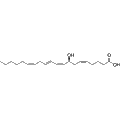
    8(S)-HETE (8(S)-Hydroxyeicosatetraenoic acid) primarily acts as a PPARα activator, with demonstrated biological activity in stimulating mouse keratinocyte protein kinase C at an IC50 of 100 μM. This compound selectively activates PPARα at concentrations as low as 0.3 μM, making it valuable for research into skin biology and inflammatory responses. The stereochemical assignment of the (S) enantiomer is confirmed through chiral HPLC retention time comparisons with established data.

    0.025 mg
    $265.00
    0.05 mg
    $480.00
    All 3 sizes
  • SP4f
    Cat. No.
    A39987

    SP4f

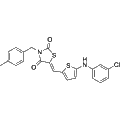
    SP4f is a potent PPAR-γ activator, exhibiting an EC50 of 826 nM in HK-2 cells. This compound has been shown to lower blood glucose levels and decrease lipid peroxidation, while also enhancing glutathione levels and catalase activity in Swiss albino mice. SP4f is valuable for research focused on metabolic regulation, diabetes, and oxidative stress.

    5 mg
    $175.00
    10 mg
    $285.00
    All 3 sizes
  • 20-Carboxyarachidonic acid
    Cat. No.
    A40014

    20-Carboxyarachidonic acid

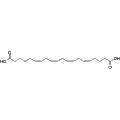
    20-Carboxyarachidonic acid is an endogenous dual activator of PPARalpha and PPARgamma. As a stable metabolite of 20-HETE, it plays a significant role in regulating lipid metabolism and inflammation. This compound is utilized in research exploring metabolic disorders, cardiovascular diseases, and the modulation of inflammatory responses.

    0.025 mg
    $395.00
    0.05 mg
    $1,225.00
    All 3 sizes
  • SP4e
    Cat. No.
    A40017

    SP4e

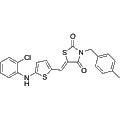
    SP4e is a selective activator of peroxisome proliferator-activated receptor gamma (PPAR-γ), exhibiting an EC50 of 739 nM in HK-2 cells. This compound displays significant biological activity by lowering blood glucose levels and reducing lipid peroxidation, while simultaneously enhancing glutathione levels and catalase activity in Swiss albino mice. SP4e can be employed in research focused on metabolic disorders, oxidative stress, and related therapeutic pathways.

    5 mg
    $175.00
    10 mg
    $285.00
    All 3 sizes
  • E17241
    Cat. No.
    A40018

    E17241

    E17241 is an inducer of ATP-binding cassette transporter A1 (ABCA1) that significantly enhances ABCA1 protein levels in RAW 264.7 macrophages. It also acts as an agonist for peroxisome proliferator-activated receptors (PPARs), contributing to metabolic regulation. Notably, E17241 has demonstrated the capability to reduce plasma glucose levels and body weight in KKAy diabetic mice subjected to a high-fat and high-glucose diet, making it a valuable reagent for research on lipid metabolism and diabetes management.

    100 mg
    $940.00
    All 1 sizes
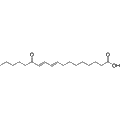
  • 13-Oxo-9E,11E-octadecadienoic acid
    Cat. No.
    A40025

    13-Oxo-9E,11E-octadecadienoic acid

    13-Oxo-9E,11E-octadecadienoic acid acts as a potent PPARα activator and is derived from tomato juice. This compound has demonstrated the ability to reduce plasma and hepatic triglyceride levels in obese diabetic mouse models. Its applications in research include the study of metabolic disorders and potential therapeutic strategies for obesity-related conditions.

    1 mg
    $175.00
    5 mg
    $420.00
    All 5 sizes
  • E0924G
    Cat. No.
    A40027

    E0924G

    E0924G is an orally active PPARδ activator with an EC50 of 2.82 μM. This compound effectively induces the upregulation of osteoprotegerin (OPG) with an EC50 of 0.29 μM, demonstrating significant inhibition of RANKL-induced osteoclast differentiation and F-actin ring formation in RAW264.7 macrophages. E0924G has potential applications in research focused on bone density regulation and the treatment of bone loss in models of ovariectomized and age-related osteoporosis.

    5 mg
    $25.00
    10 mg
    $40.00
    All 5 sizes
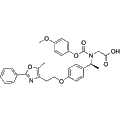
  • Peliglitazar
    Cat. No.
    A40051

    Peliglitazar

    Synonyms: BMS 426707-01

    Peliglitazar is a dual alpha and gamma peroxisome proliferator-activated receptor (PPAR) activator. It promotes insulin sensitivity and lipid metabolism, making it valuable in the study of metabolic disorders such as type 2 diabetes and obesity. Research applications include investigating the molecular mechanisms of PPAR signaling and developing therapeutic strategies for related conditions.

    25 mg
    $1,530.00
    50 mg
    $1,950.00
    All 3 sizes
  • NC-2100
    Cat. No.
    A40065

    NC-2100

    NC-2100 is a selective peroxisome proliferator-activated receptor (PPAR) activator. It has demonstrated efficacy in reducing plasma glucose and triglyceride levels in obese KKAy mice, making it a valuable tool for studying metabolic disorders. Additionally, NC-2100 induces the expression of uncoupling proteins UCP1 and UCP2 in mesenteric and subcutaneous white adipose tissue. This compound is suitable for research applications related to type 2 diabetes and metabolic regulation.

    25 mg
    $1,275.00
    50 mg
    $1,625.00
    All 3 sizes
  • Ronifibrate
    Cat. No.
    A40073

    Ronifibrate

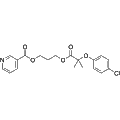
    Ronifibrate is a fibrate that acts as a PPARα activator, effectively modulating lipid metabolism. It is primarily utilized in research focused on hyperlipidemia and the associated metabolic disorders. By activating PPARα, Ronifibrate influences fatty acid oxidation and lipoprotein metabolism, making it a valuable tool for studying dyslipidemia and cardiovascular risks.

    25 mg
    $1,275.00
    50 mg
    $1,625.00
    All 3 sizes
  • Apo-12'-lycopenal
    Cat. No.
    A40105

    Apo-12'-lycopenal

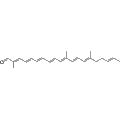
    Apo-12'-lycopenal is a metabolite of Lycopene acting as a PPAR-γ activator. It is known to enhance adipocyte differentiation and stimulate adiponectin secretion, making it of interest in studies related to metabolic regulation and obesity research. Its role in modulating PPAR-γ activity positions it as a valuable tool for investigating lipid metabolism and insulin sensitivity.

    Out of stock

    All 3 sizes
  • GW-9820
    Cat. No.
    A40117

    GW-9820

    GW-9820 is a potent activator of both PPARα and PPARγ, exhibiting EC50 values of 0.37 μM and 0.288 μM, respectively. This compound has been shown to enhance the expression of CLA-1, a key player in lipid metabolism and inflammation. GW-9820 is primarily utilized in research focused on atherosclerosis, offering insights into the modulation of metabolic pathways linked to cardiovascular diseases.

    25 mg
    $1,275.00
    All 1 sizes

Items 1-25 of 31

Added to your cart

View Cart Checkout

    Loading...