Tyrosinase

Tyrosinase inhibitors act on the copper-containing oxidase that catalyzes the first steps of melanin synthesis. Tyrosinase hydroxylates L-tyrosine to L-3,4-dihydroxyphenylalanine (L-DOPA) and oxidizes L-DOPA to dopaquinone, which then forms melanin pigments. Together with the tyrosinase-related proteins, it sets the type and amount of melanin made in mammalian melanocytes. Mushroom tyrosinase from Agaricus bisporus is a common assay enzyme, and its crystal structure with the inhibitor tropolone was reported in 2011. Arbutin, α-arbutin and deoxyarbutin are hydroquinone glycosides used in pigmentation and skin biology research. 4-Butylresorcinol, aloin and the cinnamic acid ester methyl cinnamate are further tyrosinase inhibitors in the list. The list also contains kinase inhibitors such as XMD8-87, which targets tyrosine kinase non-receptor 2 (TNK2).

1 Item

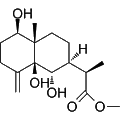
  • 5-epi-Arvestonate A
    Cat. No.
    A78103

    5-epi-Arvestonate A

    5-epi-Arvestonate A is a sesquiterpenoid that acts as a tyrosinase activator, enhancing melanogenesis through the activation of the microphthalmia-associated transcription factor (MITF) and genes within the tyrosinase family. This compound furthermore exhibits anti-inflammatory properties by inhibiting the expression of interferon-gamma (IFN-γ)-chemokine through the JAK/STAT signaling pathway in immortalized human keratinocyte (HaCaT) cells. Its biological activity makes it a valuable reagent for research in dermatological studies and pigmentation processes.

    Out of stock

    All 3 sizes

1 Item

Added to your cart

View Cart Checkout

    Loading...