- Cat. No.
- A10058
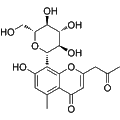
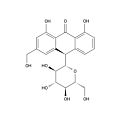
Aloin (Barbaloin)
Synonyms: Barbaloin
Aloin (Barbaloin) is a yellow crystalline substance obtained from aloe and is reported to be a potent inhibitors of tyrosinase.
Search by product name, CAS, target or catalog number. Press Down Arrow to reach product suggestions, Tab to move between links, and Escape to close suggestions.
Tyrosinase inhibitors act on the copper-containing oxidase that catalyzes the first steps of melanin synthesis. Tyrosinase hydroxylates L-tyrosine to L-3,4-dihydroxyphenylalanine (L-DOPA) and oxidizes L-DOPA to dopaquinone, which then forms melanin pigments. Together with the tyrosinase-related proteins, it sets the type and amount of melanin made in mammalian melanocytes. Mushroom tyrosinase from Agaricus bisporus is a common assay enzyme, and its crystal structure with the inhibitor tropolone was reported in 2011. Arbutin, α-arbutin and deoxyarbutin are hydroquinone glycosides used in pigmentation and skin biology research. 4-Butylresorcinol, aloin and the cinnamic acid ester methyl cinnamate are further tyrosinase inhibitors in the list. The list also contains kinase inhibitors such as XMD8-87, which targets tyrosine kinase non-receptor 2 (TNK2).
Synonyms: Barbaloin
Aloin (Barbaloin) is a yellow crystalline substance obtained from aloe and is reported to be a potent inhibitors of tyrosinase.
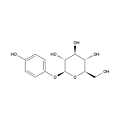
Synonyms: Uva; Ursi; Hydroquinone β-D-glucopyranoside; p-Arbutin
Arbutin is a glycosylated hydroquinone used in traditional Chinese medicine (TCM). Arbutin inhibits melanin formation due to its tyrosinase inhibitory activity.
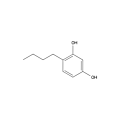
Synonyms: Butylresorcinol
4-Butylresorcinol is a phenol derivative which can inhibit tyrosinase with IC50 of 11.27 μM.
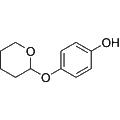
Deoxyarbutin is a potent tyrosinase inhibitor, primarily utilized in dermatological and cancer research. It promotes apoptosis in melanoma cells and enhances the vitality of mouse acinar cells, exhibiting significant skin whitening effects and anti-tumor activity. This compound is valuable for studies focused on skin disorders and melanoma treatment strategies.
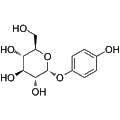
Synonyms: 4-Hydroxyphenyl α-D-glucopyranoside
α-Arbutin (4-Hydroxyphenyl α-D-glucopyranoside) is a potent tyrosinase inhibitor known for its ability to reduce melanin production, making it a valuable agent in skin lightening applications. This compound is of significant interest in research surrounding hyperpigmentation disorders, various cancer types, central nervous system disorders, osteoporosis, and diabetes, offering potential therapeutic insights into these conditions. Its mechanism of action provides a basis for exploring innovative treatments and understanding skin-related pathologies.
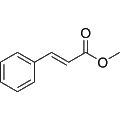
Synonyms: Methyl 3-phenylpropenoate
Methyl cinnamate (Methyl 3-phenylpropenoate) is an effective tyrosinase inhibitor, primarily utilized to prevent enzymatic browning in food products. In addition to its role in food applications, it demonstrates antimicrobial properties and exhibits antiadipogenic effects, partly mediated by the CaMKK2-AMPK signaling pathway. This compound is valuable for researchers exploring therapeutic strategies in skin pigmentation disorders and metabolic regulation.
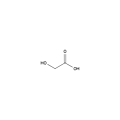
Synonyms: Hydroxyacetic acid; Hydroxyethanoic acid; Glycollic acid
Hydroxyacetic acid is a dermatologic agent. It has also been used as a plant-tissue based biosensor and chemiluminescence flow sensor.
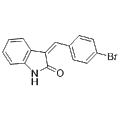
SU 4942 is a tyrosine kinase signal transduction modulator, targeting VEGF and ECGF.
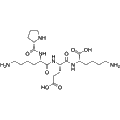
Tetrapeptide-30 is a skin-brightening peptide consisting of four amino acids. Tetrapeptide-30 can act as a tyrosinase inhibitor, lightening hyperpigmentation and evening out skin tone by reducing the amount of tyrosinase and inhibiting melanocyte activation.
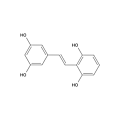
Gnetol is a bioactive phenolic compound isolated from the root of *Gnetum montanum* with diverse pharmacological properties. It potently inhibits cyclooxygenase-1 (COX-1) with an IC₅₀ of 0.78 μM and exhibits histone deacetylase (HDAC) inhibitory activity. Gnetol is also a strong tyrosinase inhibitor, with an IC₅₀ of 4.5 μM against murine tyrosinase, leading to suppression of melanin biosynthesis. In addition to its antioxidant, antiproliferative, anticancer, and hepatoprotective effects, Gnetol modulates metabolic enzymes in a concentration-dependent manner, including α-amylase, α-glucosidase, and adipogenesis pathways, making it a promising candidate for research in oncology, dermatology, and metabolic disorders.
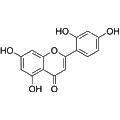
Norartocarpetin is a potent tyrosinase inhibitor, demonstrating significant inhibition with an IC50 value of 0.47 μM. This compound serves as an effective antibrowning agent for food systems research and exhibits notable anticancer activity against lung carcinoma cells (NCI-H460) with an IC50 of 22 μM. Its antiproliferative effects are mediated through targeting the Ras/Raf/MAPK signaling pathway, inducing mitochondrial-mediated apoptosis, causing S-phase cell cycle arrest, and inhibiting cell migration and invasion in human lung carcinoma cells.
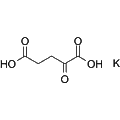
Synonyms: Alpha-Ketoglutaric acid potassium
2-Ketoglutaric Acid Potassium is a reversible and orally active inhibitor of tyrosinase, exhibiting an IC50 value of 15 mM. As a key intermediate in the Krebs cycle, it plays a role in ATP and GTP production and serves as a major carbon skeleton for nitrogen-assimilatory reactions. In addition to its enzymatic inhibition, 2-Ketoglutaric Acid Potassium has demonstrated the ability to suppress abnormal intestinal permeability and the expression of TNFα, both in vitro and in vivo. Its therapeutic applications extend to alleviating symptoms of inflammatory bowel disease (IBD) and rebalance of gut microbiota.
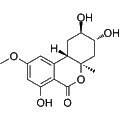
Dihydroaltenuene B is a potent inhibitor of mushroom tyrosinase, exhibiting an IC50 of 38.33 µM. This compound interacts with active site residues, including His244, Met280, and Gly281, through hydrogen bonding with its 3-OH and 4'-OH groups. Dihydroaltenuene B serves as a valuable reagent for investigating tyrosinase-related enzymatic processes and offers potential applications in skin-whitening agents and studies on melanin biosynthesis inhibition.
Synonyms: Aloeresin
Aloesin is a potent tyrosinase inhibitor known for its diverse biological activities, including anti-inflammatory effects and ultraviolet protection. Additionally, it exhibits antibacterial properties and has been shown to induce apoptosis in various cancer cell lines, making it a valuable compound for research in ovarian cancer and related studies. Its multifunctional profile provides a broad spectrum of applications in both dermatological and oncology research.
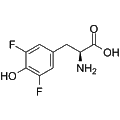
3,5-Difluoro-L-tyrosine is a functional mimetic of tyrosine that exhibits resistance to tyrosinase. This compound is utilized to investigate the substrate specificity of protein tyrosine phosphatases (PTPs), making it valuable for research into tyrosine phosphorylation pathways and their regulatory mechanisms.
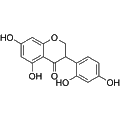
Dalbergioidin is a potent tyrosinase inhibitor that demonstrates significant activity through its ability to modulate enzymatic processes related to melanin biosynthesis. This compound has been shown to ameliorate renal fibrosis induced by doxorubicin by suppressing the TGF-β signaling pathway. Dalbergioidin's potential applications include studies focused on skin disorders and the regulation of pigmentation.
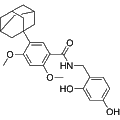
AP736 is a potent inhibitor of tyrosinase, exhibiting an IC50 value of 0.9 μM, and demonstrates significant anti-melanogenesis activity in normal human melanocytes with an IC50 of 0.11 μM. By inhibiting the cAMP-PKA-CREB signaling pathway, AP736 effectively reduces the expression of tyrosinase and TRP-1/2, leading to a decrease in microphthalmia-associated transcription factor (MITF) transcripts and proteins. This compound is suitable for investigations into melanogenesis and the underlying mechanisms of hyperpigmentation.
Out of stock
All 3 sizes
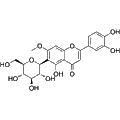
Swertiajaponin is a potent tyrosinase inhibitor that interacts with the enzyme's binding pocket through hydrogen bonding and hydrophobic interactions, exhibiting an IC50 of 43.47 μM. It effectively inhibits oxidative stress-mediated MAPK/MITF signaling pathways, resulting in a reduction of tyrosinase protein levels. Additionally, Swertiajaponin demonstrates strong anti-oxidative activity and suppresses melanin accumulation, making it a valuable tool for research aimed at understanding pigmentation disorders and oxidative stress.
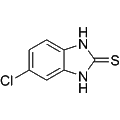
Synonyms: 5-Chloro-2-mercaptobenzimidazole
Tyrosinase-IN-22 is a potent inhibitor of the enzyme tyrosinase, effectively targeting its substrates L-tyrosine and L-DOPA with IC50 values of 60 nM and 30 nM, respectively. This compound exhibits significant antioxidant and anti-melanogenic properties, making it valuable for research in skin pigmentation disorders and oxidative stress studies. Its ability to modulate tyrosinase activity positions it as a useful tool in the investigation of melanin synthesis and related biological pathways.
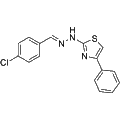
Tyrosinase-IN-12 is a potent non-competitive inhibitor of tyrosinase, demonstrating an IC50 value of 49.33 ± 2.64 µM and a Ki value of 31.25 ± 0.25 µM. This compound exhibits strong radical scavenging activity, effectively reducing the production of reactive oxygen species (ROS) with an IC50 of 25.39 ± 0.77 µM. Tyrosinase-IN-12 is applicable in research focusing on the mitigation of browning in food products and agricultural applications.
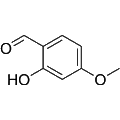
2-Hydroxy-4-methoxybenzaldehyde is a potent inhibitor of the enzyme tyrosinase, which is crucial in melanin biosynthesis. This compound plays a significant role in research pertaining to pigmentation disorders and skin-related applications. Additionally, it can be utilized as a precursor for the synthesis of Urolithin M7, expanding its utility in biochemical studies.
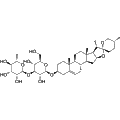
Polyphyllin C is a spirostanol saponin that acts as a tyrosinase inhibitor. It demonstrates mild inhibitory activity against tyrosinase with an IC50 of 36.87 µM. Additionally, Polyphyllin C exhibits moderate antileishmanial effects, with an IC50 of 1.59 µg/mL, making it a candidate for research in skin pigmentation disorders and leishmaniasis treatment.
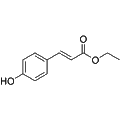
Synonyms: Ethyl (E)-p-hydroxycinnamate; Ethyl trans-4-hydroxycinnamate
p-Coumaric Acid Ethyl Ester serves as a non-competitive, reversible inhibitor of tyrosinase, with an IC50 value of 4.89 μg/mL and a Ki of 1.83 μg/mL. This compound quells the intrinsic fluorescence of the enzyme and alters the binding affinity of L-tyrosine by inducing conformational changes within the catalytic domain without interfering with the copper ion binding. p-Coumaric Acid Ethyl Ester has applications in the development of pharmaceuticals, cosmetics, and fruit preservation products.
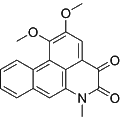
Cepharadione B is a natural tyrosinase inhibitor derived from the leaves of Piper sanctum, exhibiting an IC50 value of 170 μM. This compound demonstrates significant inhibitory effects on cell growth in various cancer cell lines, including A-549, SK-OV-3, SK-MEL-2, XF-498, and HCT-15. Cepharadione B is valuable for research exploring pigmentation processes, melanoma, and potential therapeutic interventions against cancer.
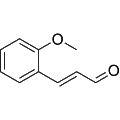
Synonyms: (E)-o-Methoxycinnamaldehyde
(E)-2-Methoxycinnamaldehyde is a potent inhibitor of tyrosinase, demonstrating an IC50 of 0.42 mM for mushroom tyrosinase. Isolated from the twigs of Cinnamomum cassia, this compound is relevant in the study of melanin biosynthesis as well as potential applications in skin depigmentation. Additionally, (E)-2-Methoxycinnamaldehyde has been investigated for its role in Parkinson's disease research, providing insights into neuroprotective strategies.