
- Cat. No.
- A17202
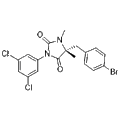
BIRT-377
BIRT-377 is a negative allosteric modulator of LFA-1.
In stock
View Details
Search by product name, CAS, target or catalog number. Press Down Arrow to reach product suggestions, Tab to move between links, and Escape to close suggestions.
Integrin inhibitors block the heterodimeric adhesion receptors that link the extracellular matrix to the cytoskeleton. Each integrin pairs one alpha and one beta subunit, and signals pass across the membrane in both directions. Many integrins recognize the arginine-glycine-aspartate (RGD) sequence, first identified as the cell attachment site of fibronectin. RGD (Arg-Gly-Asp) Peptides and the cyclic peptide cilengitide compete for this site on αvβ3 and αvβ5. Firategrast antagonizes α4β1 and α4β7, integrins involved in leukocyte trafficking. Tirofiban hydrochloride hydrate blocks the platelet integrin αIIbβ3, also known as glycoprotein IIb/IIIa. Obtustatin, a snake venom disintegrin, selectively inhibits the collagen receptor α1β1.
BIRT-377 is a negative allosteric modulator of LFA-1.
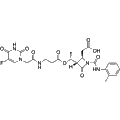
α5β1 integrin agonist-1 is a potent agonist of the α5β1 integrin, exhibiting an EC50 of 1.5 nM. This compound also inhibits α4β1 integrin activity with an IC50 of 2.99 μM, as demonstrated in Jurkat/VCAM-1 adhesion assays. α5β1 integrin agonist-1 induces concentration-dependent apoptosis and activates the caspase 3/7 pathway in α5β1 integrin-expressing K562 cancer cells. This reagent is suitable for investigations into cancer biology, particularly in studies focusing on integrin-mediated signaling pathways.
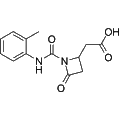
Integrin Modulator 1 is a selective agonist for the α4β1 integrin, exhibiting an IC50 of 9.8 nM for RGD-binding activity. This compound promotes enhanced cell adhesion through α4β1 integrin with an EC50 of 12.9 nM. Its biological activity makes it valuable for research applications focused on cell adhesion processes and integrin-related signaling pathways.
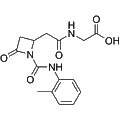
LT25 is an agonist of the α5β1 integrin, exhibiting an EC50 value of 9.9 nM. This compound promotes cell adhesion and migration through the activation of α5β1 integrin, making it valuable for research applications related to cancer metastasis, tissue engineering, and regenerative medicine. Its ability to modulate integrin activity makes LT25 an essential tool for studying cell-extracellular matrix interactions.
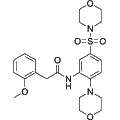
α7β1 integrin modulator-1 is a potent modulator of the α7β1 integrin, a crucial receptor involved in cell adhesion and signaling. This compound shows promise in enhancing muscle regeneration and function, making it a valuable tool for research into muscular dystrophy and related muscle-wasting diseases. Its modulatory effects on integrin activity may elucidate mechanisms underlying muscular disorders and aid in the development of therapeutic strategies.