DNA Alkylator

DNA alkylators are a class of compounds that can add alkyl groups (e.g., methyl or ethyl groups) to the DNA molecule, leading to DNA damage. This modification can result in mispairing or prevention of DNA replication, which can lead to cell death. Given their ability to damage DNA, alkylating agents are used as chemotherapy drugs to treat various cancers. However, their use can also be associated with significant side effects, as they can damage normal cells in addition to cancer cells. Popular examples of alkylating agents include cyclophosphamide, melphalan, and busulfan.


3 Items

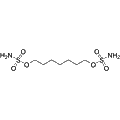
  • Hepsulfam
    Cat. No.
    A37312

    Hepsulfam

    Synonyms: NCI 329680; ZINC01574758

    Hepsulfam is a potent DNA alkylator and crosslinker inducer. It demonstrates significant antileukemic activity, with a median IC50 of 0.91 μg/mL across various tumor types. This compound is primarily utilized in cancer research to investigate mechanisms of DNA damage and repair, as well as to evaluate its potential in therapeutic applications against leukemia.

    2 mg
    $115.00
    5 mg
    $150.00
    All 7 sizes
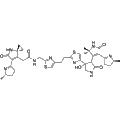
  • Colibactin 742
    Cat. No.
    A37341

    Colibactin 742

    Colibactin 742 is a potent DNA alkylator and crosslinker inducer that covalently targets DNA, exhibiting an IC50 of 5.2 μM in human cervical cancer cells (HeLa). This compound forms interstrand crosslinks, thereby activating the Fanconi anemia DNA repair pathway and promoting the formation of γH2AX and FANCD2 foci, which can lead to cell cycle arrest. Colibactin 742 serves as a valuable tool for investigations into colorectal cancer, microbial tumorigenesis, DNA damage repair mechanisms, and the study of mutation signatures, effectively mimicking the genotoxic effects of natural Colibactin while providing enhanced stability.

    5 mg
    $5,725.00
    All 1 sizes
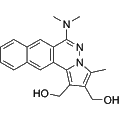
  • Anticancer agent 11
    Cat. No.
    A37381

    Anticancer agent 11

    Anticancer agent 11 functions as a DNA alkylator and crosslinker inducer, exhibiting broad-spectrum anticancer activity. This compound inhibits angiogenesis and promotes the formation of DNA cross-links, leading to disruptions in DNA replication and repair processes. It has potential applications in cancer research, particularly in the study of tumor biology and the development of novel therapeutic strategies.

    Out of stock

    All 3 sizes

3 Items

Added to your cart

View Cart Checkout

    Loading...