MTH1

MTH1 inhibitors and degraders target nudix hydrolase 1 (NUDT1, also called MTH1), which removes oxidized nucleotides. MTH1 hydrolyzes oxidized precursors such as 8-oxo-2'-deoxyguanosine triphosphate (8-oxo-dGTP), which keeps them out of newly synthesized DNA. In 2014 TH588 and TH287 were introduced as MTH1 inhibitors that increase oxidative damage in cancer cell DNA. A second 2014 study showed that (S)-crizotinib, the enantiomer of the anaplastic lymphoma kinase (ALK) inhibitor crizotinib, binds MTH1 stereospecifically. Later selective inhibitors such as BAY-707 and IACS-4619 were used to reexamine whether MTH1 inhibition alone reduces cancer cell survival. SU0383 inhibits both MTH1 and 8-oxoguanine DNA glycosylase 1 (OGG1). aTAG 4531 and aTAG 2139 are MTH1-binding degraders used to remove MTH1-tagged fusion proteins in targeted degradation studies.

2 Items

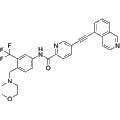
  • MTH1 activator-1
    Cat. No.
    A37982

    MTH1 activator-1

    MTH1 activator-1 is a potent activator of MTH1, a critical enzyme involved in the repair of oxidative damage to nucleotide pools. This compound significantly enhances endogenous MTH1 activity, leading to reduced levels of 8-oxo-dG in cellular DNA. MTH1 activator-1 serves as a valuable tool for investigating the cellular and biological implications of enhanced oxidative damage repair, and it may provide insights into strategies for delaying or preventing tumorigenesis.

    5 mg
    $215.00
    10 mg
    $355.00
    All 5 sizes
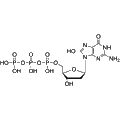
  • 8-Oxo-dGTP
    Cat. No.
    A39260

    8-Oxo-dGTP

    Synonyms: 8-Oxo-Deoxyguanosine triphosphate

    8-Oxo-dGTP (8-Oxo-Deoxyguanosine triphosphate) is a reactive oxidized guanine nucleotide that serves as a substrate for MTH1 and other pyrophosphohydrolases. This compound is known to act as a mutagen, integrating into DNA and leading to A:T to C:G transversions, which can contribute to genomic instability. Additionally, 8-Oxo-dGTP can provoke oxidative DNA modifications, strand breaks, and the promotion of apoptosis, particularly in mth1-deficient organisms. Its accumulation is linked to various biological processes and is extensively utilized in research on carcinogenesis, neurodegenerative diseases, and other pathologies.

    Out of stock

    All 3 sizes

2 Items

Added to your cart

View Cart Checkout

    Loading...