Nucleoside Antimetabolite/Analog

Nucleoside analogs and antimetabolites are modified nucleosides resembling the natural building blocks of DNA and RNA. Changes to the base or the sugar let them interfere with nucleotide metabolism and nucleic acid synthesis. After phosphorylation in cells, many are incorporated into DNA or RNA, or inhibit polymerases and cause chain termination. Cytarabine hydrochloride, which carries an arabinose sugar, is used to study inhibition of DNA synthesis. Zalcitabine, a dideoxynucleoside, is used in research on viral reverse transcriptase. The category also covers naturally modified nucleosides such as 3-methylcytidine and N6,N6-dimethyladenosine. These serve as reference compounds in studies of RNA modification and DNA damage.

2 Items

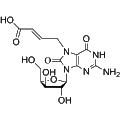
  • TLR7 agonist 11
    Cat. No.
    A55374

    TLR7 agonist 11

    TLR7 agonist 11 is a purine nucleoside analog that engages Toll-like receptor 7 (TLR7). This compound exhibits broad antitumor activity, particularly against indolent lymphoid malignancies. Its mechanisms of action include the inhibition of DNA synthesis and the induction of apoptosis, making it a valuable tool for cancer research and therapeutic studies.

    Out of stock

    All 3 sizes
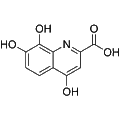
  • 7,8-Dihydroxykynurenate
    Cat. No.
    A55736

    7,8-Dihydroxykynurenate

    7,8-Dihydroxykynurenate is a key metabolite in the tryptophan metabolic pathway, acting as an agonist of the NMDA receptor. It has been shown to exhibit neuroprotective effects and can modulate glutamate activity, making it valuable for research in neurobiology and psychiatric disorders. This compound is useful in studying the role of tryptophan derivatives in cellular signaling and excitotoxicity.

    Out of stock

    All 3 sizes

2 Items

Added to your cart

View Cart Checkout

    Loading...