Glucocorticoid Receptors

Glucocorticoid receptor agonists and antagonists act on the nuclear receptor activated by cortisol. The glucocorticoid receptor (GR) is a ligand-activated transcription factor that controls genes for metabolism, stress responses and inflammation. Cloning of the human GR complementary DNA in 1985 placed it in the steroid hormone receptor family. A 2002 crystal structure of its ligand-binding domain with dexamethasone revealed a new dimer interface and mode of coactivator binding. The category covers the endogenous hormone hydrocortisone (cortisol) and synthetic agonists such as dexamethasone, budesonide and fluticasone propionate. The antagonist mifepristone, by contrast, blocks both glucocorticoid and progesterone receptors. Some entries act mainly on other targets, such as the progestin levonorgestrel and GANT61, an antagonist of glioma-associated oncogene (GLI) transcription factors.

1 Item

  • Hydrocortisone phosphate
    Cat. No.
    A36311

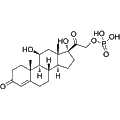
    Hydrocortisone phosphate

    Synonyms: Hydrocortisone 21-phosphate; Cortisol 21-phosphate

    Hydrocortisone phosphate is a glucocorticoid derivative that acts as a substrate for alkaline phosphatase, facilitating the hydrolysis of steroid phosphates. It has been shown to enhance serum luteinizing hormone (LH) levels and increase the activity of magnesium-dependent polymerases within the nucleolus. This compound is valuable for research applications focused on steroid metabolism and hormonal regulation in various biological tissues. Its role in phosphatase activity has been validated in adult mouse tissues, providing insight into enzymatic processes involved in steroid signaling.

    25 mg
    $1,275.00
    All 1 sizes

1 Item

Added to your cart

View Cart Checkout

    Loading...