FAP

Fibroblast activation protein (FAP) inhibitors and ligands target a protease of activated fibroblasts. FAP was described in 1990 as a cell surface glycoprotein of reactive stromal fibroblasts in human epithelial cancers. Its cloning in 1994 placed it in the serine protease family, close to dipeptidyl peptidase IV (DPP-IV). FAP cleaves peptides after proline residues, both as a dipeptidyl peptidase and as an endopeptidase. Ac-Gly-BoroPro and talabostat are boronic acid dipeptides, and talabostat also inhibits DPP-IV and related peptidases. FAPI-4, reported in 2018, is a quinoline-based FAP ligand developed for imaging research. Simlukafusp alfa is an immunocytokine that fuses an anti-FAP antibody to a variant interleukin-2 (IL-2).

2 Items

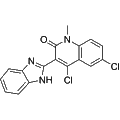
  • TFAP2β modulator-1
    Cat. No.
    A31454

    TFAP2β modulator-1

    TFAP2β modulator-1 is a potent modulator of the transcription factor TFAP2β, promoting its condensation through the induction of conformational changes within its intrinsically disordered region. This compound exhibits significant anti-tumor activity by inducing apoptosis in esophageal squamous cell carcinoma (ESCC) cells, as well as in relevant mouse models and organoids. TFAP2β modulator-1 serves as a valuable tool for investigating the role of TFAP2β in ESCC research and therapeutic development.

    Out of stock

    All 3 sizes
  • SID 125240931
    Cat. No.
    B18381

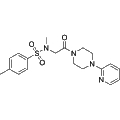
    SID 125240931

    SID 125240931 is a modulator of fluorogen activating proteins (FAPs), primarily targeting the interaction between fluorogens and FAP. This compound is designed to disrupt binding affinity, providing insights into FAP-mediated processes. It has potential applications in cellular imaging and monitoring protein interactions, making it a valuable tool for researchers in cell biology and molecular imaging studies.

    5 mg
    $80.00
    10 mg
    $125.00
    All 5 sizes

2 Items

Added to your cart

View Cart Checkout

    Loading...