
- Cat. No.
- A16300
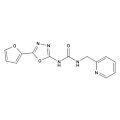
NK-252
NK-252 is a Nrf2 activator, exhibits a greater Nrf2-activating potential than OPZ.
Search by product name, CAS, target or catalog number. Press Down Arrow to reach product suggestions, Tab to move between links, and Escape to close suggestions.
Keap1-Nrf2 pathway activators and inhibitors act on the master regulator of the cellular antioxidant response. Kelch-like ECH-associated protein 1 (Keap1) binds nuclear factor erythroid 2-related factor 2 (Nrf2) and keeps it from accumulating in the nucleus. In 1997, Nrf2 and small Maf proteins were shown to induce detoxifying genes through antioxidant response elements (AREs). Electrophiles modify Keap1 cysteines, releasing Nrf2 to induce genes such as NAD(P)H quinone dehydrogenase 1 (NQO1). Activators include sulforaphane, an isothiocyanate isolated from broccoli in 1992, and dimethyl fumarate, oltipraz and the triterpenoid omaveloxolone. ML-385 inhibits Nrf2 itself, while dicoumarol blocks the downstream enzyme NQO1. Related oxidative stress tools are listed under Reactive Oxygen Species (ROS).
NK-252 is a Nrf2 activator, exhibits a greater Nrf2-activating potential than OPZ.
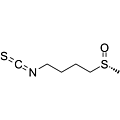
(R)-Sulforaphane is a highly potent inducer of the Keap1/Nrf2/ARE pathway. (R)-Sulforaphane is a far more potent inducer of the carcinogen-detoxifying enzyme systems in rat liver and lung than the S-isomer.
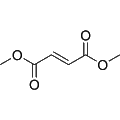
Dimethyl fumarate is an orally bioavailable Nrf2 activator that enhances the expression of antioxidant genes. This compound has been shown to induce necroptosis in colon cancer cells via mechanisms involving glutathione depletion, reactive oxygen species elevation, and activation of MAPK pathways. Additionally, Dimethyl fumarate promotes autophagy and is applicable in studies focused on multiple sclerosis and related neurodegenerative conditions.
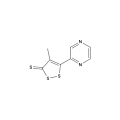
Synonyms: RP 35972; NSC 347901
Oltipraz inhibits HIF-1alpha activity and HIF-1alpha-dependent tumor growth, which may result from a decrease in HIF-1alpha stability through S6K1 inhibition in combination with an H2O2-scavenging effect.
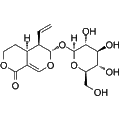
Sweroside, a potent Keap1/Nrf2 activator, is an iridoid glycoside that enhances Nrf2 nuclear translocation by competing with Keap1. This compound exhibits diverse biological activities, including antioxidant, anti-inflammatory, and anti-apoptotic effects, while regulating lipid metabolism. Sweroside's ability to inhibit oxidative stress and NLRP3-mediated pyroptosis, alongside its activation of the SIRT1 and AMPK/mTOR pathways, makes it valuable for investigating conditions such as myocardial ischemia-reperfusion injury, leukemia, acute lung injury, and non-alcoholic fatty liver disease.
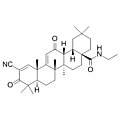
Synonyms: CDDO ethyl amide; RTA405; TP319
CDDO-EA is an activator of Nrf2/ARE; Neuroprotective effect.
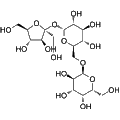
Synonyms: Melitose
Raffinose serves as an Nrf2 activator and is known for its ability to modulate intestinal flora. It inhibits the TLR4-MyD88-NF-κB signaling pathway while promoting Nrf2 signaling, contributing to its anti-inflammatory, antioxidant, and immunomodulatory properties. This compound is orally active and is valuable in research applications focusing on inflammation and oxidative stress.
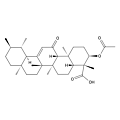
Synonyms: 3-O-acetyl-11-keto-β-Boswellic acid; 3-acetyl-11-keto-β-Boswellic acid
AKBA (Acetyl-11-keto-β-boswellic acid) is an active triterpenoid compound from the extract of Boswellia serrate and a novel Nrf2 activator.
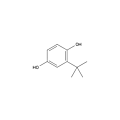
Synonyms: tert-Butylhydroquinone
TBHQ (tert-Butylhydroquinone) is a widely used Nrf2 activator, protects against Doxorubicin (DOX)-induced cardiotoxicity through activation of Nrf2.
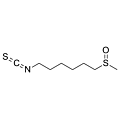
Hesperin is a bioactive ingredient present in Japanese horseradish (wasabi) and has been shown to be an Nrf2 activator.
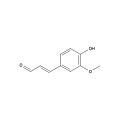
Synonyms: Ferulaldehyde
Coniferaldehyde (Ferulaldehyde), isolated from the ethanol extract of Vitex rotundifolia fruits, is an effective inducer of heme oxygenase-1 (HO-1).
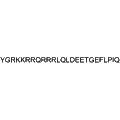
TAT-14 is a 14-mer peptide that functions as a Nrf2 activator with anti-inflammatory properties. It does not alter Nrf2 mRNA expression but increases Nrf2 protein levels by targeting the Nrf2 binding site on Keap1, thereby stabilizing Nrf2 and promoting its activation.
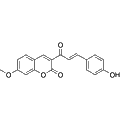
Nrf2 activator-21 is a potent activator of the Nrf2 pathway, which disrupts the Keap1-Nrf2 interaction, thereby promoting antioxidant defense mechanisms. This compound exhibits dual antioxidant and neuroprotective properties, significantly reducing apoptosis and caspase-3 activity in hippocampal neurons. Nrf2 activator-21 effectively targets cerebral ischemia/reperfusion injury (CIRI), enhancing neurological function, alleviating anxiety-like behavior, and improving memory in rat models subjected to 2-vessel occlusion (2VO). It serves as a valuable tool for investigating the therapeutic potential of Nrf2 activation in cerebral ischemic conditions.
Out of stock
All 3 sizes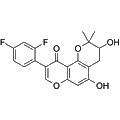
Nrf2/HO-1 activator 2 is a difluoro-substituted compound that functions as a potent activator of the Nrf2/HO-1 signaling pathway. It exhibits neuroprotective and antioxidant properties by promoting the phosphorylation of ERK1/2, JNK, and Akt, particularly in PC12 cells. This compound is valuable for research on neurodegenerative conditions, including Parkinson's disease.
Out of stock
All 3 sizes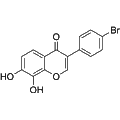
Keap1/Nrf2/ARE Activator 2 is a potent activator of the Keap1/Nrf2/ARE signaling pathway, promoting Nrf2 nuclear translocation. This compound has been demonstrated to upregulate antioxidant genes, thereby enhancing cellular defense against oxidative stress. Additionally, it exhibits significant neuroprotective effects against H2O2- and Scopolamine-induced neuronal injury in PC12 cells, as well as alleviating memory impairment and neuroinflammation associated with cognitive dysfunction in zebrafish models. Keap1/Nrf2/ARE Activator 2 is a valuable tool for research into Alzheimer's disease and associated neurodegenerative conditions.
Out of stock
All 3 sizes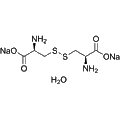
L-Cystine disodium monohydrate primarily functions as an Nrf2 activator and ROS inhibitor. It elevates Nrf2 protein expression and activates the Nrf2 transcription factor, leading to reduced reactive oxygen species (ROS) generation and protection against apoptosis caused by oxidants and Doxorubicin. Additionally, when combined with L-theanine, it enhances the production of antigen-specific IgG by increasing glutathione levels and promoting T helper 2-mediated responses in mice. This compound is valuable for research into cystinuria and the molecular mechanisms underlying kidney stone formation.
Out of stock
All 3 sizes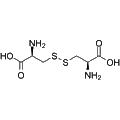
L-Cystine is an effective Nrf2 activator and reactive oxygen species (ROS) inhibitor. This extracellular form of L-Cysteine elevates Nrf2 protein expression and facilitates its transcriptional activity, thereby reducing ROS generation and providing protection against oxidant- or Doxorubicin-induced apoptosis. Additionally, L-Cystine has been shown to enhance antigen-specific IgG production and T helper 2 mediated responses through increased glutathione levels in murine models. This makes L-Cystine a valuable reagent for research in cystinuria and kidney stone formation.
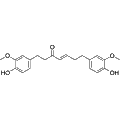
Gingerenone A is an Nrf2-Gpx4 activator that triggers ferroptosis in liver tissue, demonstrating significant potential for therapeutic intervention in liver damage. This compound exhibits notable anti-inflammatory, anti-diabetic, anti-tumor, and pro-aging properties observed in murine models, making it valuable for research in oxidative stress regulation and associated diseases. Its oral bioactivity further enhances its applicability in in vivo studies.
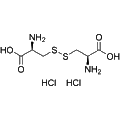
L-Cystine hydrochloride is an endogenous metabolite that serves as a potent Nrf2 activator and reactive oxygen species (ROS) inhibitor. It enhances Nrf2 protein expression, facilitating transcriptional responses that combat oxidative stress. Research indicates that L-Cystine hydrochloride reduces ROS generation and protects cells from apoptosis induced by oxidants or Doxorubicin. Additionally, its combination with L-theanine has been shown to boost antigen-specific IgG production by elevating glutathione levels and promoting T helper 2 (Th2) responses. This compound has significant potential for studying cystinuria and kidney stone formation.
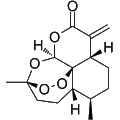
Artemisitene is a natural derivative of Artemisinin that functions as a Nrf2 activator. It enhances antioxidant and anticancer activities by reducing Nrf2 ubiquitination, thereby increasing its stability. This compound is utilized in research focused on oxidative stress, cancer biology, and the modulation of cellular defense mechanisms.
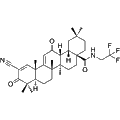
Synonyms: CDDO-Trifluoethyl amide; RTA 404; TP-500
CDDO-TFEA is a trifluoroacetamide derivative of CDDO and serves as a potent Keap1-Nrf2 activator. This compound effectively enhances Nrf2 expression and signaling in various models of neurodegenerative diseases, such as multiple sclerosis, amyotrophic lateral sclerosis, and Huntington's disease. In cancer research, CDDO-TFEA demonstrates significant biological activity by inducing apoptosis and inhibiting colony formation in Ewing's sarcoma and neuroblastoma cell lines, with IC50 values ranging from 85 to 170 nM.
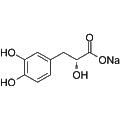
Synonyms: Dan shen suan A sodium; Salvianic acid A sodium
Danshensu sodium, a phenolic compound, serves as an Nrf2 activator, effectively inducing the Nrf2/HO-1 signaling pathway while inhibiting NF-κB activity. It diminishes reactive oxygen species (ROS) production, enhances antioxidant defenses, and suppresses intrinsic apoptosis. Additionally, Danshensu sodium exhibits significant antiviral properties against SARS-CoV-2, with an EC50 value of 0.97 μM. This compound is valuable for researching its anti-oxidative, anti-inflammatory, and anti-apoptotic effects, holding potential implications for COVID-19, cardiovascular, and cerebrovascular diseases.
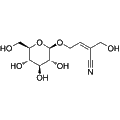
Synonyms: Sarmentosine; Sarmentosine (glycoside)
Sarmentosin is a potent activator of the Nrf2 pathway, which plays a crucial role in cellular defense against oxidative stress. This compound has been shown to inhibit mTOR signaling and promote autophagy-dependent apoptosis in human hepatocellular carcinoma (HCC) cells. Its ability to modulate these critical pathways makes Sarmentosin a valuable tool for research into cancer biology and potential therapeutic strategies.
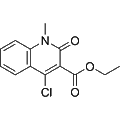
Nrf2 Activator-10 (Compound AI-1) acts as a PI3K-dependent inducer of the antioxidant response element (ARE), with an EC50 value of 2.7 μM, effectively activating Nrf2. By modifying Keap1 and inhibiting the Cul3-Keap1 ubiquitin ligase complex, Nrf2 Activator-10 enhances Nrf2 transcription and promotes cellular defense mechanisms. This compound is particularly valuable for research focused on oxidative stress and cytoprotection, demonstrating protective effects against H2O2-induced apoptosis.
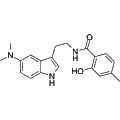
Nrf2 activator-11 is a potent Nrf2 activator that demonstrates blood-brain barrier permeability. This compound exhibits significant biological activities, including antioxidant, anti-inflammatory, anti-ferroptotic, and anti-apoptotic effects. Nrf2 activator-11 is particularly valuable for research involving cerebral ischemia-reperfusion injury models, providing insights into neuroprotective mechanisms and therapeutic interventions.