Glycerolipids

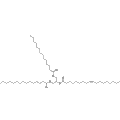
Glycerolipids are acylglycerols, in which one, two or three fatty acids are esterified to a glycerol backbone. Monoacylglycerols, diacylglycerols and triacylglycerols differ in the number of acyl chains and in the positions they occupy. Monoolein, a monoacylglycerol, forms cubic and other liquid crystalline phases in water and is used in membrane protein studies. Diacylglycerols include positional isomers such as 1,3-Dipalmitin and stereospecific species such as 1,2-Distearoyl-sn-glycerol. The sn-1,2-diacylglycerols act as second messengers that activate protein kinase C. Defined species such as 18:0-22:6 DG, a stearoyl and docosahexaenoyl diacylglycerol (DG), serve as lipidomics standards. Triacylglycerols, the main storage lipids of animals and plants, are represented by mixed-acid species.

21 Items

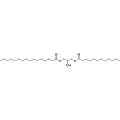
  • 1,3-Dipalmitin
    Cat. No.
    A71719

    1,3-Dipalmitin

    Synonyms: 1,3-Dipalmitoylglycerol; Glycerol 1,3-dipalmitate

    1,3-Dipalmitin, a diacylglycerol compound, serves as an effective adsorption inhibitor for 1,3-diglycerides and β-carotene. This lipid molecule is significant in studies involving lipid metabolism and cellular signaling pathways. It is utilized in various research applications, including investigations into energy storage and lipid absorption processes.

    10 mg
    $30.00
    25 mg
    $60.00
    All 4 sizes
  • 1,3-Capryloyl-2-oleoylglycerol
    Cat. No.
    A74337

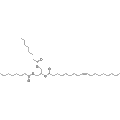
    1,3-Capryloyl-2-oleoylglycerol

    1,3-Capryloyl-2-oleoylglycerol is a triglyceride characterized by caprylic acid acylating the hydroxyl groups at the 1 and 3 positions of glycerol, while oleic acid modifies the 2 position. This compound exhibits key biological activity in lipid metabolism and serves as an important substrate in various biochemical assays. Its applications extend to studies involving lipogenesis, energy metabolism, and the modulation of lipid profiles in cellular models.

    1 mg
    $100.00
    5 mg
    $300.00
    All 4 sizes
  • 1,3-Dioleoyl-2-octanoyl glycerol
    Cat. No.
    A75894

    1,3-Dioleoyl-2-octanoyl glycerol

    Synonyms: 1,3-Olein-2-caprylin; 1,3-Oleoyl-2-capryloyl glycerol; TG(18:1/8:0/18:1)

    1,3-Dioleoyl-2-octanoyl glycerol is a triacylglycerol that serves as a substrate for the characterization of lipase activity, particularly in relation to the regioselective distribution of medium- and short-chain fatty acids. This compound can be utilized in biochemical assays to assess the enzymatic functionality of Rhizopus oryzae lipase, providing insights into lipid metabolism and enzymatic properties. It is particularly valuable for research focusing on lipid digestion and transesterification processes.

    10 mg
    $705.00
    All 1 sizes
  • 1,3-Didecanoylglycerol
    Cat. No.
    A75915

    1,3-Didecanoylglycerol

    Synonyms: 1,3-Dicaprin

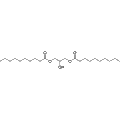
    1,3-Didecanoylglycerol, also known as 1,3-Dicaprin, functions as a triglyceride analog that serves as a substrate in pancreatic lipase hydrolysis reactions. Its key biological activity involves the modeling of triglyceride metabolism, making it a valuable tool for studies on lipid digestion and absorption. This compound is particularly useful in research applications focusing on enzyme kinetics and the biochemical pathways of lipid metabolism.

    1 mg
    $90.00
    5 mg
    $300.00
    All 4 sizes
  • 15:0-18:1-15:0 TG
    Cat. No.
    A89355

    15:0-18:1-15:0 TG

    Synonyms: 1,3-Dipentadecanoyl-2-oleoyl-glycerol

    15:0-18:1-15:0 TG, also known as 1,3-Dipentadecanoyl-2-oleoyl-glycerol, is a triglyceride that is essential in lipid metabolism studies. This compound serves as a model substrate for investigating the biochemical pathways involved in triglyceride synthesis and hydrolysis. Its unique structure, featuring both saturated and unsaturated fatty acid chains, makes it relevant for research in metabolic disorders, obesity, and cardiovascular diseases.

    Out of stock

    All 3 sizes
  • Trimyristolein
    Cat. No.
    A89844

    Trimyristolein

    Synonyms: 1,2,3-Trimyristoleoyl glycerol

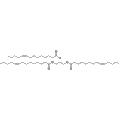
    Trimyristolein is a triacylglycerol that primarily targets lipid metabolism. Comprising three myristoleic acid moieties, this compound serves as a valuable substrate for studying lipid trafficking and storage in biological systems. It is utilized in research related to energy metabolism, obesity, and related metabolic disorders.

    1 mg
    $100.00
    5 mg
    $140.00
    All 5 sizes
  • 1-Palmitoyl-3-butyryl-rac-glycerol
    Cat. No.
    A89909

    1-Palmitoyl-3-butyryl-rac-glycerol

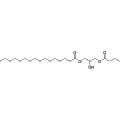
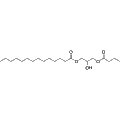
    1-Palmitoyl-3-butyryl-rac-glycerol is a diacylglycerol derivative formed from palmitic acid and butyric acid. This compound serves as an important substrate in studies of lipid metabolism and signaling pathways. Its unique structure allows for exploration of its role in cellular processes and potential implications in metabolic disorders and cancer research.

    1 mg
    $175.00
    5 mg
    $540.00
    All 3 sizes
  • Triheptadecanoin
    Cat. No.
    A92601

    Triheptadecanoin

    Synonyms: Glycerol triheptadecanoate; Trimargarin

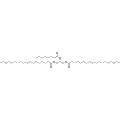
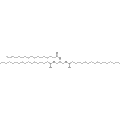
    Triheptadecanoin is a triacylglycerol composed of heptadecanoic acid at the sn-1, sn-2, and sn-3 positions. This compound serves as a key substrate for studying lipid metabolism and the biological roles of triacylglycerols. Its unique structure allows for applications in research related to energy storage, signaling pathways, and the synthesis of complex lipids.

    25 mg
    $20.00
    50 mg
    $35.00
    All 3 sizes
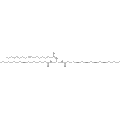
  • 1,2-Dioctanoyl-3-linoleoyl-rac-glycerol
    Cat. No.
    A93238

    1,2-Dioctanoyl-3-linoleoyl-rac-glycerol

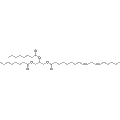
    1,2-Dioctanoyl-3-linoleoyl-rac-glycerol is a triacylglycerol characterized by the presence of octanoic acid and linoleic acid. This compound serves as a valuable substrate in biochemical research involving lipid metabolism and cellular energy storage. Its unique structure makes it useful for studies focused on the interplay between fatty acids and cellular signaling pathways.

    1 mg
    $100.00
    5 mg
    $300.00
    All 4 sizes
  • 1-Myristoyl-3-butyryl-rac-glycerol
    Cat. No.
    A93854

    1-Myristoyl-3-butyryl-rac-glycerol

    1-Myristoyl-3-butyryl-rac-glycerol is a diacylglycerol that features myristic acid at the sn-1 position and butyric acid at the sn-3 position. This compound is primarily involved in lipid signaling pathways and acts as a substrate for diacylglycerol kinases. It serves as an important reagent for research into cellular signaling mechanisms, metabolism, and the physiological roles of diacylglycerols in various biological processes.

    5 mg
    $150.00
    10 mg
    $240.00
    All 4 sizes
  • 1,2-Dioleoyl-sn-glycero-3-(cytidine diphosphate) ammonium
    Cat. No.
    A94111

    1,2-Dioleoyl-sn-glycero-3-(cytidine diphosphate) ammonium

    Synonyms: 18:1 CDP DG

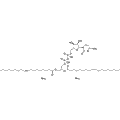
    1,2-Dioleoyl-sn-glycero-3-(cytidine diphosphate) ammonium is a diacylglycerol derivative that functions primarily as a substrate for various enzymatic reactions. This compound is crucial in studies related to lipid metabolism and membrane biology, where it can serve as a key player in the synthesis of phospholipids and signaling molecules. Additionally, it is used in research focused on cellular signaling pathways and the regulation of lipid-based signaling networks.

    Out of stock

    All 3 sizes
  • 1-Palmitoyl-2-stearoyl-3-butyryl-rac-glycerol
    Cat. No.
    A94120

    1-Palmitoyl-2-stearoyl-3-butyryl-rac-glycerol

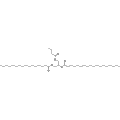
    1-Palmitoyl-2-stearoyl-3-butyryl-rac-glycerol is a triacylglycerol composed of palmitic acid, stearic acid, and butyric acid at the sn-1, sn-2, and sn-3 positions, respectively. This compound serves as an important substrate for studying the stereospecificity and typoselectivity of lipases in biochemical research. It is particularly useful for understanding lipase reaction mechanisms and lipid metabolism.

    1 mg
    $70.00
    5 mg
    $320.00
    All 3 sizes
  • 1,2-Dioleoyl-3-caprin
    Cat. No.
    A94127

    1,2-Dioleoyl-3-caprin

    Synonyms: 1,2-Dioleoyl-3-decanoyl-rac-glycerol; TG(18:1/18:1/10:0)

    1,2-Dioleoyl-3-caprin is a triacylglycerol esterified with oleic acid and decanoic acid. This compound serves as a lipid substrate for studying lipid metabolism and energy homeostasis. Its applications include investigations into membrane dynamics, signaling pathways, and the regulation of metabolic diseases.

    1 mg
    $60.00
    5 mg
    $260.00
    All 4 sizes
  • 1-Palmitoyl-3-lauroyl-rac-glycerol
    Cat. No.
    A94434

    1-Palmitoyl-3-lauroyl-rac-glycerol

    1-Palmitoyl-3-lauroyl-rac-glycerol is a diacylglycerol that features Palmitic acid at the sn-1 position and Lauric acid at the sn-3 position. This compound serves as a key modulator of various signaling pathways involving lipid metabolism and cellular functions. It is utilized in research focusing on lipid-mediated mechanisms in cellular processes and can aid in the understanding of energy storage and membrane dynamics.

    1 mg
    $90.00
    5 mg
    $400.00
    All 3 sizes
  • 1,2-Dioleoyl-3-arachidonoyl-rac-glycerol
    Cat. No.
    A94813

    1,2-Dioleoyl-3-arachidonoyl-rac-glycerol

    Synonyms: 1,2-Olein-3-arachidonin; TG(18:1/18:1/20:4)

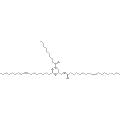
    1,2-Dioleoyl-3-arachidonoyl-rac-glycerol is a triacylglycerol composed of oleic and arachidonic acids. This compound serves as a significant substrate in lipid metabolism studies and can be utilized in research applications focusing on cell signaling and inflammatory responses. Its unique fatty acid composition makes it a valuable reagent for investigating the roles of triacylglycerols in various biological processes.

    1 mg
    $60.00
    5 mg
    $260.00
    All 4 sizes
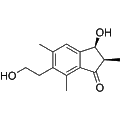
  • (2R,3S)-Pterosin C
    Cat. No.
    B19182

    (2R,3S)-Pterosin C

    (2R,3S)-Pterosin C is a sesquiterpene that functions as a potent inhibitor of triglyceride formation. This compound has been shown to significantly lower triglyceride levels in 3T3-L1 adipocytes, making it a valuable tool for research into hyperlipidemia and related metabolic disorders. Its inhibitory effects on triglyceride synthesis contribute to its utility in studying lipid metabolism and potential therapeutic strategies for managing dyslipidemia.

    1 mg
    $640.00
    All 1 sizes
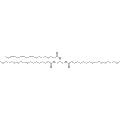
  • 1,3-Linolein-2-linolenin
    Cat. No.
    B20789

    1,3-Linolein-2-linolenin

    1,3-Linolein-2-linolenin is an acylglycerol with a structure that incorporates both linoleic and linolenic acid. This compound serves as a key modulator within lipid metabolism and is significant in the study of membrane fluidity and cellular signaling pathways. Its unique composition makes it a valuable tool for research applications related to fatty acid metabolism and the roles of lipids in health and disease.

    Out of stock

    All 3 sizes
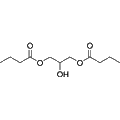
  • 1,3-Dibutyrin
    Cat. No.
    B20821

    1,3-Dibutyrin

    1,3-Dibutyrin is a glycerolipid that acts as a model compound for studying lipid metabolism and storage. It serves as a substrate for lipases and is utilized in research focusing on triglyceride synthesis and breakdown. Additionally, this reagent has applications in understanding the role of lipids in cell signaling and membrane dynamics.

    Out of stock

    All 3 sizes
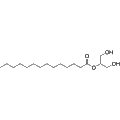
  • 2-Monomyristin
    Cat. No.
    B20929

    2-Monomyristin

    2-Monomyristin is an acylglycerol that primarily interacts with lipid structures within biological membranes. It serves as a substrate for various enzymatic reactions, playing a critical role in lipid metabolism and cellular signaling pathways. This compound is valuable for research applications in studying lipid biochemistry, membrane dynamics, and metabolic processes.

    Out of stock

    All 3 sizes
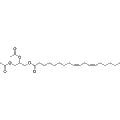
  • 1-Linolein-2,3-acetyl
    Cat. No.
    B21033

    1-Linolein-2,3-acetyl

    1-Linolein-2,3-acetyl is an acylglycerol that serves as a lipid compound. It plays a significant role in various lipid metabolism studies and can be utilized as a substrate in the investigation of enzymatic activity related to lipid processing. This reagent is valuable for research applications involving lipid signaling pathways and metabolic regulation.

    Out of stock

    All 3 sizes
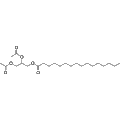
  • 1-Palmitin-2,3-acetyl
    Cat. No.
    B21153

    1-Palmitin-2,3-acetyl

    1-Palmitin-2,3-acetyl is an acylglycerol involved in lipid metabolism. This compound can serve as a substrate for studying fatty acid synthesis and storage, as well as exploring the structure-function relationship of lipid molecules. Its applications extend to bioenergetics, membrane dynamics, and the investigation of lipid-related metabolic disorders.

    Out of stock

    All 3 sizes

21 Items

Added to your cart

View Cart Checkout

    Loading...