Fatty Acids & Derivatives

Fatty acids and derivatives include saturated, unsaturated and branched-chain acids together with their esters. Fatty acids are carboxylic acids with hydrocarbon chains, and they form the acyl components of most membrane and storage lipids. Polyunsaturated examples are α-linolenic acid, an essential omega-3 fatty acid, and arachidonic acid, the omega-6 precursor of prostaglandins and leukotrienes. Nonadecanoic acid is an odd-chain saturated fatty acid that appears as a reference compound in lipid analysis. Fatty acid methyl esters (FAMEs), such as methyl oleate, are standard analytes in gas chromatography of lipids. 10-OAHSA belongs to the fatty acid esters of hydroxy fatty acids (FAHFAs), a lipid class found in mammalian adipose tissue. Dicarboxylic acids such as sebacic acid are listed as well.

24 Items

  • Crotonyl-CoA tetralithium
    Cat. No.
    A29175

    Crotonyl-CoA tetralithium

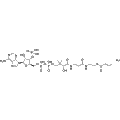
    Crotonyl-CoA tetralithium is a high-energy acyl donor and an important derivative of CoA involved in the metabolism of fatty acids and amino acids. It serves as a substrate for p300's histone crotonyltransferase activity, influencing global and gene-specific histone crotonylation levels, and plays a role in the regulation of gene expression. Additionally, Crotonyl-CoA tetralithium is utilized in the NADPH-mediated reduction and carbon dioxide trapping catalyzed by crotonyl-CoA reductase/carboxylase, contributing to the formation of alkylmalonyl-CoA polyketide synthase extender units. This compound is valuable for studies related to the LPS-induced inflammatory response.

    Out of stock

    All 3 sizes
  • Eicosapentaenoic acid (metformin)
    Cat. No.
    A29252

    Eicosapentaenoic acid (metformin)

    Synonyms: EPA (metformin); Timnodonic acid (metformin)

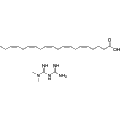
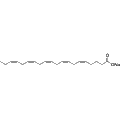
    Eicosapentaenoic Acid (EPA) functions as an omega-3 long-chain polyunsaturated fatty acid (ω-3 LC-PUFA) with significant biological activity. It exhibits a DNA demethylating capability, facilitating the re-expression of the tumor suppressor gene CCAAT/enhancer-binding protein δ (C/EBPδ). Additionally, EPA activates the RAS/ERK/C/EBPβ signaling pathway through H-Ras intron 1 CpG island demethylation in U937 leukemia cells, thereby enhancing cellular function. The compound also contributes to the relaxation of vascular smooth muscle cells and induces vasodilation, making it relevant for cardiovascular research.

    25 mg
    $1,275.00
    50 mg
    $1,625.00
    All 3 sizes
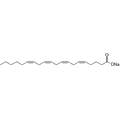
  • Eicosapentaenoic Acid sodium
    Cat. No.
    A29257

    Eicosapentaenoic Acid sodium

    Synonyms: EPA sodium; Timnodonic acid sodium

    Eicosapentaenoic Acid Sodium is an orally active omega-3 long-chain polyunsaturated fatty acid (LC-PUFA) that primarily targets DNA demethylation processes. This compound enhances the re-expression of the tumor suppressor gene CCAAT/enhancer-binding protein δ (C/EBPδ) and activates the RAS/ERK/C/EBPβ signaling pathway through H-Ras intron 1 CpG island demethylation in U937 leukemia cells. Additionally, Eicosapentaenoic Acid Sodium is known to promote relaxation of vascular smooth muscle cells, contributing to vasodilation. This makes it a valuable reagent for studies in cancer biology and cardiovascular research.

    1 mg
    $80.00
    5 mg
    $195.00
    All 5 sizes
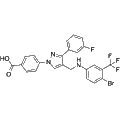
  • FASN-IN-6
    Cat. No.
    A49296

    FASN-IN-6

    FASN-IN-6 is a potent inhibitor of fatty acid biosynthesis (FAB). It demonstrates significant antibacterial activity, exhibiting minimum inhibitory concentrations (MIC) of 1 μg/mL against Staphylococcus aureus ATCC 25923 and 4 μg/mL against Enterococcus faecalis ATCC 29212. This compound is valuable for research applications focused on bacterial fatty acid biosynthesis and the development of novel antibacterial strategies.

    Out of stock

    All 3 sizes
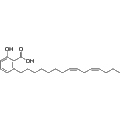
  • Anacardic acid diene
    Cat. No.
    A49878

    Anacardic acid diene

    Synonyms: Anacardic acid 15:2

    Anacardic acid diene is a polyunsaturated fatty acid that targets various biological processes. It demonstrates significant antibacterial activity against methicillin-resistant Staphylococcus aureus (MRSA) and Streptococcus mutans, with minimum inhibitory concentrations (MICs) of 12.5 and 6.25 μg/mL, respectively. Additionally, Anacardic acid diene exhibits schistosomicidal properties against adult Schistosoma mansoni worms at a concentration of 100 μM and acts as a time-dependent inhibitor of soybean lipoxygenase-1. This compound is valuable for research into antibacterial agents, schistosomiasis treatment, and lipoxygenase inhibition.

    0.5 mg
    $145.00
    1 mg
    $270.00
    All 4 sizes
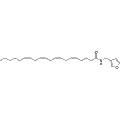
  • UCM707
    Cat. No.
    A59344

    UCM707

    UCM707 is a potent and selective endocannabinoid uptake inhibitor. By inhibiting the reuptake of anandamide, it enhances its hypokinetic and antinociceptive effects, making it a valuable tool for studying the endocannabinoid system. This compound is useful in research applications related to pain management and the modulation of motor activity.

    1 mg
    $55.00
    5 mg
    $160.00
    All 5 sizes
  • Prostaglandin F3α
    Cat. No.
    A67842

    Prostaglandin F3α

    Synonyms: PGF3α

    Prostaglandin F3α (PGF3α) is a bioactive lipid mediator derived from eicosapentaenoic acid (EPA) known for its anti-cancer and anti-inflammatory properties. It functions as a substrate for the ATP-binding cassette transporter ABCC4, exhibiting a Km of 12.1 μM. PGF3α is particularly relevant for research involving metabolic conditions, including diabetes, offering insights into its underlying mechanisms and potential therapeutic targets.

    0.05 mg
    $130.00
    0.1 mg
    $230.00
    All 4 sizes
  • Arachidonic acid sodium salt
    Cat. No.
    A71314

    Arachidonic acid sodium salt

    Synonyms: Immunocytophyt sodium salt

    Arachidonic acid sodium salt is a polyunsaturated omega-6 fatty acid primarily involved in cellular membrane structure. As a crucial substrate for the synthesis of lipid mediators, including prostaglandins, this compound plays a significant role in inflammatory responses and various physiological processes. Research applications encompass studies in neurobiology and cardiovascular health, highlighting its impact on cognitive function and cardiovascular performance.

    1 mg
    $35.00
    5 mg
    $90.00
    All 6 sizes
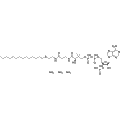
  • Tetradecyl-CoA triammonium
    Cat. No.
    A73176

    Tetradecyl-CoA triammonium

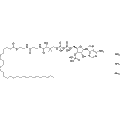
    Tetradecyl-CoA triammonium is a long-chain acyl-CoA molecule that serves as a key substrate in fatty acid metabolism. This compound plays a critical role in various metabolic pathways, including lipid biosynthesis and energy production. It is commonly utilized in research applications investigating acyl-CoA signaling mechanisms and the regulation of fatty acid oxidation.

    Out of stock

    All 3 sizes
  • Cytochrome P450
    Cat. No.
    A73686

    Cytochrome P450

    Cytochrome P450 refers to a family of monooxygenase enzymes that facilitate the conversion of fatty acids into terminal alkenes through the utilization of hydrogen peroxide as a co-substrate. As membrane-bound hemoproteins, these enzymes are integral to various biological processes, including drug detoxification, cellular metabolism, and maintenance of homeostasis. Their study is crucial for understanding metabolic pathways and responses to environmental changes, making them valuable reagents for pharmacological and biochemical research applications.

    0.5 mg
    $1,040.00
    All 1 sizes
  • (S)-3-Hydroxyhexanoyl-CoA
    Cat. No.
    A74080

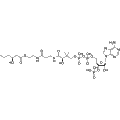
    (S)-3-Hydroxyhexanoyl-CoA

    Synonyms: L-3-Hydroxyhexanoyl-CoA

    (S)-3-Hydroxyhexanoyl-CoA is a hydroxy fatty acyl-CoA that plays a crucial role in fatty acid metabolism. It functions as a substrate for various enzymatic reactions involved in the biosynthesis and degradation of fatty acids. This compound is particularly relevant in studies focused on lipid metabolism, mitochondrial function, and metabolic disorders. It serves as an important reagent for researchers investigating the roles of hydroxy fatty acids in cellular processes.

    Out of stock

    All 3 sizes
  • 9(S)-HpOTrE
    Cat. No.
    A74362

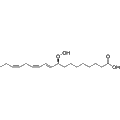
    9(S)-HpOTrE

    9(S)-HpOTrE is a monohydroperoxy polyunsaturated fatty acid generated through the action of 5-lipoxygenase on α-linolenic acid. It exhibits key biological activities as a substrate for further oxidation, leading to the formation of 9,16-dihydroperoxy acid. Additionally, 9(S)-HpOTrE can be metabolized into colnelenic acid by divinyl ether synthase, typically found in garlic and potato microsomes. This compound is valuable in research applications focused on lipid biochemistry and the study of oxidative signaling pathways.

    0.1 mg
    $320.00
    0.5 mg
    $760.00
    All 3 sizes
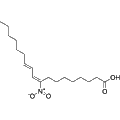
  • (9E,11E)-9-Nitro-9,11-octadecadienoic acid
    Cat. No.
    A74496

    (9E,11E)-9-Nitro-9,11-octadecadienoic acid

    Synonyms: 9E,11E-9-Nitro CLA

    (9E,11E)-9-Nitro-9,11-octadecadienoic acid (9E,11E-9-Nitro CLA) is a nitro-fatty acid that is synthesized through the reaction of 9Z, 11E-CLA with acidified nitrite, peroxynitrite, or nitrogen dioxide, as well as through the action of myeloperoxidase in the presence of hydrogen peroxide and nitrite. This compound demonstrates significant biological activity as a modulator of inflammation and cellular signaling pathways. Its applications in research include studies on cardiovascular health, metabolic disorders, and the role of nitro-fatty acids in various physiological processes.

    0.05 mg
    $70.00
    0.1 mg
    $130.00
    All 3 sizes
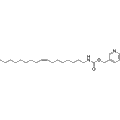
  • FAAH inhibitor 2
    Cat. No.
    A74664

    FAAH inhibitor 2

    FAAH Inhibitor 2 is an irreversible inhibitor of fatty acid amide hydrolase (FAAH), demonstrating an IC50 of 0.153 μM. This compound is essential for studies evaluating endocannabinoid signaling pathways and the modulation of pain and inflammation. Its application in research aids in understanding the therapeutic potential of FAAH inhibition in various physiological and pathological states.

    10 mg
    $80.00
    25 mg
    $225.00
    All 5 sizes
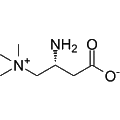
  • (R)-Aminocarnitine
    Cat. No.
    A87628

    (R)-Aminocarnitine

    Synonyms: Emeriamine

    (R)-Aminocarnitine is an established inhibitor of fatty acid oxidation, demonstrating potential efficacy in reducing hyperglycemia and ketosis. This compound is valuable for research involving metabolic diseases, providing insights into metabolic dysregulation and potential therapeutic interventions. Its mechanism of action makes it a significant tool for studying the biochemical pathways involved in energy metabolism.

    1 mg
    $175.00
    5 mg
    $400.00
    All 6 sizes
  • cis-10-Heptadecenoic acid
    Cat. No.
    A87630

    cis-10-Heptadecenoic acid

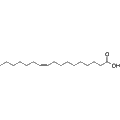
    Cis-10-Heptadecenoic acid is a cis-fatty acid that serves as a substrate for the synthesis of polyhydroxy-chain alkanoates, mediated by enzymes such as 2,4-dienyl-CoA reductase and Delta3, Delta2-enyl-CoA isomerase. This compound plays a significant role in lipid metabolism and may be utilized in research focused on fatty acid biosynthesis, bioengineering of microbial systems, and the development of bioplastics. Its unique structural properties make it a valuable reagent for studies in lipid biochemistry and metabolic engineering applications.

    5 mg
    $25.00
    10 mg
    $35.00
    All 4 sizes
  • Sulfosuccinimidyl myristate sodium
    Cat. No.
    A91195

    Sulfosuccinimidyl myristate sodium

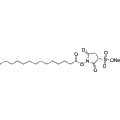
    Sulfosuccinimidyl myristate sodium is a potent inhibitor of fatty acid transport, specifically designed to obstruct the uptake of fatty acids in cellular models. By effectively inhibiting [14C]stearate uptake in isolated rat adipocytes, this reagent serves as a valuable tool for studying lipid metabolism and fatty acid signaling pathways in various biological contexts. Its utility extends to research involving obesity, metabolic disorders, and cell membrane dynamics.

    5 mg
    $160.00
    10 mg
    $265.00
    All 4 sizes
  • 28:0 Coenzyme A ammonium
    Cat. No.
    A92019

    28:0 Coenzyme A ammonium

    28:0 Coenzyme A ammonium is a saturated fatty acyl-CoA derivative that plays a critical role in lipid metabolism. It is involved in fatty acid synthesis and degradation pathways, serving as a substrate for various enzymatic reactions in cellular metabolism. This reagent is essential for research applications focused on lipid biochemistry and metabolic studies.

    Out of stock

    All 3 sizes
  • Resolvin D1 methyl ester
    Cat. No.
    A96017

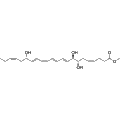
    Resolvin D1 methyl ester

    Synonyms: RvD1 methyl ester

    Resolvin D1 methyl ester is a potent inhibitor of triglyceride synthesis. This bioactive lipid mediates resolution of inflammation and has been shown to effectively lower triglyceride levels. It is commonly utilized in research applications focused on metabolic disorders and cardiovascular health.

    0.01 mg
    $290.00
    0.025 mg
    $850.00
    All 4 sizes
  • (R)-(+)-Docosahexaenyl-1'-hydroxy-2'-propylamide
    Cat. No.
    A97373

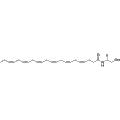
    (R)-(+)-Docosahexaenyl-1'-hydroxy-2'-propylamide

    (R)-(+)-Docosahexaenyl-1'-hydroxy-2'-propylamide is a polyunsaturated fatty acid amide that exhibits anti-proliferative activity. This compound has been identified as a potential modulator of cellular growth, making it a valuable tool for studies related to cancer research and cell signaling pathways. Its unique structural properties allow for exploration in various biological assays aimed at understanding lipid-mediated signaling and cell behavior.

    1 mg
    $230.00
    10 mg
    $1,925.00
    All 2 sizes
  • Arachidonyl alcohol
    Cat. No.
    A98136

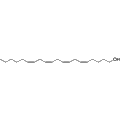
    Arachidonyl alcohol

    Arachidonyl alcohol is a long-chain primary fatty alcohol that serves as a substrate for the synthesis of various ether lipids. These ether lipids are known to exhibit beneficial biological functions, making arachidonyl alcohol valuable in studies related to lipid metabolism and cellular signaling. Its applications extend to research in areas such as inflammation, cell differentiation, and neurobiology, providing insight into the role of ether lipids in health and disease.

    2 mg
    $40.00
    5 mg
    $45.00
    All 6 sizes
  • Ro 22-0654
    Cat. No.
    B20180

    Ro 22-0654

    Ro 22-0654 is a potent inhibitor of lipid synthesis, targeting hepatic fatty acid production. It demonstrates significant antiobesity effects by disrupting lipid metabolism. This compound is valuable for research applications focused on metabolic disorders and obesity-related studies.

    25 mg
    $1,275.00
    50 mg
    $1,625.00
    All 3 sizes
  • Ximeninic acid
    Cat. No.
    B20257

    Ximeninic acid

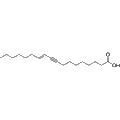
    Synonyms: Ximenynic acid

    Ximeninic acid is a fatty acid that plays a crucial role in lipid metabolism. It exhibits significant biological activity as a modulator of lipid profiles and has potential research applications in studying metabolic disorders and cardiovascular health. This compound can also be utilized in investigations into its effects on inflammation and cellular signaling related to lipid homeostasis.

    Out of stock

    All 3 sizes
  • 18-Oxooctadecanoic acid
    Cat. No.
    B20362

    18-Oxooctadecanoic acid

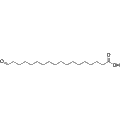
    18-Oxooctadecanoic acid is a long-chain fatty acid derivative that serves as a substrate for P450BM-3, leading to the oxidative transformation into the corresponding α,ω-dicarboxylic acid, 1,18-octadecanedioic acid. This compound does not undergo decarboxylation, preventing the formation of one-carbon-shortened olefins. It is valuable for investigating the metabolic pathways associated with aldehyde-containing long-chain fatty acids, facilitating research into fatty acid metabolism and its implications in various biological processes.

    Out of stock

    All 3 sizes
24 Items

Added to your cart

View Cart Checkout

    Loading...