JNK/c-Jun

c-Jun N-terminal kinase (JNK) inhibitors act on JNK1, JNK2 and JNK3, three stress-activated protein kinases. JNK1 was described in 1994 as a kinase activated by ultraviolet light that binds and phosphorylates the c-Jun activation domain. Phosphorylated c-Jun is part of the activator protein 1 (AP-1) transcription factor, which regulates stress, apoptosis and inflammatory genes. JNKs belong to the mitogen-activated protein kinase (MAPK) family and are activated by the upstream mitogen-activated protein kinase kinases 4 and 7 (MKK4, MKK7). SP600125, an anthrapyrazolone reported in 2001, is a reversible JNK inhibitor that competes with adenosine triphosphate (ATP). JNK-IN-8 binds JNK1 to JNK3 covalently, and tanzisertib is a further pan-JNK inhibitor. Anisomycin, a protein synthesis inhibitor, is used instead to activate JNK signaling.

4 Items

  • SY-LB-35
    Cat. No.
    A24106

    SY-LB-35

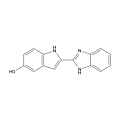
    SY-LB-35 is a potent agonist of bone morphogenetic protein (BMP) receptors, capable of activating both canonical and non-canonical signaling pathways. In the C2C12 myoblast cell line, SY-LB-35 significantly enhances cell proliferation and viability, promoting cell cycle progression by increasing the proportion of cells in the S and G2/M phases. Mechanistically, it activates the canonical Smad pathway as well as non-canonical PI3K/Akt, ERK, p38, and JNK signaling cascades. These properties make SY-LB-35 a valuable tool for studying BMP-related cellular processes and a potential therapeutic candidate for tissue regeneration and muscle repair.

    5 mg
    $59.00
    10 mg
    $101.00
    All 4 sizes
  • Lobeglitazone
    Cat. No.
    A24137

    Lobeglitazone

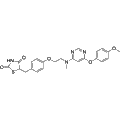
    Lobeglitazone is a novel thiazolidinedione-class compound and an orally active dual agonist of peroxisome proliferator-activated receptors (PPARs), with EC₅₀ values of 137.4 nM for PPARγ and 546.3 nM for PPARα. In addition to its metabolic effects, Lobeglitazone functions as an inhibitor of multiple pro-inflammatory and pro-fibrotic signaling pathways, including ERK, JNK, Smad, and NF-κB. Lobeglitazone exhibits a broad range of pharmacological activities, including anti-inflammatory, anti-diabetic, anti-fibrotic, and anti-atherosclerotic effects. These properties make it a promising candidate for therapeutic research in metabolic syndrome, type 2 diabetes, cardiovascular disease, and fibrosis-related conditions.

    5 mg
    $90.00
    10 mg
    $155.00
    All 4 sizes
  • Lobeglitazone sulfate
    Cat. No.
    A24240

    Lobeglitazone sulfate

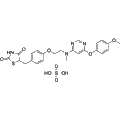
    Lobeglitazone sulfate is a novel thiazolidinedione and an orally active agonist of peroxisome proliferator-activated receptors (PPARs), with EC50 values of 137.4 nM for PPARγ and 546.3 nM for PPARα. It also acts as an inhibitor of the ERK/JNK/Smad/NF-κB signaling pathways. Lobeglitazone sulfate exhibits anti-inflammatory, anti-diabetic, anti-fibrotic, and anti-atherosclerotic activities, supporting its potential in the treatment of metabolic and inflammatory diseases.

    5 mg
    $270.00
    10 mg
    $465.00
    All 4 sizes
  • Propylparaben sodium
    Cat. No.
    A31961

    Propylparaben sodium

    Synonyms: Propyl parahydroxybenzoate sodium; Propyl 4-hydroxybenzoate sodium

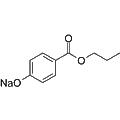
    Propylparaben sodium acts as a weak estrogen receptor agonist and serves as a voltage-gated sodium channel blocker, while also modulating the PI3K-AKT and JNK signaling pathways. It is known to induce oxidative stress, affecting the estrous cycle and hormone levels, as well as ovarian reserve function. Propylparaben sodium can inhibit the growth of antral follicles and influence the accumulation of steroid hormones in follicle culture media. This compound is suitable for research related to ovarian aging and myocardial ischemia-reperfusion injury.

    5 mg
    $20.00
    100 mg
    $25.00
    All 4 sizes

4 Items

Added to your cart

View Cart Checkout

    Loading...