Drug Intermediate

Drug intermediates are building blocks and reagents used to synthesize active compounds and their analogs. The category covers small aromatic ketones and acids, aliphatic keto acids, sugars and amino acid-related compounds. 2'-Hydroxyacetophenone, an ortho-substituted aromatic ketone, is a common precursor of chromones and flavonoids. Phenylglyoxylic acid carries an α-keto acid group on a benzene ring, while levulinic acid is a biomass-derived keto acid used as a platform chemical. Carbohydrate intermediates include DL-Xylose and N-acetyl-D-mannosamine, a biosynthetic precursor of sialic acids. Several entries are also endogenous metabolites or salts, so they serve biochemical as well as synthetic work. Compounds built by modifying an existing drug structure are listed under Drug Derivative.

6 Items

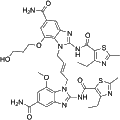
  • STING agonist-33
    Cat. No.
    A65602

    STING agonist-33

    STING agonist-33 is a potent agonist of STING (stimulator of interferon genes) derived from 4-ethyl-2-methylthiazole-5-carboxylic acid. It acts by activating the STING pathway, which plays a crucial role in the innate immune response by promoting the production of type I interferons. This reagent is valuable for research applications focused on immune modulation, cancer therapy, and infectious diseases, as it can enhance the body's antiviral and antitumor defenses.

    Out of stock

    All 3 sizes
  • Murine Plasminogen
    Cat. No.
    A91693

    Murine Plasminogen

    Murine Plasminogen is the inactive precursor of the serine protease plasmin, sourced from freshly collected murine plasma. This protein plays a critical role in fibrinolysis, where it is converted into plasmin by activators such as urokinase, streptokinase, or tissue plasminogen activator. It is utilized in research applications involving coagulation, thrombolysis, and extracellular matrix modulation, making it essential for studies on wound healing and related physiological processes.

    1 mg
    $385.00
    All 1 sizes
  • 1,4-Cyclohexanedione
    Cat. No.
    A97856

    1,4-Cyclohexanedione

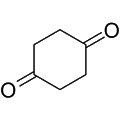
    1,4-Cyclohexanedione serves as a crucial drug intermediate due to its role as a substrate for the EryKR1 domain. This compound exhibits unique biocatalytic activity and stereospecificity, making it valuable for various synthetic applications in pharmaceutical research. Its ability to participate in stereochemical transformations further supports its utility in the development of complex organic molecules.

    10 g
    $25.00
    100 g
    $30.00
    All 2 sizes
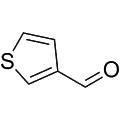
  • 3-Thiophenecarboxaldehyde
    Cat. No.
    A98382

    3-Thiophenecarboxaldehyde

    Synonyms: 3-TC

    3-Thiophenecarboxaldehyde is a thiophene derivative that serves as a substrate for biocatalytic reduction to 3-thiophenemethanol, facilitated by Pseudomonas putida S12 cells. This compound functions as an important intermediate in synthetic pathways. However, it exhibits toxicity toward Pseudomonas putida S12 at elevated concentrations, negatively impacting specific growth rates and final biomass yields. Its unique properties make it useful for research in biocatalysis and metabolic engineering.

    1 g
    $20.00
    5 g
    $35.00
    All 4 sizes
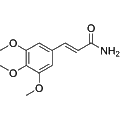
  • Cintriamide
    Cat. No.
    A99692

    Cintriamide

    Synonyms: Cintramide

    Cintriamide is a crucial synthesis intermediate used in the preparation of photoswitchable epothilone-based microtubule stabilizers. Its unique chemical properties facilitate the development of novel compounds targeting microtubule dynamics, making it vital for advancing research in cancer therapeutics and related fields. This compound serves as a valuable building block for scientists exploring new therapeutic avenues in antineoplastic drug development.

    Out of stock

    All 3 sizes
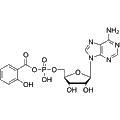
  • Sal-AMP
    Cat. No.
    B10424

    Sal-AMP

    Sal-AMP is an acyl-adenylate intermediate that serves as a substrate for MbtA, facilitating the loading onto the thiolation domain of MbtB. This compound plays a critical role in the biosynthetic pathway of mycobacterial compounds and is valuable for research investigating tuberculosis and related bacterial processes. Its use can aid in understanding the mechanisms of mycobacterial metabolism and potential drug targets.

    Out of stock

    All 3 sizes

6 Items

Added to your cart

View Cart Checkout

    Loading...