Pharmaceutical Excipients

Pharmaceutical excipients are inactive formulation ingredients that control form, stability and release behavior. Research on excipients covers solubility, dissolution, emulsion stability and compatibility with active compounds. Cellulose and the cellulose ether hydroxypropyl cellulose serve as binders, fillers and film-forming polymers. Sulfobutylether-β-cyclodextrin (SBE-β-CD) forms inclusion complexes that raise the aqueous solubility of hydrophobic compounds. Sodium benzoate is used as a preservative, and dipotassium hydrogen phosphate as a buffering salt. Emulsifiers include soya lecithin and the co-emulsifier dilaurylglycerosulfate, while 1-hydroxyoctadecane, also called stearyl alcohol, thickens creams. ALC-0159, a polyethylene glycol (PEG) lipid, is an excipient of lipid nanoparticle vaccine formulations.

2 Items

  • Aluminum magnesium silicate
    Cat. No.
    A90801

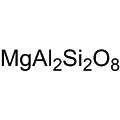
    Aluminum magnesium silicate

    Aluminum magnesium silicate serves as a versatile pharmaceutical excipient with multiple functions, including adsorbent, stabilizer, suspending agent, disintegrant, binder, and thickener. This compound enhances the stability, solubility, and processability of pharmaceutical formulations while playing a crucial role in the absorption, distribution, metabolism, and elimination (ADME) of co-administered drugs. Its ability to optimize the performance of both active pharmaceutical ingredients and overall formulation quality makes it an essential component in drug development and manufacturing processes.

    100 mg
    $20.00
    250 mg
    $40.00
    All 3 sizes
  • Sucrose dilaurate
    Cat. No.
    B21944

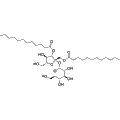
    Sucrose dilaurate

    Sucrose dilaurate serves as an effective emulsifier, dispersant, and stabilizer. It inhibits the release of HMGB1 in UVB-irradiated keratinocytes and displays anti-melanogenic properties while decreasing bilirubin levels. Additionally, sucrose dilaurate induces autophagy in human epidermal keratinocytes, which reduces carboxymethyl lysine (CML) levels. Its ability to modulate the secretion of insulin-like growth factor-binding protein 3 (IGFBP3) and nerve growth factor (NGF) in senescent keratinocytes further highlights its potential in various research applications, particularly in the cosmetics, food, and pharmaceutical sectors.

    Out of stock

    All 3 sizes

2 Items

Added to your cart

View Cart Checkout

    Loading...