Pharmaceutical Excipients

Pharmaceutical excipients are inactive formulation ingredients that control form, stability and release behavior. Research on excipients covers solubility, dissolution, emulsion stability and compatibility with active compounds. Cellulose and the cellulose ether hydroxypropyl cellulose serve as binders, fillers and film-forming polymers. Sulfobutylether-β-cyclodextrin (SBE-β-CD) forms inclusion complexes that raise the aqueous solubility of hydrophobic compounds. Sodium benzoate is used as a preservative, and dipotassium hydrogen phosphate as a buffering salt. Emulsifiers include soya lecithin and the co-emulsifier dilaurylglycerosulfate, while 1-hydroxyoctadecane, also called stearyl alcohol, thickens creams. ALC-0159, a polyethylene glycol (PEG) lipid, is an excipient of lipid nanoparticle vaccine formulations.

Items 1-25 of 70

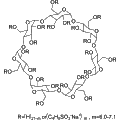
  • SBE-β-CD
    Cat. No.
    A11365

    SBE-β-CD

    Synonyms: Sulfobutylether-β-Cyclodextrin

    SBE-β-CD is a sulfobutylether derivative of β-cyclodextrin primarily utilized as an excipient in pharmaceutical formulations. It enhances the solubility of poorly soluble compounds, thereby improving their bioavailability. SBE-β-CD is valuable in drug development, particularly for improving the delivery of hydrophobic agents in various therapeutic applications.

    500 mg
    $30.00
    1 g
    $50.00
    All 6 sizes
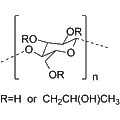
  • Hydroxypropyl Cellulose
    Cat. No.
    A16579

    Hydroxypropyl Cellulose

    Hydroxypropyl Cellulose (HPC) functions as a pharmaceutical excipient with surfactant properties. This cellulose ether exhibits anti-inflammatory activity by reducing mediators such as IL-6 and IL-1β, contributing to improvements in conditions like colitis and obesity. HPC serves as a versatile agent in drug formulation, being used in applications such as coating agents, emulsifiers, suspensions, tablets, thickeners, and viscosifiers, facilitating enhanced drug delivery and stability.

    10 g
    $20.00
    25 g
    $25.00
    All 6 sizes
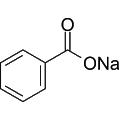
  • Sodium benzoate
    Cat. No.
    A17310

    Sodium benzoate

    Sodium benzoate functions as a pharmaceutical excipient with multiple roles, including serving as an antibacterial agent and preservative. It enhances the stability, solubility, and processability of drug formulations while potentially influencing the absorption, distribution, metabolism, and elimination (ADME) of co-administered compounds. Additionally, sodium benzoate activates the NF-κB signaling pathway, induces apoptosis, and has been studied for its immunosuppressive effects as well as reproductive toxicity. Its applications extend to research in colon cancer and immune diseases.

    100 mg
    $20.00
    500 mg
    $25.00
    All 6 sizes
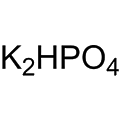
  • Dipotassium hydrogen phosphate
    Cat. No.
    A33172

    Dipotassium hydrogen phosphate

    Dipotassium hydrogen phosphate is a phosphate salt that serves as an effective pharmaceutical excipient. It acts primarily as a pH adjuster and buffer, facilitating optimal conditions for various biochemical reactions. Additionally, dipotassium hydrogen phosphate has been shown to enhance lipase production in Rhizopus oligosporus, underscoring its utility in microbial fermentation studies and bioprocessing applications.

    500 mg
    $25.00
    50 g
    $30.00
    All 5 sizes
  • Soya Lecithin
    Cat. No.
    A59874

    Soya Lecithin

    Soya Lecithin is a phospholipid mixture primarily used as a pharmaceutical excipient and drug delivery vehicle. Its amphiphilic properties enable the formation of lipid bilayer structures, allowing for the encapsulation of hydrophobic drugs. By forming stable nanoliposomes or microemulsions, Soya Lecithin enhances the solubility and cellular uptake of poorly soluble compounds, thereby improving drug delivery efficiency and potentially regulating cell proliferation. This makes it a valuable reagent for various drug formulation applications in chemical and pharmaceutical research.

    5 g
    $25.00
    10 g
    $35.00
    All 5 sizes
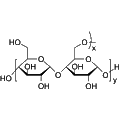
  • Cellulose
    Cat. No.
    A71276

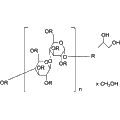
    Cellulose

    Synonyms: Pectin glycosidase

    Cellulose is a natural high molecular weight polysaccharide primarily utilized as a pharmaceutical excipient. Its biocompatibility and biodegradability allow for versatile applications in drug formulation, enhancing stability and improving the delivery of active ingredients. Additionally, Cellulose serves as a critical component in the production of cellulose derivatives, such as cellulose acetate and cellulose nitrate, and is commonly employed in the food industry as a functional additive to enhance food quality.

    25 g
    $20.00
    50 g
    $30.00
    All 3 sizes
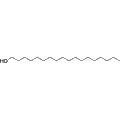
  • 1-Hydroxyoctadecane
    Cat. No.
    A73929

    1-Hydroxyoctadecane

    Synonyms: Stearyl alcohol

    1-Hydroxyoctadecane, a long-chain fatty alcohol, serves as an effective excipient in pharmaceutical formulations. It creates a protective oil film that reduces transepidermal water loss (TEWL), thus enhancing skin hydration and moisturization. Additionally, 1-Hydroxyoctadecane has demonstrated efficacy in improving Imiquimod-induced psoriatic skin inflammation in murine models, making it a valuable compound for dermatological research applications.

    5 g
    $20.00
    100 g
    $25.00
    All 5 sizes
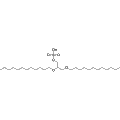
  • Dilaurylglycerosulfate
    Cat. No.
    A75887

    Dilaurylglycerosulfate

    Dilaurylglycerosulfate functions as a co-emulsifier, primarily utilized in diagnostic assays for the measurement of lipase activity. Its unique properties enhance the stability and performance of emulsions in various biochemical reactions, making it a valuable reagent for clinical diagnostics and research focusing on lipid metabolism. This compound is instrumental in the accurate determination of lipase, contributing to improved diagnostic outcomes.

    1 mg
    $35.00
    5 mg
    $75.00
    All 6 sizes
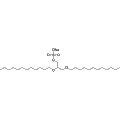
  • Dilaurylglycerosulfate sodium
    Cat. No.
    A75889

    Dilaurylglycerosulfate sodium

    Dilaurylglycerosulfate sodium acts as a co-emulsifier and is primarily utilized in diagnostic tests to determine lipase activity. This reagent stabilizes emulsions, facilitating accurate measurement in enzymatic assays. Its role is critical in enhancing the reliability of lipase quantification in various clinical and biochemical applications.

    5 mg
    $130.00
    10 mg
    $215.00
    All 5 sizes
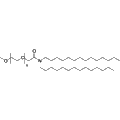
  • ALC-0159
    Cat. No.
    A75943

    ALC-0159

    ALC-0159 is a polyethylene glycol (PEG) lipid conjugate that serves as a vaccine excipient. Its incorporation enhances the stability and delivery of vaccine formulations by facilitating the encapsulation of active pharmaceutical ingredients. ALC-0159 is particularly useful in the development of lipid nanoparticles and other innovative drug delivery systems, contributing to improved immunogenicity and efficacy in vaccine applications.

    5 mg
    $45.00
    10 mg
    $75.00
    All 6 sizes
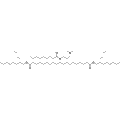
  • 1,19-Bis(2-butyloctyl) 10-[[3-(dimethylamino)propyl](1-oxononyl)amino]nonadecanedioate
    Cat. No.
    A76046

    1,19-Bis(2-butyloctyl) 10-[[3-(dimethylamino)propyl](1-oxononyl)amino]nonadecanedioate

    1,19-Bis(2-butyloctyl) 10-[[3-(dimethylamino)propyl](1-oxononyl)amino]nonadecanedioate serves as a vital excipient in vaccine formulations. This compound enhances the stability and delivery efficiency of vaccine components, playing a critical role in the development of COVID-19 vaccines and other immunotherapeutic applications. Its unique structural properties facilitate effective gene delivery, making it valuable in advancing gene therapy research and applications.

    5 mg
    $125.00
    10 mg
    $200.00
    All 5 sizes
  • Isopropyl palmitate
    Cat. No.
    A76093

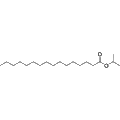
    Isopropyl palmitate

    Synonyms: Propan-2-yl hexadecanoate

    Isopropyl palmitate is a fatty acid ester primarily used as a pharmaceutical excipient. It demonstrates significant biological activity by forming bioactive bilayer films that can scavenge free radicals and inhibit lipid peroxidation, along with suppressing the growth of foodborne pathogens. As an excipient, it serves various roles including a lubricant, oily carrier, solvent, and component in controlled-release transdermal films. Isopropyl palmitate enhances the stability, solubility, and overall processability of pharmaceutical preparations while influencing the absorption, distribution, metabolism, and elimination (ADME) profiles of co-administered drugs.

    1 mg
    $20.00
    25 g
    $25.00
    All 4 sizes
  • Sorbitan tristearate
    Cat. No.
    A76324

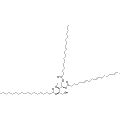
    Sorbitan tristearate

    Sorbitan tristearate serves as a non-ionic surfactant that enhances skin permeability through its emulsifying properties. This compound functions as a pharmaceutical excipient, improving the stability, solubility, and processability of various formulations. Additionally, sorbitan tristearate can influence the absorption, distribution, metabolism, and elimination (ADME) of co-administered drugs, making it a valuable component in drug development and delivery systems.

    1 mg
    $20.00
    100 g
    $25.00
    All 4 sizes
  • HPMC (Viscosity:11250-21000mPa.s)
    Cat. No.
    A86435

    HPMC (Viscosity:11250-21000mPa.s)

    Synonyms: Hypromellose (Viscosity:11250-21000mPa.s); (Hydroxypropyl)methyl cellulose (Viscosity:11250-21000mPa.s); Celacol HPM 5000 (Viscosity:11250-21000mPa.s)

    Hydroxypropyl Methylcellulose (HPMC) is a hydrophilic, non-ionic cellulose ether primarily utilized as an excipient in various pharmaceutical formulations. With a viscosity range of 11250-21000 mPa.s, HPMC enables the creation of swellable-soluble matrices, enhancing drug delivery by controlling release profiles. Its unique properties make it ideal for applications in oral, topical, and controlled-release systems.

    500 mg
    $20.00
    1 g
    $25.00
    All 3 sizes
  • Polyglycerol-polyricinoleate
    Cat. No.
    A86455

    Polyglycerol-polyricinoleate

    Synonyms: PGPR

    Polyglycerol-polyricinoleate (PGPR) functions as an effective emulsifier, primarily utilized in food formulations. This compound enhances the texture and stability of various food products, contributing to improved quality and shelf-life. Additionally, PGPR is applicable in research areas focusing on food science, material science, and formulation development.

    1 g
    $20.00
    5 g
    $40.00
    All 5 sizes
  • Anhydrous sodium dihydrogen phosphate
    Cat. No.
    A86510

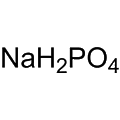
    Anhydrous sodium dihydrogen phosphate

    Synonyms: Sodium phosphate monobasic; Monosodium dihydrogen orthophosphate; Monosodium phosphate

    Anhydrous sodium dihydrogen phosphate serves as an essential pharmaceutical excipient with buffering capabilities. It is widely employed in various industries, including pharmaceuticals and chemical processing, due to its ability to stabilize pH in formulations. Additionally, this compound is utilized in water treatment applications, functioning as a purifying and precipitating agent to enhance environmental protection efforts. Its versatility makes it critical for both laboratory and industrial applications.

    25 g
    $20.00
    100 g
    $25.00
    All 3 sizes
  • Peanut Oil
    Cat. No.
    A86723

    Peanut Oil

    Peanut Oil serves as a pharmaceutical excipient, enhancing the formulation of drug preparations. This inactive ingredient is instrumental in improving the stability, solubility, and overall processability of pharmaceutical products. Additionally, Peanut Oil plays a significant role in modulating the absorption, distribution, metabolism, and elimination (ADME) of co-administered compounds, thereby influencing their therapeutic efficacy and safety profiles.

    Out of stock

    All 3 sizes
  • Sorbitan monooleate
    Cat. No.
    A86751

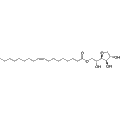
    Sorbitan monooleate

    Sorbitan monooleate is a non-ionic emulsifier that facilitates the formation and stabilization of emulsions. It exhibits excellent biocompatibility and is commonly utilized in both food technology and pharmaceutical formulations as an excipient. Its ability to improve the texture and stability of mixtures makes it a valuable reagent in various biological and chemical research applications.

    100 g
    $20.00
    250 g
    $40.00
    All 3 sizes
  • Petrolatum (white)
    Cat. No.
    A86865

    Petrolatum (white)

    Petrolatum (white) is a pharmaceutical excipient widely utilized as an ointment vehicle due to its minimal skin irritation properties. This inert, hydrophobic compound serves as an effective barrier for wound care, facilitating healing in ambulatory surgical applications. It is specifically designed to enhance the stability and delivery of active pharmaceutical ingredients in topical formulations.

    1 mg
    $20.00
    500 g
    $25.00
    All 2 sizes
  • Ethyl cellulose
    Cat. No.
    A86899

    Ethyl cellulose

    Synonyms: Ethyl cellulose N-200

    Ethyl cellulose is a non-toxic, biodegradable polymer derived from cellulose, primarily utilized as a pharmaceutical excipient. It exhibits beneficial properties, including the formation of oil gels, delivery of active ingredients, and film formation. Common research applications include its use as a coating agent, flavoring agent, and tablet filler, as well as its role in the preparation of nanoparticles for enhanced active compound delivery.

    1 mg
    $20.00
    100 g
    $25.00
    All 3 sizes
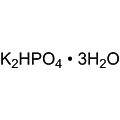
  • Dipotassium hydrogen phosphate trihydrate
    Cat. No.
    A87084

    Dipotassium hydrogen phosphate trihydrate

    Dipotassium hydrogen phosphate trihydrate acts as a pharmaceutical excipient and is utilized primarily as a buffering agent and a source of both phosphorus and potassium. This compound is essential in the preparation of cell culture media and reagent buffer systems within biochemistry and molecular biology applications. Additionally, it serves as a reagent in analytical chemistry for the determination of calcium and magnesium ions in water samples, making it a valuable tool in various research settings.

    1 mg
    $20.00
    100 g
    $25.00
    All 3 sizes
  • Celite
    Cat. No.
    A87135

    Celite

    Synonyms: Diatomaceous earth

    Celite is a pharmaceutical excipient primarily utilized as a filter media and adsorbent. It plays a critical role in the pharmaceutical formulation process by enhancing the stability, solubility, and processability of active ingredients. Additionally, Celite can influence the absorption, distribution, metabolism, and elimination (ADME) of co-administered drugs, making it an essential component in drug delivery systems and pharmaceutical preparations.

    1 mg
    $20.00
    100 g
    $25.00
    All 3 sizes
  • Croscarmellose sodium
    Cat. No.
    A87255

    Croscarmellose sodium

    Croscarmellose sodium is a pharmaceutical excipient primarily utilized as a disintegrant. This compound enhances the dissolution of solid dosage forms, facilitating the release of active pharmaceutical ingredients. Its multifunctional properties include serving as a suspending agent, binder, glidant, and antiadherent. Croscarmellose sodium is integral in the formulation of various pharmaceutical applications to improve bioavailability and ensure optimal drug performance.

    50 mg
    $55.00
    500 mg
    $80.00
    All 2 sizes
  • Maltodextrin, dextrose equivalent 16.5-19.5
    Cat. No.
    A87259

    Maltodextrin, dextrose equivalent 16.5-19.5

    Synonyms: Maltodextrin; Dextrin maize starch

    Maltodextrin, dextrose equivalent 16.5-19.5, functions primarily as a pharmaceutical excipient. This compound plays a vital role in enhancing the stability, solubility, and processability of pharmaceutical formulations. Additionally, it can influence the absorption, distribution, metabolism, and elimination (ADME) profiles of co-administered active pharmaceutical ingredients. Maltodextrin is widely utilized in the development of various drug formulations, ensuring improved performance and efficacy in therapeutic applications.

    50 mg
    $20.00
    100 g
    $40.00
    All 3 sizes
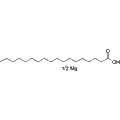
  • Magnesium stearate
    Cat. No.
    A87562

    Magnesium stearate

    Synonyms: Stearic Acid Magnesium(II) Salt

    Magnesium stearate is an effective pharmaceutical excipient primarily utilized as a lubricant in tablet formulations. While it enhances the flow properties and processing of powders, it may adversely affect the bonding between particles. This inactive ingredient is crucial for improving the stability and solubility of pharmaceutical preparations, thereby influencing the absorption, distribution, metabolism, and elimination (ADME) of co-administered drugs. Its role as an excipient is vital in ensuring optimal performance and efficacy in drug delivery systems.

    1 mg
    $20.00
    500 g
    $25.00
    All 2 sizes

Items 1-25 of 70

Added to your cart

View Cart Checkout

    Loading...