- Cat. No.
- A15541
SC79
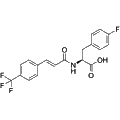
SC79 is an AKT activator. SC79 binds to the plecktrin homology (PH) domain of Akt that mimics the binding of PtdIns(3,4,5)P3 to induce a conformational change in Akt that enhances phosphorylation and activation.
Search by product name, CAS, target or catalog number. Press Down Arrow to reach product suggestions, Tab to move between links, and Escape to close suggestions.
Akt inhibitors target Akt, also called protein kinase B (PKB), a serine/threonine kinase in cell survival signaling. In 1995 the Akt proto-oncogene product was identified as a target of phosphatidylinositol 3-kinase (PI3K) activated by platelet-derived growth factor. Insulin and insulin-like growth factor 1 activate the kinase through phosphorylation at Thr308 and Ser473. The three isoforms, Akt1, Akt2 and Akt3, phosphorylate substrates that control metabolism, proliferation and apoptosis. The category includes the allosteric inhibitor MK-2206 2HCl, the catalytic-site inhibitor capivasertib and the alkylphospholipid perifosine. SC79, by contrast, promotes Akt phosphorylation and serves as an activator in pathway studies.
SC79 is an AKT activator. SC79 binds to the plecktrin homology (PH) domain of Akt that mimics the binding of PtdIns(3,4,5)P3 to induce a conformational change in Akt that enhances phosphorylation and activation.
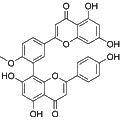
Bilobetin acts as a PPARα activator, enhancing lipid metabolism and insulin sensitivity. It effectively reduces blood lipid levels by promoting hepatic lipid uptake and oxidation, while decreasing triglyceride secretion and accumulation in tissues. Additionally, Bilobetin stimulates the phosphorylation and nuclear translocation of PPARα, resulting in increased cAMP levels and PKA activity. This compound is significant for research in metabolic disorders, particularly those related to insulin resistance and lipid regulation.
YS-49 is a PI3K/Akt (a downstream target of RhoA) activator, to reduce RhoA/PTEN activation in the 3-methylcholanthrene-treated cells.
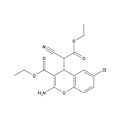
PI3K/Akt/CREB activator 1 is a potent, orally active compound that stimulates the PI3K/Akt/CREB signaling pathway. This activator promotes neuronal proliferation, induces differentiation of Neuro-2a cells into neuron-like cells, and facilitates the axon-dendrite polarization in primary hippocampal neurons by upregulating brain-derived neurotrophic factor. It is particularly relevant for research into vascular dementia (VaD).
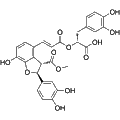
Synonyms: Lithospermic acid monomethyl ester
Monomethyl lithospermate serves as a PI3K/AKT pathway activator, which is crucial for neuroprotection following nerve injury. This compound enhances the viability of SH-SY5Y neuroblastoma cells by preserving mitochondrial membrane potential and inhibiting apoptosis. Additionally, monomethyl lithospermate reduces oxidative stress in brain tissue of rats subjected to middle cerebral artery occlusion, demonstrating efficacy in mitigating nerve damage associated with ischemic stroke.
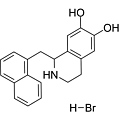
IPL344 is an Akt activator that enhances cell survival by protecting against pro-apoptotic stimuli. This compound activates the Akt signaling pathway, making it a valuable tool for studying mechanisms of neuroprotection. IPL344 is particularly relevant in the research of amyotrophic lateral sclerosis (ALS) and other conditions where Akt signaling plays a critical role.
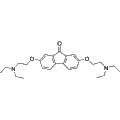
Tilorone is an Akt activator known for its role as an orally active antiviral agent and interferon inducer. It stimulates interferon production primarily in lymphoid tissues, exerting significant antiviral effects while also showing potential as a chemotherapeutic agent. Additionally, Tilorone enhances glucose uptake in vivo and in skeletal muscle cells by modulating Akt2/AS160 signaling and increasing glucose transporter levels, suggesting its applicability in research related to type 2 diabetes and metabolic modulation.
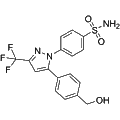
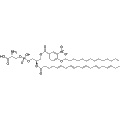
Hydroxy celecoxib is a derivative of Celecoxib that functions as a PI3K/Akt signaling activator, facilitating epithelial repair processes. Its activation of the PI3K/Akt pathway supports cellular survival and proliferation, making it a valuable tool for investigating mechanisms of tissue regeneration. Hydroxy celecoxib is particularly relevant in asthma research, where it may contribute to understanding airway epithelial function and repair.
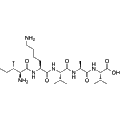
H-Ile-Lys-Val-Ala-Val-OH is a potent activator of the MAPK/ERK1/2 and PI3K/Akt signaling pathways. This compound enhances cell adhesion, promotes neurite outgrowth, and supports tumor growth. It is particularly effective in stimulating the proliferation of bone marrow-derived mesenchymal stem cells (BMMSCs), making it valuable for research applications in cell biology and regenerative medicine.
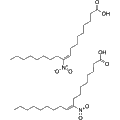
Synonyms: 9(10)-Nitrated oleic acid
9(10)-Nitrooleate is an Akt activator that enhances enzymatic activity and promotes nitric oxide bioavailability. By inducing the phosphorylation of Akt and ERK1/2, it regulates the multi-site phosphorylation of eNOS and optimizes its interaction with Hsp90, contributing to its vasoprotective effects. Additionally, 9(10)-Nitrooleate activates PPARα, PPARδ, and PPARγ receptors, influencing adipogenesis, glucose uptake, and inflammatory gene expression. Its immunosuppressive properties also inhibit neutrophil migration and cytokine secretion, making it valuable for research on sepsis and related inflammatory conditions.
Out of stock
All 3 sizes
PI3K/AKT/ERK/CREB Activator 1 is a small molecule that stimulates the PI3K/AKT/ERK/CREB signaling pathway. It enhances neuronal survival and proliferation, promoting the viability of damaged neurons and facilitating synapse formation. This compound also reduces neuroinflammation by decreasing pro-inflammatory cytokine levels, and it has shown potential in preserving synaptic structure and improving spatial memory in Alzheimer's disease models. PI3K/AKT/ERK/CREB Activator 1 is a valuable tool for research focused on neurodegenerative disorders, particularly Alzheimer's disease.
Out of stock
All 3 sizes
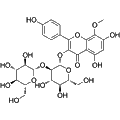
Sexangularetin 3-sophoroside is an activator of PDK1 and Akt phosphorylation pathways, demonstrating significant neuroprotective effects. This compound restores levels of phosphorylated GSK-3β protein and functions as a reactive oxygen species (ROS) inhibitor. Additionally, it modulates the expression of superoxide dismutase 1 and catalase mRNA, making it a valuable tool for research related to neurodegenerative conditions such as Parkinson’s disease.
Out of stock
All 3 sizes