GSK-3

Glycogen synthase kinase 3 (GSK-3) inhibitors act on GSK-3α and GSK-3β, two constitutively active kinases. The serine/threonine kinase was separated in 1980 from rabbit skeletal muscle as a kinase that phosphorylates glycogen synthase. In 1995 insulin was shown to inhibit GSK-3 through protein kinase B (PKB), also known as Akt. GSK-3 also phosphorylates β-catenin and marks it for degradation, so its inhibition activates canonical Wnt signaling. In 2008 laduviglusib, also called CHIR-99021, was combined with a second kinase inhibitor to keep mouse embryonic stem cells in a ground state of self-renewal. SB 216763, TWS119, tideglusib and AR-A 014418 are further GSK-3 inhibitors for Wnt, neuronal and metabolic studies.

1 Item

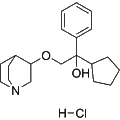
  • Penehyclidine hydrochloride
    Cat. No.
    A24149

    Penehyclidine hydrochloride

    Synonyms: Penequinine hydrochloride

    Penehyclidine hydrochloride (also known as Penequinine hydrochloride) is a selective anticholinergic agent that acts as an antagonist of muscarinic M1 and M3 receptors. It exerts anti-inflammatory effects by modulating immune signaling in lung tissue, notably through activation of the NF-κB pathway and inhibition of pro-inflammatory cytokine release. In preclinical studies, Penehyclidine hydrochloride has been shown to alleviate pulmonary inflammation in rat models of chronic obstructive pulmonary disease (COPD), particularly under conditions of mechanical ventilation. These properties suggest its potential utility in managing respiratory inflammatory conditions and improving outcomes in mechanically ventilated patients with COPD.

    5 mg
    $63.00
    10 mg
    $109.00
    All 4 sizes

1 Item

Added to your cart

View Cart Checkout

    Loading...