- Cat. No.
- A15508
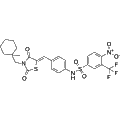
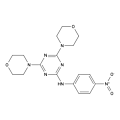
MHY1485
MHY1485 is a mTOR activator; inhibits the autophagic process by inhibition of fusion between autophagosomes and lysosomes leading to the accumulation of LC3II protein and enlarged autophagosomes.
Search by product name, CAS, target or catalog number. Press Down Arrow to reach product suggestions, Tab to move between links, and Escape to close suggestions.
Mechanistic target of rapamycin (mTOR) inhibitors act on a kinase that links nutrient signals to cell growth. In 1994 mTOR was identified as the mammalian protein targeted by rapamycin bound to its receptor. The kinase forms a nutrient-sensitive complex with raptor, known as mTOR complex 1 (mTORC1), and a second complex, mTOR complex 2 (mTORC2). Sirolimus and its derivative everolimus act through FK506-binding protein 12 (FKBP12) and mainly inhibit mTORC1. Catalytic-site inhibitors such as Torin 1 and AZD8055 block both complexes. With Torin 1, rapamycin-resistant functions of mTORC1 were revealed in 2009. Dual phosphoinositide 3-kinase (PI3K)/mTOR inhibitors such as dactolisib are also listed here.
MHY1485 is a mTOR activator; inhibits the autophagic process by inhibition of fusion between autophagosomes and lysosomes leading to the accumulation of LC3II protein and enlarged autophagosomes.
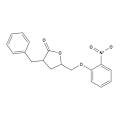
3BDO is a new mTOR activator which can also inhibit autophagy.
OSU-53 is an orally active AMPK activator and a direct mTOR inhibitor, exhibiting an EC50 of 0.3 μM. This compound induces autophagy by facilitating the conversion of LC3 I to LC3 II and plays a crucial role in modulating energy homeostasis by downregulating fatty acid biosynthesis while enhancing oxidative metabolism through upregulation of PGC1α and NRF-1. OSU-53 demonstrates antitumor activity across various cancer models, including breast and thyroid cancers, making it a valuable tool for cancer research and metabolic studies.
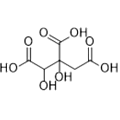
Hydroxycitric acid is an orally active compound that serves as a multifunctional activator of Nrf2, AMPK, and mTOR pathways. It enhances the expression of antioxidant enzymes, such as superoxide dismutase, and increases glutathione levels, thereby mitigating oxidative stress and ferroptosis, particularly in renal tubular epithelial cells. Additionally, hydroxycitric acid induces cell cycle arrest in cancer cells and promotes DNA fragmentation through modulation of the AMPK and mTORC1/S6K signaling pathways. This compound is valuable for research in oxidative stress, cancer biology, and metabolic regulation.
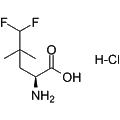
Synonyms: NV-5138 hydrochloride
Mefluleucine hydrochloride is a selective and orally active activator of mTORC1, functioning primarily through its interaction with Sestrin2. This leucine analog plays a critical role in neurobiology and has been utilized in research studies focused on antidepressant mechanisms. Its distinct properties make it a valuable tool for investigating mTORC1 signaling pathways and their implications in mood disorders.
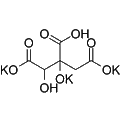
Hydroxycitric acid (tripotassium) is a potent activator of the Nrf2, AMPK, and mTOR signaling pathways. It enhances the expression of antioxidant enzymes, elevates glutathione levels, and inhibits ferroptosis, thereby providing protection against oxidative stress and promoting cellular health. This compound is actively engaged in regulating renal and pulmonary vascular functions and is also implicated in the induction of apoptosis in cancer cells through cell cycle arrest and DNA fragmentation. Its multi-target bioactivity makes it a valuable tool in research focused on oxidative stress, cancer biology, and metabolic regulation.