PI3K

Phosphoinositide 3-kinases (PI3Ks) are lipid kinases that catalyze the phosphorylation of phosphatidylinositol 4,5-bisphosphate (PI(4,5)P₂) to generate the second messenger phosphatidylinositol (3,4,5)-trisphosphate (PI(3,4,5)P₃). The production of PI(3,4,5)P₃ facilitates the recruitment and activation of pleckstrin homology (PH) domain–containing proteins at the plasma membrane, thereby initiating downstream signaling cascades essential for cellular proliferation, survival, and migration.

PI3Ks are divided into three major classes, among which Class I PI3Ks are most prominently implicated in cancer biology. Class I enzymes comprise four distinct catalytic isoforms: PI3Kα, PI3Kβ, PI3Kδ, and PI3Kγ.

Class IA PI3Ks, the subclass most commonly associated with oncogenic signaling, function as heterodimeric lipid kinases composed of a catalytic p110 subunit (p110α, p110β, or p110δ, encoded by PIK3CA, PIK3CB, and PIK3CD, respectively) and a regulatory p85 subunit.

The PI3K signaling pathway plays a central role in diverse biological processes, including cell cycle progression, cellular growth, survival, actin cytoskeletal rearrangement, migration, and intracellular vesicular trafficking.

Frequently Asked Questions
Phosphoinositide 3-kinases (PI3Ks) are a family of lipid kinases that phosphorylate phosphatidylinositol lipids to regulate cell growth, survival, metabolism, and immune signaling. PI3K activation leads to downstream AKT and mTOR pathway signaling. Aberrant PI3K signaling is frequently observed in cancer due to PIK3CA mutations, PTEN loss, or receptor tyrosine kinase activation.
Class I PI3Ks include four catalytic isoforms: PI3Kα (PIK3CA) PI3Kβ (PIK3CB) PI3Kδ (PIK3CD) PI3Kγ (PIK3CG) PI3Kα and β are broadly expressed, while PI3Kδ and γ are enriched in leukocytes and play critical roles in immune regulation. Isoform selectivity is an important consideration in drug development due to toxicity and immune effects.
PI3K inhibitors can be classified as: Pan-PI3K inhibitors Isoform-selective inhibitors (α, β, δ, γ) Dual PI3K/mTOR inhibitors Irreversible inhibitors Selectivity influences therapeutic window and toxicity profile.
While PI3K inhibitors block upstream lipid kinase activity, mTOR inhibitors act downstream at the level of mTORC1 or mTORC2. Dual PI3K/mTOR inhibitors target both nodes of the pathway and may achieve broader pathway suppression.

4 Items

  • PIK5-12d
    Cat. No.
    A23946

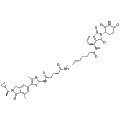
    PIK5-12d

    PIK5-12d is a potent PROTAC degrader targeting PIKfyve, with a DC₅₀ of 1.48 nM. It induces extensive cytoplasmic vacuolization, disrupts autophagic flux, and inhibits proliferation in multiple prostate cancer cell lines. PIK5-12d exhibits notable anti-tumor activity, supporting its use in cancer research.

    1 mg
    $225.00
    5 mg
    $480.00
    All 4 sizes
  • ARM165
    Cat. No.
    A23989

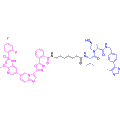
    ARM165

    ARM165 is a heterobifunctional PROTAC molecule that targets and degrades PIK3CG (PI3Kγ), effectively inhibiting the PI3Kγ-Akt signaling pathway. It exhibits potent antileukemic activity, suppressing the proliferation of acute myeloid leukemia (AML) cells with an IC₅₀ of less than 1 μM. ARM165 is a promising tool for investigating PI3Kγ-driven signaling and developing targeted therapies for leukemia.

    1 mg
    $450.00
    5 mg
    $1,350.00
    All 4 sizes
  • HL-8
    Cat. No.
    A25944

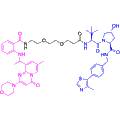
    HL-8

    HL-8 is a potent PI3Kα degrader that functions through the targeted protein degradation mechanism of PROTAC technology. By promoting the ubiquitination and subsequent degradation of PI3Kα, HL-8 effectively reduces phospho-AKT levels, thereby interfering with key signaling pathways associated with cancer progression. This compound exhibits significant anticancer activity against colon and cervical cancer, making it a valuable tool for research in cancer biology and therapeutic development.

    1 mg
    $540.00
    5 mg
    $1,165.00
    All 4 sizes
  • PROTAC PI3K/110β degrader-1
    Cat. No.
    A79849

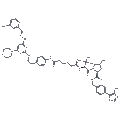
    PROTAC PI3K/110β degrader-1

    PROTAC PI3K/110β degrader-1 is a targeted protein degradation tool designed to selectively degrade the PI3K/110β protein. This reagent employs a PROTAC mechanism, linking an inhibitor of PI3K/110β with an E3 ligase ligand to facilitate ubiquitination and degradation. Its primary biological activity is to reduce levels of PI3K/110β, making it a valuable resource for studies exploring PI3K-related signaling pathways and their implications in cancer research and other diseases.

    Out of stock

    All 3 sizes

4 Items

Added to your cart

View Cart Checkout

    Loading...