PI3K

Phosphoinositide 3-kinases (PI3Ks) are lipid kinases that catalyze the phosphorylation of phosphatidylinositol 4,5-bisphosphate (PI(4,5)P₂) to generate the second messenger phosphatidylinositol (3,4,5)-trisphosphate (PI(3,4,5)P₃). The production of PI(3,4,5)P₃ facilitates the recruitment and activation of pleckstrin homology (PH) domain–containing proteins at the plasma membrane, thereby initiating downstream signaling cascades essential for cellular proliferation, survival, and migration.

PI3Ks are divided into three major classes, among which Class I PI3Ks are most prominently implicated in cancer biology. Class I enzymes comprise four distinct catalytic isoforms: PI3Kα, PI3Kβ, PI3Kδ, and PI3Kγ.

Class IA PI3Ks, the subclass most commonly associated with oncogenic signaling, function as heterodimeric lipid kinases composed of a catalytic p110 subunit (p110α, p110β, or p110δ, encoded by PIK3CA, PIK3CB, and PIK3CD, respectively) and a regulatory p85 subunit.

The PI3K signaling pathway plays a central role in diverse biological processes, including cell cycle progression, cellular growth, survival, actin cytoskeletal rearrangement, migration, and intracellular vesicular trafficking.

Frequently Asked Questions
Phosphoinositide 3-kinases (PI3Ks) are a family of lipid kinases that phosphorylate phosphatidylinositol lipids to regulate cell growth, survival, metabolism, and immune signaling. PI3K activation leads to downstream AKT and mTOR pathway signaling. Aberrant PI3K signaling is frequently observed in cancer due to PIK3CA mutations, PTEN loss, or receptor tyrosine kinase activation.
Class I PI3Ks include four catalytic isoforms: PI3Kα (PIK3CA) PI3Kβ (PIK3CB) PI3Kδ (PIK3CD) PI3Kγ (PIK3CG) PI3Kα and β are broadly expressed, while PI3Kδ and γ are enriched in leukocytes and play critical roles in immune regulation. Isoform selectivity is an important consideration in drug development due to toxicity and immune effects.
PI3K inhibitors can be classified as: Pan-PI3K inhibitors Isoform-selective inhibitors (α, β, δ, γ) Dual PI3K/mTOR inhibitors Irreversible inhibitors Selectivity influences therapeutic window and toxicity profile.
While PI3K inhibitors block upstream lipid kinase activity, mTOR inhibitors act downstream at the level of mTORC1 or mTORC2. Dual PI3K/mTOR inhibitors target both nodes of the pathway and may achieve broader pathway suppression.

1 Item

  • (-)-Latifolin
    Cat. No.
    A32981

    (-)-Latifolin

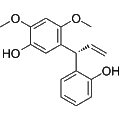
    (-)-Latifolin is a flavonoid that acts as an apoptotic inducer by specifically targeting the PI3K/AKT/mTOR/p70S6K signaling pathway. It demonstrates significant inhibition of cell proliferation in oral squamous cell carcinoma (OSCC) and exhibits anti-metastatic properties by obstructing cell migration, invasion, and adhesion through the inactivation of FAK/Src. Additionally, (-)-Latifolin suppresses autophagy-related protein expression and autophagosome formation while inhibiting necroptosis via dephosphorylation of key regulatory proteins such as RIP1, RIP3, and MLKL. This compound also shows potential therapeutic applications in anti-aging, anti-carcinogenic, anti-inflammatory, and cardioprotective research.

    1 mg
    $85.00
    5 mg
    $445.00
    All 2 sizes

1 Item

Added to your cart

View Cart Checkout

    Loading...