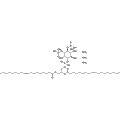
PI3K

Phosphoinositide 3-kinases (PI3Ks) are lipid kinases that catalyze the phosphorylation of phosphatidylinositol 4,5-bisphosphate (PI(4,5)P₂) to generate the second messenger phosphatidylinositol (3,4,5)-trisphosphate (PI(3,4,5)P₃). The production of PI(3,4,5)P₃ facilitates the recruitment and activation of pleckstrin homology (PH) domain–containing proteins at the plasma membrane, thereby initiating downstream signaling cascades essential for cellular proliferation, survival, and migration.

PI3Ks are divided into three major classes, among which Class I PI3Ks are most prominently implicated in cancer biology. Class I enzymes comprise four distinct catalytic isoforms: PI3Kα, PI3Kβ, PI3Kδ, and PI3Kγ.

Class IA PI3Ks, the subclass most commonly associated with oncogenic signaling, function as heterodimeric lipid kinases composed of a catalytic p110 subunit (p110α, p110β, or p110δ, encoded by PIK3CA, PIK3CB, and PIK3CD, respectively) and a regulatory p85 subunit.

The PI3K signaling pathway plays a central role in diverse biological processes, including cell cycle progression, cellular growth, survival, actin cytoskeletal rearrangement, migration, and intracellular vesicular trafficking.

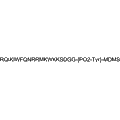
Frequently Asked Questions
Phosphoinositide 3-kinases (PI3Ks) are a family of lipid kinases that phosphorylate phosphatidylinositol lipids to regulate cell growth, survival, metabolism, and immune signaling. PI3K activation leads to downstream AKT and mTOR pathway signaling. Aberrant PI3K signaling is frequently observed in cancer due to PIK3CA mutations, PTEN loss, or receptor tyrosine kinase activation.
Class I PI3Ks include four catalytic isoforms: PI3Kα (PIK3CA) PI3Kβ (PIK3CB) PI3Kδ (PIK3CD) PI3Kγ (PIK3CG) PI3Kα and β are broadly expressed, while PI3Kδ and γ are enriched in leukocytes and play critical roles in immune regulation. Isoform selectivity is an important consideration in drug development due to toxicity and immune effects.
PI3K inhibitors can be classified as: Pan-PI3K inhibitors Isoform-selective inhibitors (α, β, δ, γ) Dual PI3K/mTOR inhibitors Irreversible inhibitors Selectivity influences therapeutic window and toxicity profile.
While PI3K inhibitors block upstream lipid kinase activity, mTOR inhibitors act downstream at the level of mTORC1 or mTORC2. Dual PI3K/mTOR inhibitors target both nodes of the pathway and may achieve broader pathway suppression.

10 Items

  • 740 Y-P
    Cat. No.
    A20138

    740 Y-P

    Synonyms: 740YPDGFR; PDGFR 740Y-P

    740 Y-P (740YPDGFR; PDGFR 740Y-P) is a potent and cell-permeable PI3K activator. 740 Y-P readily binds GST fusion proteins containing both the N- and C- terminal SH2 domains of p85 but fails to bind GST alone.

    1 mg
    $80.00
    2 mg
    $130.00
    All 6 sizes
  • YS-49
    Cat. No.
    A21198

    YS-49

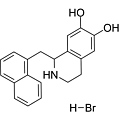
    YS-49 is a PI3K/Akt (a downstream target of RhoA) activator, to reduce RhoA/PTEN activation in the 3-methylcholanthrene-treated cells.

    1 mg
    $35.00
    2 mg
    $50.00
    All 9 sizes
  • UCL-TRO-1938
    Cat. No.
    A24628

    UCL-TRO-1938

    UCL-TRO-1938 is a potent allosteric activator of phosphoinositide 3-kinase alpha (PI3Kα), exhibiting an EC50 value of approximately 60 μM. This compound promotes cell proliferation and demonstrates cardioprotective effects against ischemia-reperfusion injury. Additionally, UCL-TRO-1938 enhances nerve regeneration following nerve crush, making it a valuable tool in neuroprotection and regenerative medicine research.

    5 mg
    $100.00
    10 mg
    $165.00
    All 6 sizes
  • PI3K/Akt/CREB activator 1
    Cat. No.
    A24641

    PI3K/Akt/CREB activator 1

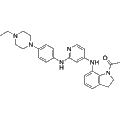
    PI3K/Akt/CREB activator 1 is a potent, orally active compound that stimulates the PI3K/Akt/CREB signaling pathway. This activator promotes neuronal proliferation, induces differentiation of Neuro-2a cells into neuron-like cells, and facilitates the axon-dendrite polarization in primary hippocampal neurons by upregulating brain-derived neurotrophic factor. It is particularly relevant for research into vascular dementia (VaD).

    2 mg
    $80.00
    5 mg
    $100.00
    All 6 sizes
  • Monomethyl lithospermate
    Cat. No.
    A25659

    Monomethyl lithospermate

    Synonyms: Lithospermic acid monomethyl ester

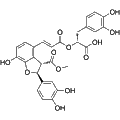
    Monomethyl lithospermate serves as a PI3K/AKT pathway activator, which is crucial for neuroprotection following nerve injury. This compound enhances the viability of SH-SY5Y neuroblastoma cells by preserving mitochondrial membrane potential and inhibiting apoptosis. Additionally, monomethyl lithospermate reduces oxidative stress in brain tissue of rats subjected to middle cerebral artery occlusion, demonstrating efficacy in mitigating nerve damage associated with ischemic stroke.

    1 mg
    $285.00
    5 mg
    $720.00
    All 2 sizes
  • Hydroxy celecoxib
    Cat. No.
    A25952

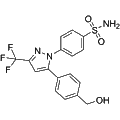
    Hydroxy celecoxib

    Hydroxy celecoxib is a derivative of Celecoxib that functions as a PI3K/Akt signaling activator, facilitating epithelial repair processes. Its activation of the PI3K/Akt pathway supports cellular survival and proliferation, making it a valuable tool for investigating mechanisms of tissue regeneration. Hydroxy celecoxib is particularly relevant in asthma research, where it may contribute to understanding airway epithelial function and repair.

    5 mg
    $60.00
    10 mg
    $95.00
    All 4 sizes
  • (-)-Latifolin
    Cat. No.
    A32981

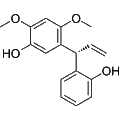
    (-)-Latifolin

    (-)-Latifolin is a flavonoid that acts as an apoptotic inducer by specifically targeting the PI3K/AKT/mTOR/p70S6K signaling pathway. It demonstrates significant inhibition of cell proliferation in oral squamous cell carcinoma (OSCC) and exhibits anti-metastatic properties by obstructing cell migration, invasion, and adhesion through the inactivation of FAK/Src. Additionally, (-)-Latifolin suppresses autophagy-related protein expression and autophagosome formation while inhibiting necroptosis via dephosphorylation of key regulatory proteins such as RIP1, RIP3, and MLKL. This compound also shows potential therapeutic applications in anti-aging, anti-carcinogenic, anti-inflammatory, and cardioprotective research.

    1 mg
    $85.00
    5 mg
    $445.00
    All 2 sizes
  • PI3K/AKT/ERK/CREB activator 1
    Cat. No.
    A36706

    PI3K/AKT/ERK/CREB activator 1

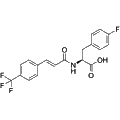
    PI3K/AKT/ERK/CREB Activator 1 is a small molecule that stimulates the PI3K/AKT/ERK/CREB signaling pathway. It enhances neuronal survival and proliferation, promoting the viability of damaged neurons and facilitating synapse formation. This compound also reduces neuroinflammation by decreasing pro-inflammatory cytokine levels, and it has shown potential in preserving synaptic structure and improving spatial memory in Alzheimer's disease models. PI3K/AKT/ERK/CREB Activator 1 is a valuable tool for research focused on neurodegenerative disorders, particularly Alzheimer's disease.

    Out of stock

    All 3 sizes
  • PI3K-IN-23
    Cat. No.
    A79866

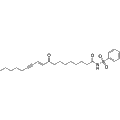
    PI3K-IN-23

    PI3K-IN-23 is a selective PI3K activator that enhances glucose uptake with an EC50 value of 7.00 μM. This compound serves as a versatile click chemistry reagent due to its alkyne functionality, enabling efficient copper-catalyzed azide-alkyne cycloaddition (CuAAc) with azide-containing molecules. Its applications extend to metabolic research and biochemical studies exploring PI3K pathways.

    Out of stock

    All 3 sizes
  • PI(3,4)P2 (18:1) (ammonium salt)
    Cat. No.
    A79895

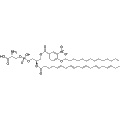
    PI(3,4)P2 (18:1) (ammonium salt)

    PI(3,4)P2 (18:1) ammonium salt is a potent activator of phosphatidylinositol 3-kinase (PI3K). This polyphosphorylated phosphatidylinositol effectively promotes the activation of AKT (protein kinase B), thereby influencing key cellular processes such as metabolism, growth, and survival. Additionally, PI(3,4)P2 (18:1) ammonium salt plays a crucial role in regulating cytoskeletal dynamics, impacting cell morphology and movement. It is applicable in studies related to cancer, diabetes, and cardiovascular disease.

    0.1 mg
    $415.00
    All 1 sizes

10 Items

Added to your cart

View Cart Checkout

    Loading...