Proteasome

Proteasome inhibitors block the 26S proteasome, the protease complex that degrades ubiquitin-tagged proteins. Its 20S core carries caspase-like, trypsin-like and chymotrypsin-like active sites on β subunits with an N-terminal threonine. In 1994, peptide aldehydes including MG-132 were shown to block degradation of most cell proteins. The same inhibitors prevented generation of peptides for major histocompatibility complex (MHC) class I molecules. Lactacystin, a Streptomyces metabolite, modifies the catalytic threonine of specific subunits. Later chemotypes include the boronates bortezomib and ixazomib and the epoxyketones carfilzomib and epoxomicin, which bind irreversibly. ONX-0914 prefers low molecular mass polypeptide 7 (LMP7), a subunit of the immunoproteasome.

1 Item

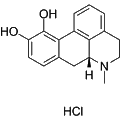
  • Apomorphine hydrochloride
    Cat. No.
    A46016

    Apomorphine hydrochloride

    Synonyms: (-)-Apomorphine hydrochloride

    Apomorphine hydrochloride is a potent dopamine receptor agonist and a known activator of the 20S proteasome. It enhances proteasomal and insulin-degrading enzyme activities, facilitating the degradation of intracellular amyloid-beta (Aβ), phosphorylated tau (p-tau), and p53, thereby reducing their levels in neuronal cells. This compound is particularly relevant for research focused on neurodegenerative disorders such as Alzheimer's disease and psychiatric conditions including schizophrenia.

    1 mg
    $300.00
    5 mg
    $960.00
    All 2 sizes

1 Item

Added to your cart

View Cart Checkout

    Loading...