
- Cat. No.
- A13441
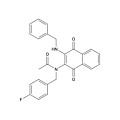
RIPGBM
RIPGBM is a selective inducer of apoptosis in glioblastoma multiforme (GBM) cancer stem cells (CSCs) with an EC50 of ??500 nM.
In stock
View Details
Search by product name, CAS, target or catalog number. Press Down Arrow to reach product suggestions, Tab to move between links, and Escape to close suggestions.
Apoptosis related compounds affect cell survival indirectly, through metabolism, stress responses or signaling. Unlike the target categories of the Apoptosis section, this mixed set groups compounds by a reported link to cell death rather than by one mechanism. Sodium oxamate, a pyruvate analog, inhibits lactate dehydrogenase (LDH) and is used to study glycolytic metabolism. Zinc protoporphyrin inhibits heme oxygenase 1 (HO-1), an enzyme induced by oxidative stress. Sulforaphane, an isothiocyanate from cruciferous vegetables, activates nuclear factor erythroid 2-related factor 2 (Nrf2) and has been reported to inhibit histone deacetylases. CASIN inhibits the small GTPase cell division cycle 42 (Cdc42). Drugs such as flurbiprofen and metronidazole are also included, so the list is broad.
RIPGBM is a selective inducer of apoptosis in glioblastoma multiforme (GBM) cancer stem cells (CSCs) with an EC50 of ??500 nM.
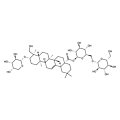
Asperosaponin VI, A saponin component from Dipsacus asper wall, induces osteoblast differentiation through BMP?\2/p38 and ERK1/2 pathway. Asperosaponin ?? inhibits apoptosis in hypoxia-induced cardiomyocyte by increasing the Bcl-2/Bax ratio and decreasing active caspase-3 expression, as well as enhancing of p-Akt and p-CREB.
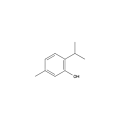
Synonyms: NSC 11215
Thymol is a phenol obtained from thyme oil or other volatile oils used as a stabilizer in pharmaceutical preparations, and as an antiseptic (antibacterial or antifungal) agent. It was formerly used as a vermifuge.
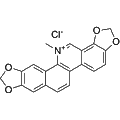
Synonyms: Sanguinarin chloride; Sanguinarium chloride; Pseudochelerythrine chloride
Sanguinarine chloride is a benzophenanthridine alkaloid that functions as an apoptosis inducer primarily through the generation of reactive oxygen species (ROS). This compound is known to activate key signaling pathways, specifically JNK and NF-κB, facilitating programmed cell death. Sanguinarine chloride is widely utilized in cancer research and studies investigating apoptotic mechanisms.
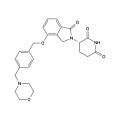
Iberdomide (CC-220) is a cereblon (CRBN) modulator with an IC50 of 60 nM.
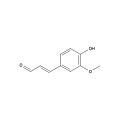
Synonyms: Ferulaldehyde
Coniferaldehyde (Ferulaldehyde), isolated from the ethanol extract of Vitex rotundifolia fruits, is an effective inducer of heme oxygenase-1 (HO-1).
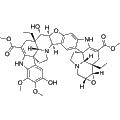
Conophylline is a vinca alkaloid derived from the leaves of the tropical plant Ervatamia microphylla. This compound functions as a differentiation inducer for pancreatic cells and demonstrates potent biological activity by suppressing hepatic stellate cells (HSC) while inducing apoptosis. It is of particular interest in research focused on pancreatic differentiation and the modulation of liver fibrosis.
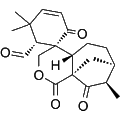
epi-Eriocalyxin A is a diterpenoid compound that serves as an apoptosis inducer in colon cancer cells. It effectively inhibits the activation of ERK1/2 and JNK pathways, leading to the suppression of Bcl-2 expression. This compound is valuable for research focused on cancer treatment and the mechanisms of apoptosis.