- Cat. No.
- A15348
MIRA-1
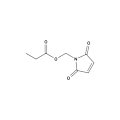
MIRA-1 restores wild-type conformation, function and DNA binding activity to mutant p53. Induces p53 transcriptional transactivation of p21, MDM2 and PUMA.
Search by product name, CAS, target or catalog number. Press Down Arrow to reach product suggestions, Tab to move between links, and Escape to close suggestions.
p53 activators and inhibitors act on the tumor suppressor p53, a transcription factor activated by cellular stress. In unstressed cells the ubiquitin ligase mouse double minute 2 (MDM2) keeps p53 levels low by promoting its degradation. RG7112 blocks the p53-MDM2 interaction, and SJ 172550 targets the related protein mouse double minute 4 (MDM4, also called MDMX). RITA binds p53 itself, while tenovin-1 and tenovin-6 raise cellular p53 levels. Tenovin-6 also inhibits the deacetylases sirtuin 1 and sirtuin 2 (SIRT1, SIRT2). Pifithrin-α hydrobromide works the other way, inhibiting p53-dependent transcription in cells exposed to genotoxic stress. Further compounds directed at MDM2 are listed in the neighboring MDM2 category.
MIRA-1 restores wild-type conformation, function and DNA binding activity to mutant p53. Induces p53 transcriptional transactivation of p21, MDM2 and PUMA.
Synonyms: PC14586
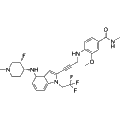
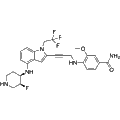
Rezatapopt (PC14586) is a small-molecule ligand that specifically targets the mutated TP53 protein, particularly the Y220C variant. By binding to a unique pocket formed by this mutation, Rezatapopt restores the structural integrity and tumor suppressor functions of p53. This compound has shown promising antitumor activity, leading to tumor inhibition and regression in mouse models with established human tumor xenografts featuring the TP53 Y220C mutation, making it a valuable tool for cancer research targeting p53 dysfunction.
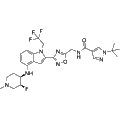
Mutant p53 modulator-1 is a targeted modulator of mutant p53 protein. It exhibits potential to inhibit the progression of cancers harboring p53 mutations, making it a valuable tool for cancer research. This compound may aid in the development of therapeutic strategies aimed at restoring p53 function in tumor cells, thereby providing insights into the treatment of p53-related malignancies.
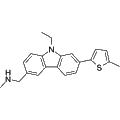
PK9327 is a small-molecule modulator that targets the MDM2-p53 interaction, specifically stabilizing mutant p53 proteins that harbor cavity-creating mutations. By enhancing the stability of these mutant forms, PK9327 has the potential to restore p53 functionality and promote apoptotic signaling in cancer cells. This reagent is valuable for research applications focused on cancer therapeutics and the exploration of p53 pathway dynamics in malignancies.
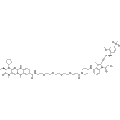
p53-Y220C/PLK1 modulator-1 is a novel dual modulator targeting the p53-Y220C mutation and Polo-like kinase 1 (PLK1). This compound exhibits significant biological activity in cancer research, providing a potential therapeutic avenue for tumors harboring the p53-Y220C alteration. Its application in cellular and molecular studies can facilitate the exploration of p53-mediated pathways and PLK1 functionality in oncogenesis.
Out of stock
All 3 sizes
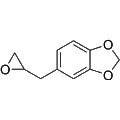
Safrole oxide is a p53 modulator that enhances the expression of the p53 tumor suppressor protein, facilitating cell cycle arrest and promoting apoptosis. This compound effectively induces apoptosis in lung cancer cells while avoiding necrotic cell death. Safrole oxide is valuable for research focused on lung cancer mechanisms and therapeutic strategies.
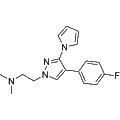
Mutant p53 Modulator-2 (Compound 1988) selectively targets and restores the function of mutant p53 proteins, facilitating the reactivation of tumor suppressor activity. This compound has demonstrated significant biological activity in promoting cell cycle arrest and apoptosis in cancer cells harboring p53 mutations. It is valuable for research applications focused on cancer therapeutics and understanding the role of p53 in tumorigenesis.
Out of stock
All 3 sizes
PK7242 is a potent inducer of mutant p53 reactivation, specifically targeting the p53-Y220C variant in cancer cells. This compound promotes growth inhibition, triggers cell-cycle arrest, and initiates apoptosis in tumor cells harboring the Y220C mutation. PK7242 is a valuable tool for investigating therapeutic strategies aimed at targeting p53 deficiencies in cancer research.
Out of stock
All 3 sizes