TNF-α

Tumor necrosis factor alpha (TNF-α) inhibitors reduce the production or signaling of a central inflammatory cytokine. In 1975 an endotoxin-induced serum factor that causes necrosis of tumors was described and named tumor necrosis factor. Cloning of human TNF in 1984 revealed a precursor related to lymphotoxin. Through its two receptors, TNF-α activates nuclear factor kappa B (NF-κB) and cell death pathways. Etanercept is a soluble receptor fusion protein that binds the cytokine, and C 87 is a small-molecule TNF-α inhibitor. In 1991 thalidomide was shown to inhibit TNF-α production by stimulated human monocytes, and its analogs lenalidomide and pomalidomide are also listed. Pathway compounds include the NF-κB inhibitor QNZ and necrostatin-1, an inhibitor of receptor-interacting protein kinase 1 (RIPK1).

2 Items

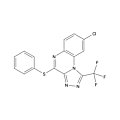
  • R-7050
    Cat. No.
    A19783

    R-7050

    Synonyms: TNF-α Antagonist III

    R-7050 (TNF-α Antagonist III) is a tumor necrosis factor receptor (TNFR) antagonist with greater selectivity toward TNFα.

    2 mg
    $30.00
    5 mg
    $55.00
    All 8 sizes
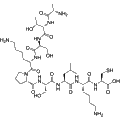
  • Hydrostatin-TL1
    Cat. No.
    A25551

    Hydrostatin-TL1

    Synonyms: H-TL1

    Hydrostatin-TL1 is a nine-amino-acid peptide that serves as a TNF-α antagonist. By competitively inhibiting the interaction between TNF-α and its receptor TNFR1, Hydrostatin-TL1 reduces TNF-α-mediated cytotoxicity and inflammation. This peptide is valuable for research into TNF-α-associated inflammatory diseases, including rheumatoid arthritis, osteoporosis, and inflammatory bowel disease (IBD).

    Out of stock

    All 3 sizes

2 Items

Added to your cart

View Cart Checkout

    Loading...