- Cat. No.
- A19783
R-7050
Synonyms: TNF-α Antagonist III
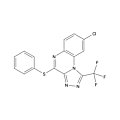
R-7050 (TNF-α Antagonist III) is a tumor necrosis factor receptor (TNFR) antagonist with greater selectivity toward TNFα.
Search by product name, CAS, target or catalog number. Press Down Arrow to reach product suggestions, Tab to move between links, and Escape to close suggestions.
Tumor necrosis factor alpha (TNF-α) inhibitors reduce the production or signaling of a central inflammatory cytokine. In 1975 an endotoxin-induced serum factor that causes necrosis of tumors was described and named tumor necrosis factor. Cloning of human TNF in 1984 revealed a precursor related to lymphotoxin. Through its two receptors, TNF-α activates nuclear factor kappa B (NF-κB) and cell death pathways. Etanercept is a soluble receptor fusion protein that binds the cytokine, and C 87 is a small-molecule TNF-α inhibitor. In 1991 thalidomide was shown to inhibit TNF-α production by stimulated human monocytes, and its analogs lenalidomide and pomalidomide are also listed. Pathway compounds include the NF-κB inhibitor QNZ and necrostatin-1, an inhibitor of receptor-interacting protein kinase 1 (RIPK1).
Synonyms: TNF-α Antagonist III
R-7050 (TNF-α Antagonist III) is a tumor necrosis factor receptor (TNFR) antagonist with greater selectivity toward TNFα.
Synonyms: H-TL1
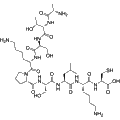
Hydrostatin-TL1 is a nine-amino-acid peptide that serves as a TNF-α antagonist. By competitively inhibiting the interaction between TNF-α and its receptor TNFR1, Hydrostatin-TL1 reduces TNF-α-mediated cytotoxicity and inflammation. This peptide is valuable for research into TNF-α-associated inflammatory diseases, including rheumatoid arthritis, osteoporosis, and inflammatory bowel disease (IBD).
Out of stock
All 3 sizes
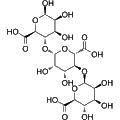
D-Trimannuronic acid, a TNF receptor activator derived from alginate oligomers in seaweed, stimulates the secretion of TNF-α in mouse macrophage cell lines. This compound is valuable in research focused on inflammatory responses, pain mechanisms, and vascular dementia. Its unique biological activity provides insights into immune modulation and related therapeutic areas.
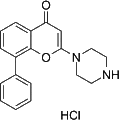
LY 303511 hydrochloride is a structural analogue of LY294002 and acts as a TNF receptor activator. It enhances the sensitivity of SHEP-1 neuroblastoma cells to TRAIL, making it a valuable tool for investigating apoptosis mechanisms in cancer research. Additionally, LY 303511 reversibly blocks potassium currents in MIN6 insulinoma cells with an IC50 value of 64.6 ± 9.1 μM, facilitating studies in insulin secretion and pancreatic function.